
Resort Glamping.com
Nationwide (Hokkaido, Tohoku, Kanto, Koshinetsu, Kansai, Tokai, Chugoku, Shikoku, Kyushu, Okinawa)
October 9, 2026
The average winter temperature in Fukuoka City is about 7°C, with the coldest month of January having an average minimum temperature of about 3.5°C. While it occasionally snows in the lowlands, it rarely accumulates. For a truly spectacular snowy landscape, mountainous areas like Mount Hikosan are recommended. In winter in Fukuoka, you can enjoy seasonal delicacies such as oysters and "Amaou" strawberries, as well as the kotatsu boats of Yanagawa. This article summarizes Fukuoka's unique winter tourist spots and recommended accommodations for winter.
table of contents
Fukuoka has a relatively mild climate, and winters are slightly warmer than in Tokyo. However, the sea breeze blowing from the Genkai Sea to the north can make the perceived temperature feel lower than the actual temperature. The following are the average climate values at the Fukuoka Regional Meteorological Observatory's observation points.
| Month | Average maximum temperature (°C) | Average temperature (°C) | Average minimum temperature (°C) |
|---|---|---|---|
| April | 12.6 | 8.9 | 5.6 |
| April | 9.9 | 6.6 | 3.5 |
| April | 11.1 | 7.4 | 4.1 |
Data source: Normal climate values for Fukuoka (compiled based on data from the Japan Meteorological Agency)https://weather.time-j.net/Climate/Chart/fukuoka
Snow occasionally falls in Fukuoka City during the winter. It often snows during cold snaps, especially from late January to early February, but the snow usually melts quickly after hitting the ground, so it doesn't accumulate very often. If you want to enjoy a full-fledged snowscape, the mountainous areas in southeastern Fukuoka Prefecture are recommended. Mount Hiko is one of Fukuoka's representative winter snowscape spots, and when the cold is severe, you can sometimes see frost-covered trees in the mountains.
Address: Hikosan, Soeda-machi, Tagawa-gun, Fukuoka Prefecture
Phone: 0947-82-1236
Official site:https://www.crossroadfukuoka.jp/tw/spot/11612
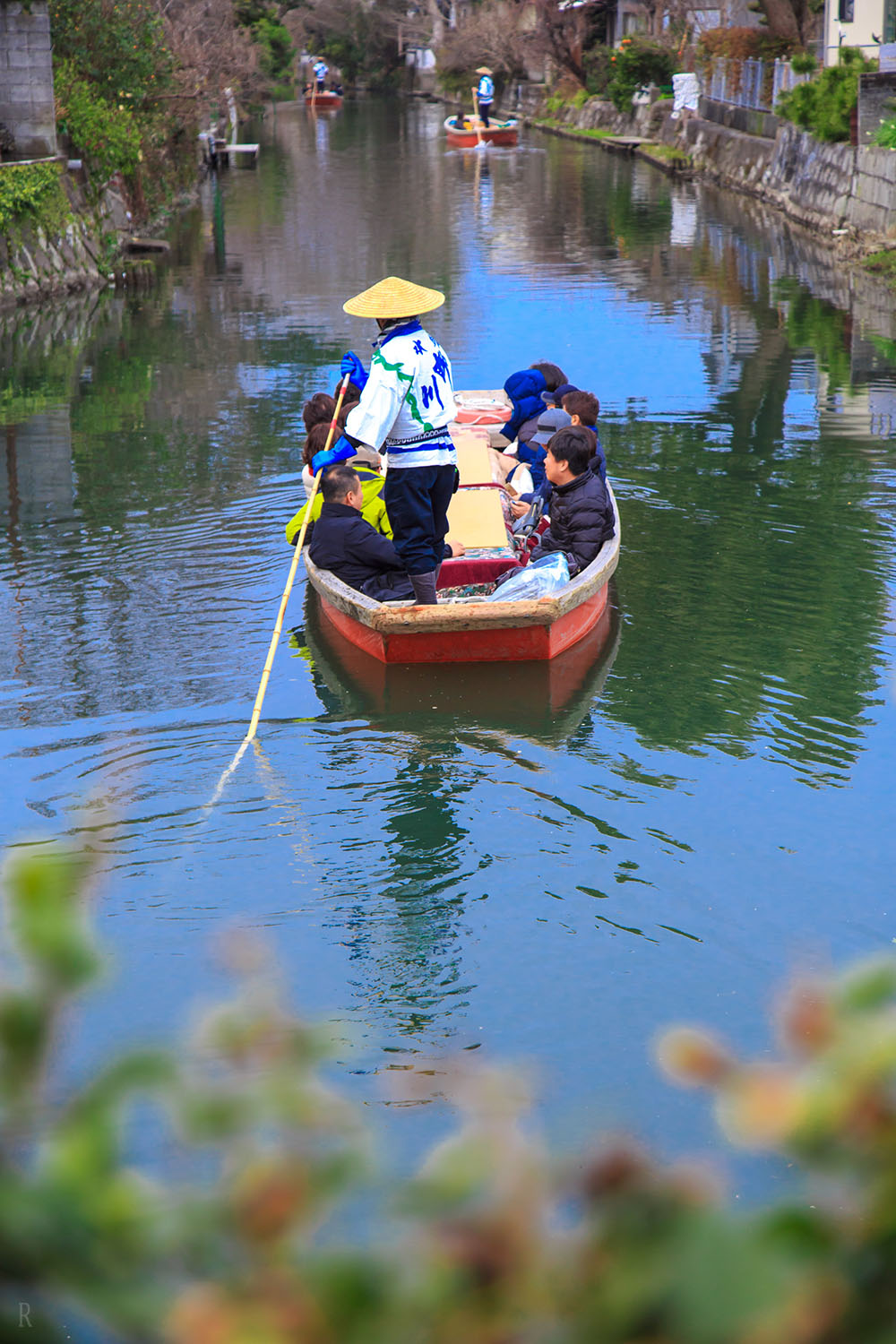
In winter, Yanagawa's river cruises feature "kotatsu boats" equipped with a kotatsu (heated table) and a brazier. It's a unique winter experience where you can relax in the warmth of a kotatsu, listen to the boatman's songs, and slowly enjoy the scenery of Yanagawa, a town known for its waterways. The operating period is typically from December 1st to the end of February of the following year. Adult fares range from approximately 1,800 to 2,000 yen, depending on the operating company. In mid-February, the canals are drained and cleaned, which may shorten the cruise route, so be sure to check this when planning your trip.
Official site:https://www.fukuoka-now.com/en/event/yanagawakotatsubune25/
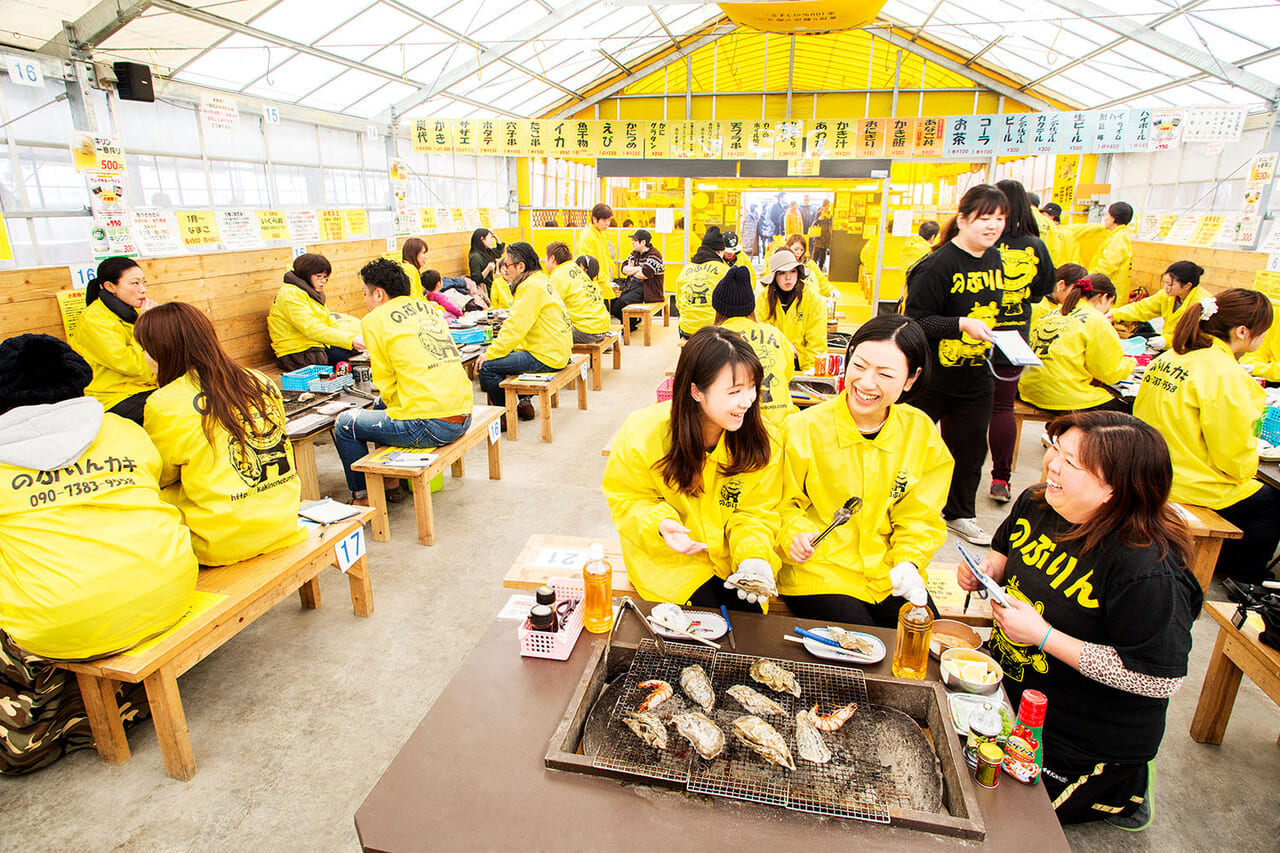
In Itoshima, easily accessible from Fukuoka City, oyster huts pop up around the fishing port during the winter months. The appeal lies in being able to grill and enjoy freshly harvested oysters right there on the spot. The season typically runs from November to March. Weekends can get very crowded, so it's recommended to make reservations in advance at establishments that accept them, or to visit earlier in the day. Most oyster huts close around 3 PM.
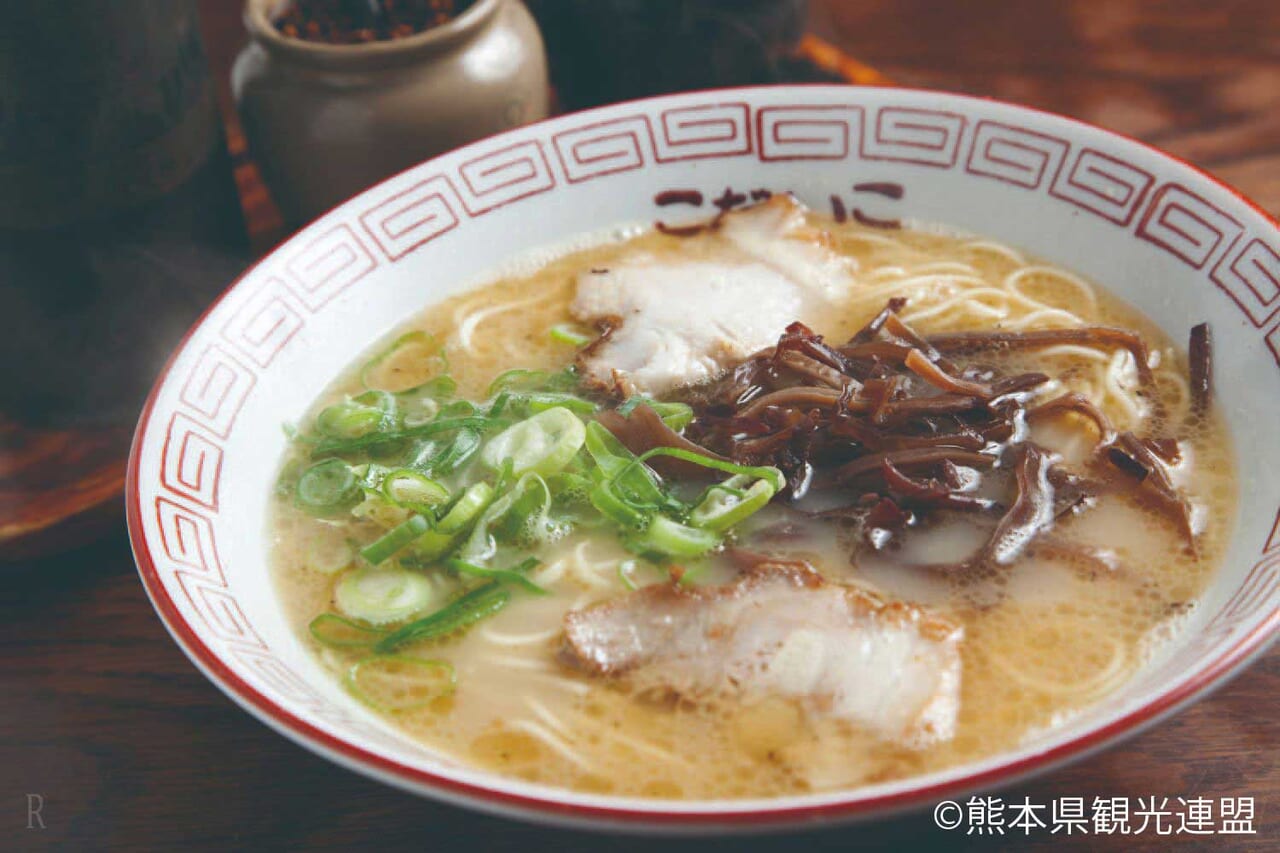
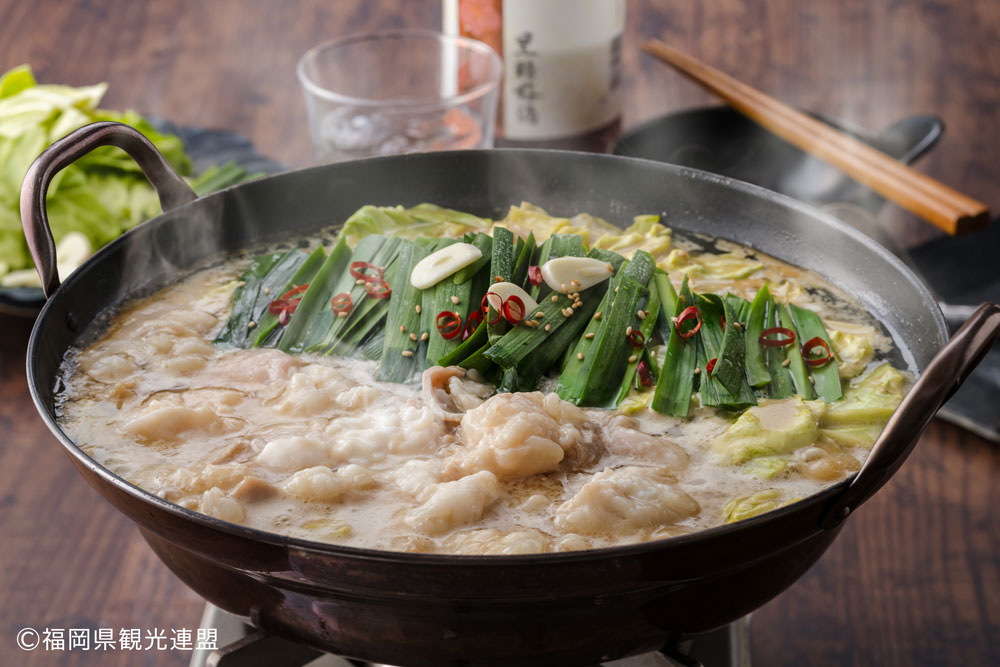
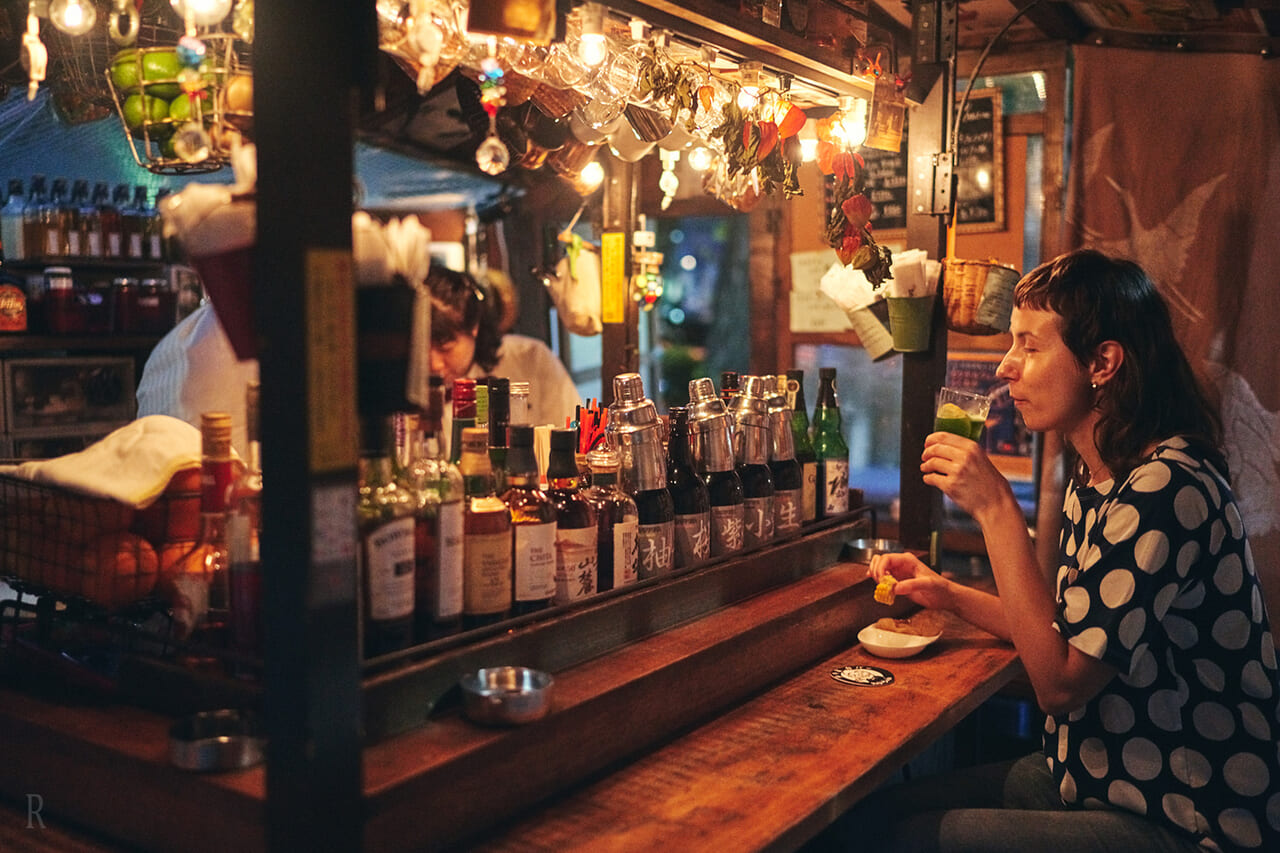
In Fukuoka, during the winter, food stalls use transparent plastic curtains to block the wind, allowing customers to enjoy their meals in a warm and cozy space. Currently, there are about 100 food stalls mainly in the three areas of Tenjin, Nakasu, and Nagahama, and they begin operating sequentially from around 6 PM. Enjoying piping hot tonkotsu ramen or motsunabe (offal hot pot) on a chilly Fukuoka night is a unique winter experience.
Official site:https://yokanavi.com/
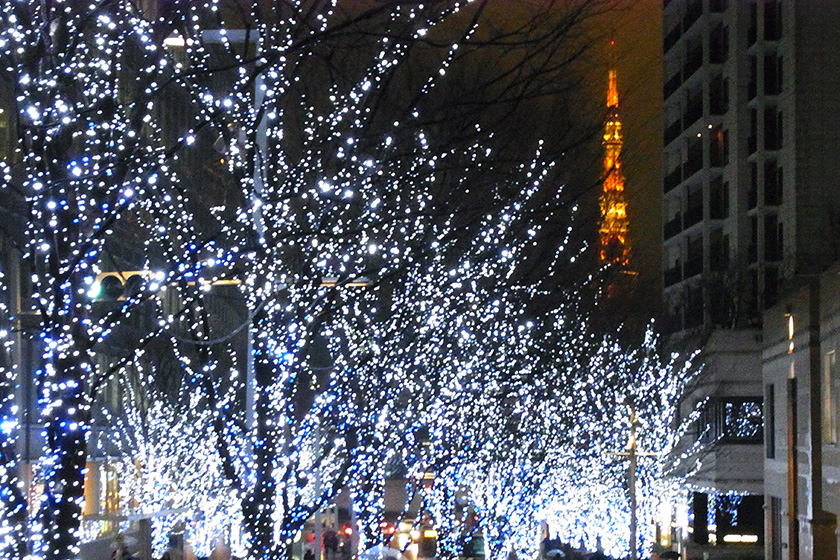
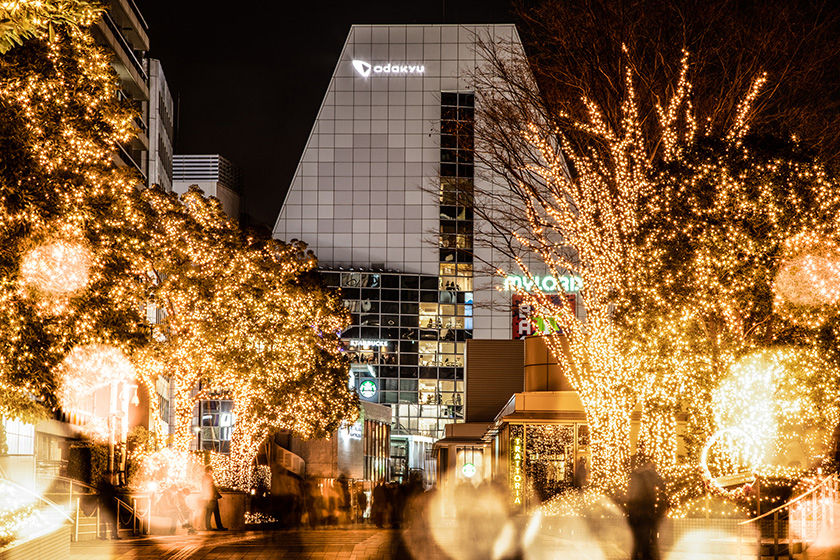
Every winter, large-scale illumination events are held around Tenjin and Hakata. Typically, the illumination event at the Step Garden in Acros Fukuoka runs from mid-November to mid-January, and in the past, a temporary outdoor ice skating rink has been set up around Fukuoka Tower. Since the dates and event details vary from year to year, be sure to check official information before you go.
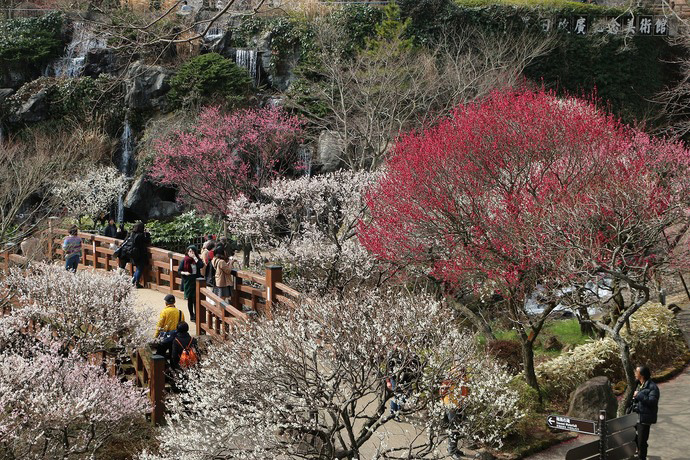
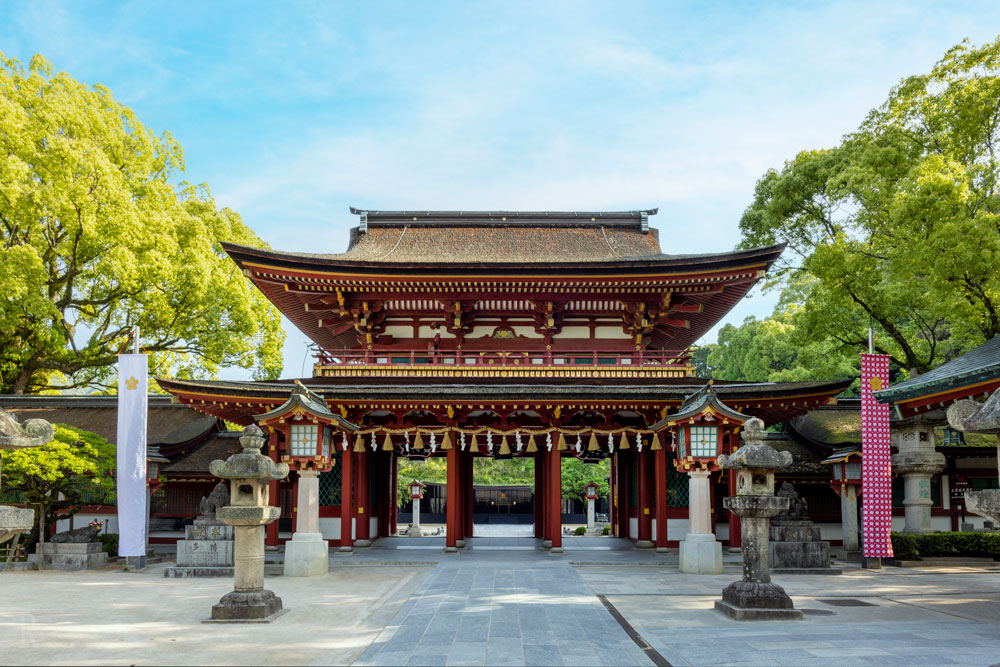
February is plum blossom season in Dazaifu. Plum blossoms begin to bloom one after another on the grounds of Dazaifu Tenmangu Shrine, and along with the famous "Umegae Mochi" (plum blossom rice cakes), you can feel the end of winter and the arrival of spring. It can be accessed in about 30 minutes by Nishitetsu train from Tenjin.

Winter is the peak season for "Amaou," a representative brand of strawberries from Fukuoka. Many sweets shops in Fukuoka City will be offering strawberry parfaits and other seasonal sweets. If you want to enjoy fruit picking, we recommend trying strawberry picking at a tourist farm in the suburbs.

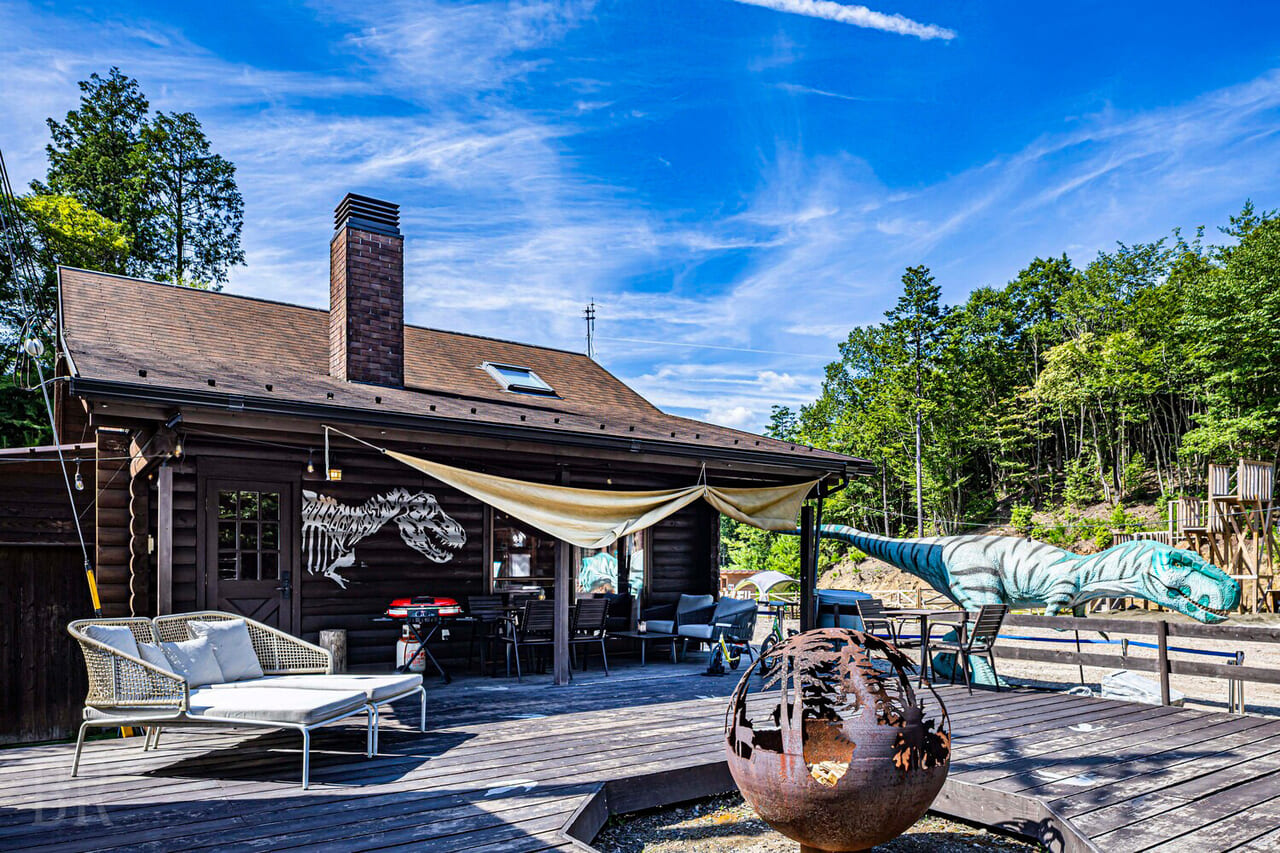
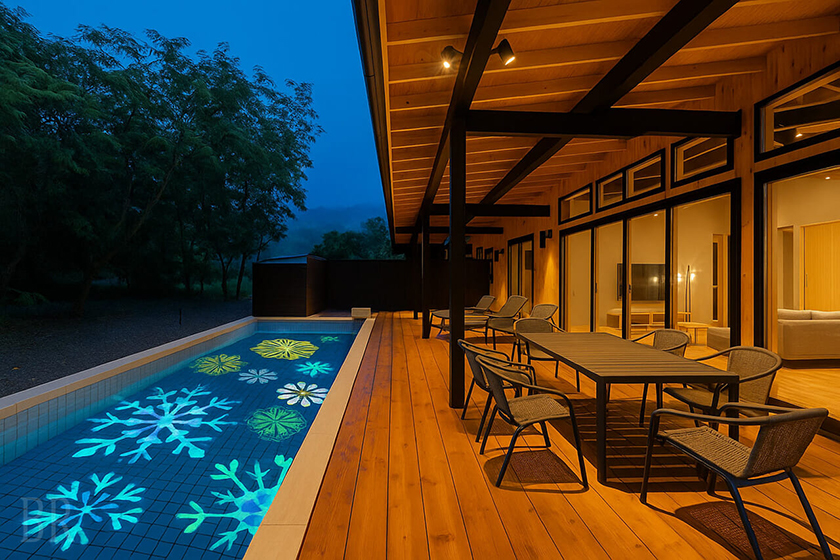
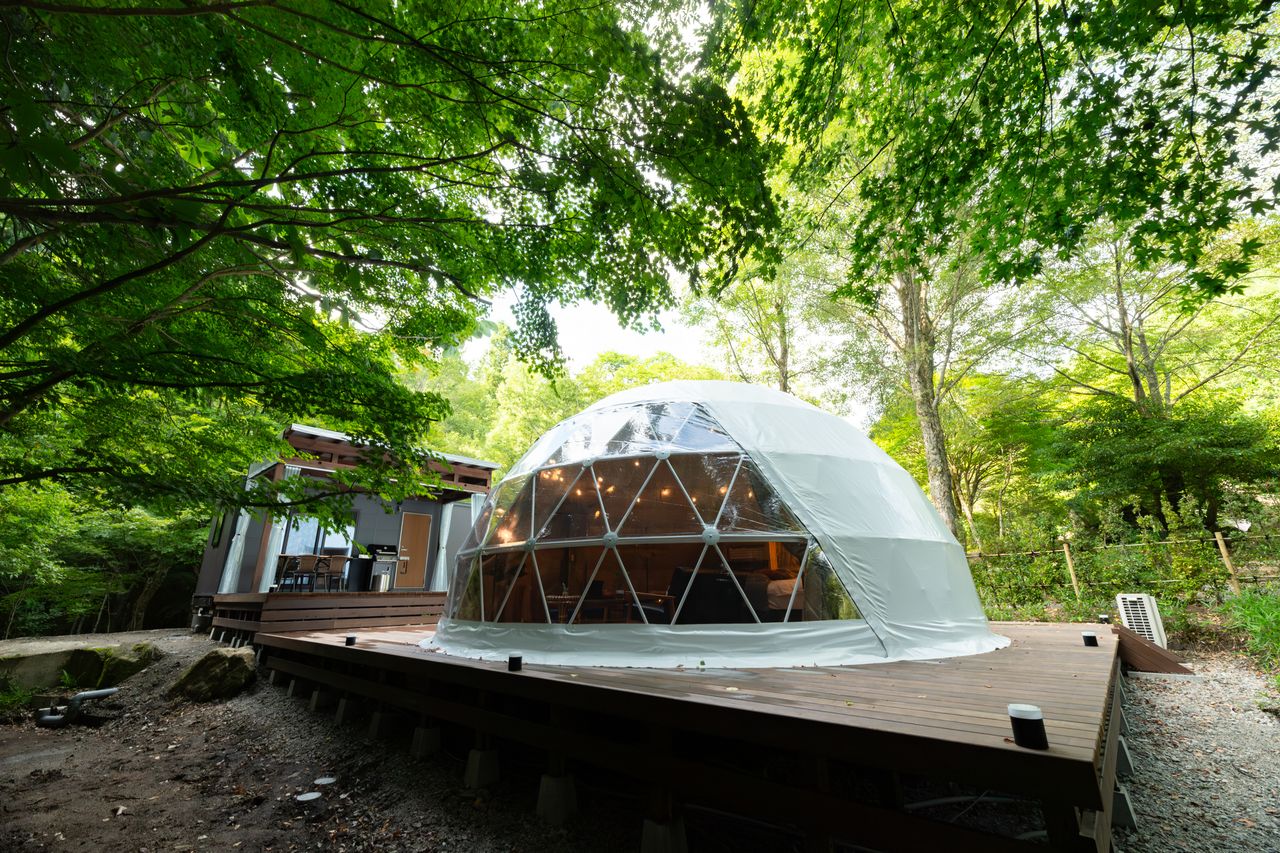
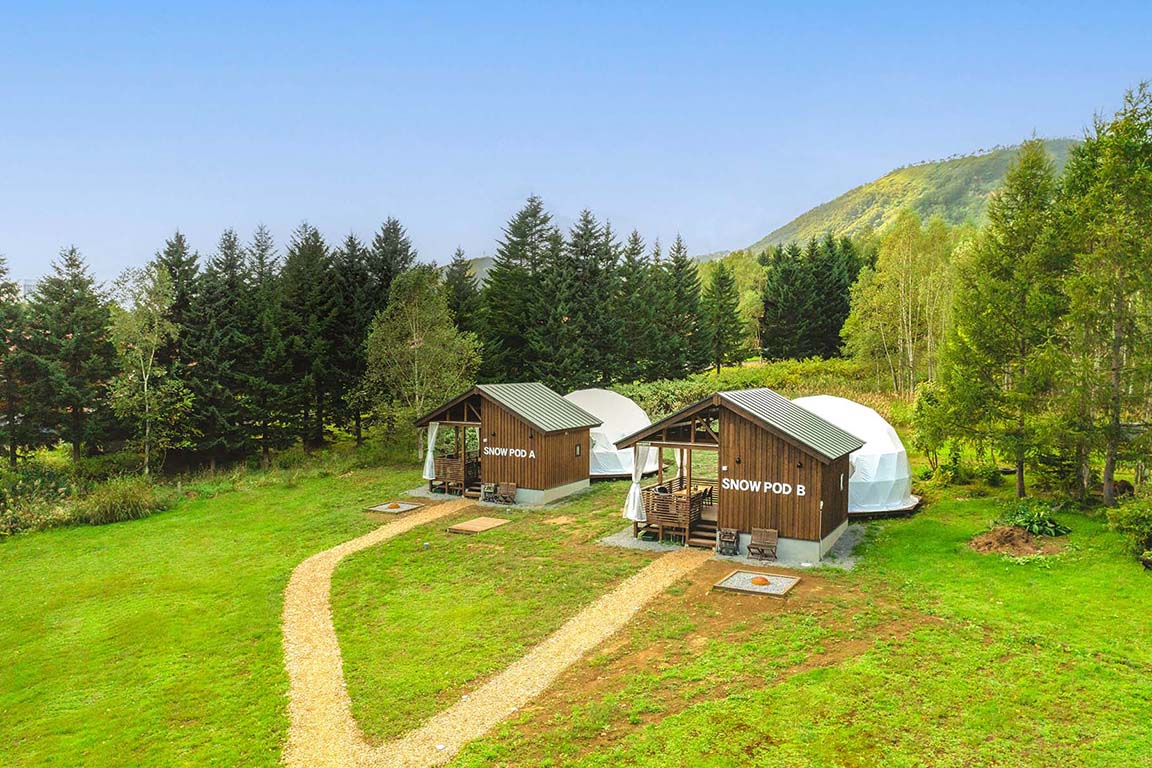
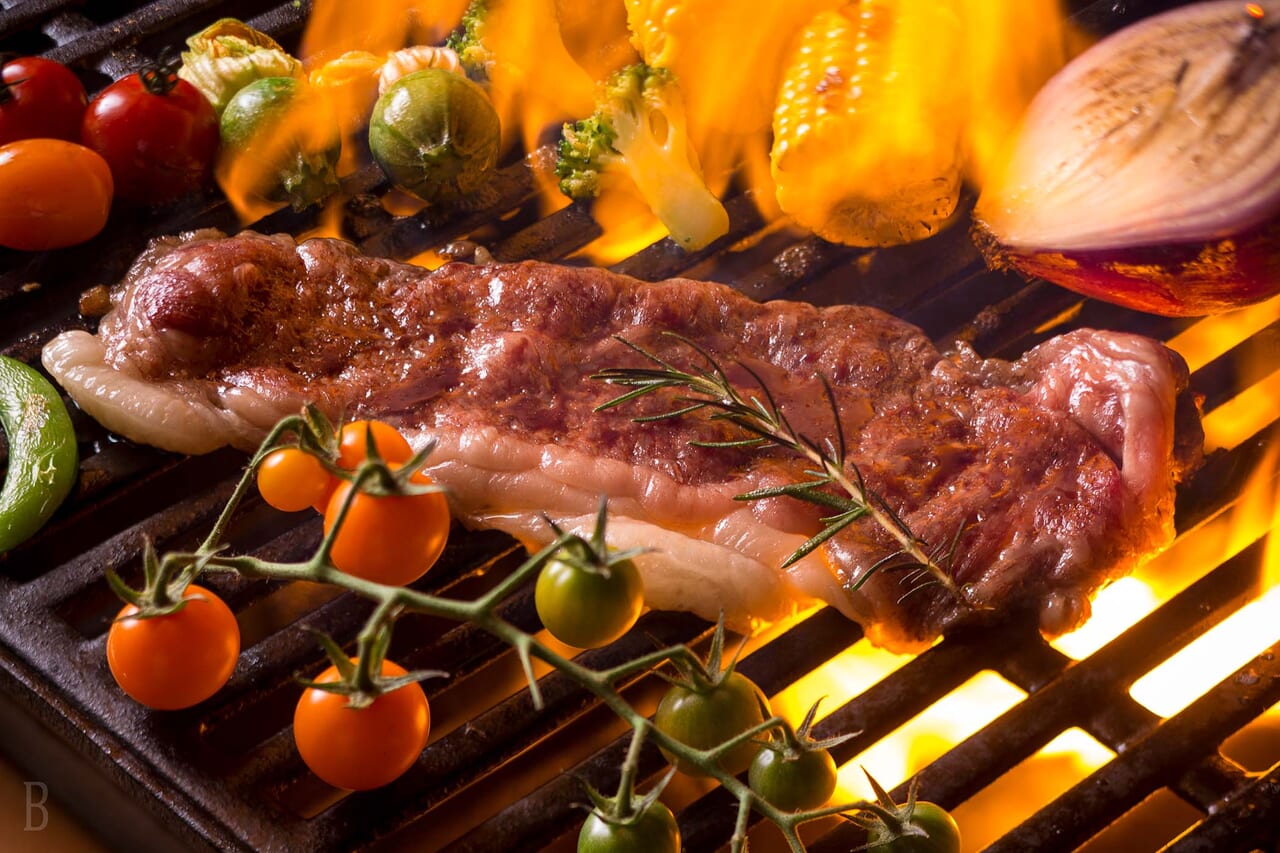
Located on a hill in Yoshii Hyakunen Park, about an hour's drive from Fukuoka city, this glamping facility offers breathtaking views. You can choose from three different types of glamping tents to suit your preferred style. For dinner, you can enjoy dishes such as fragrant smoked pork ribs, hearty thick-cut pork steaks, and Spanish-style stews with colorful tomatoes and garlic.
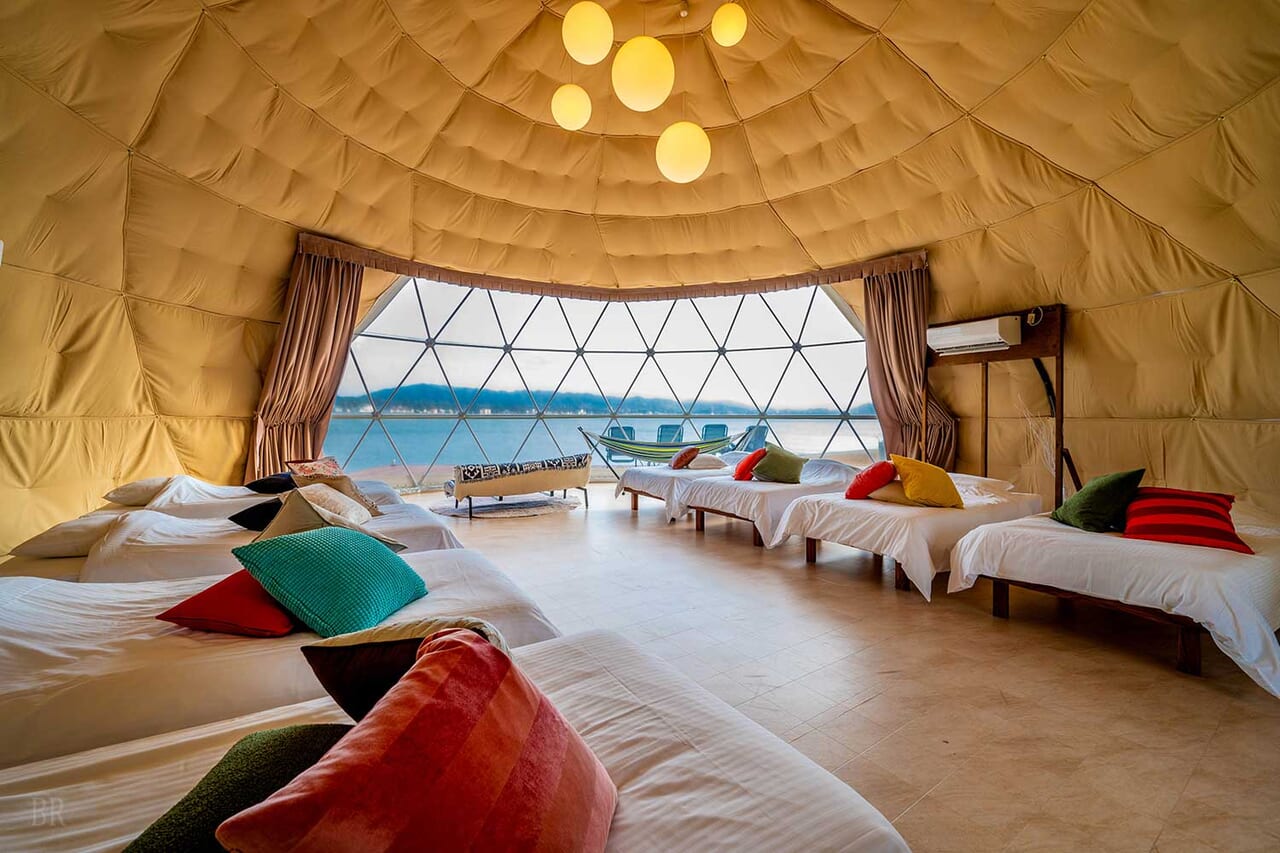
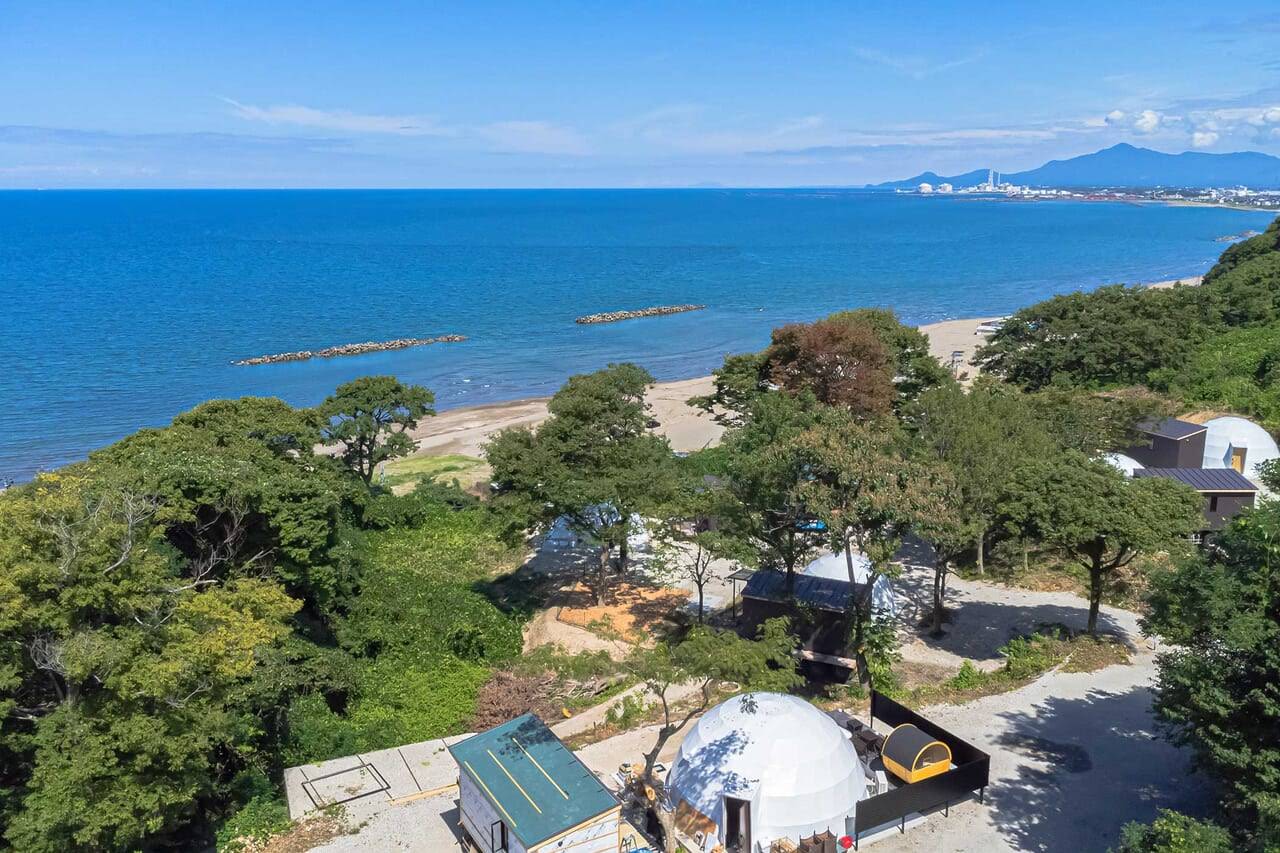
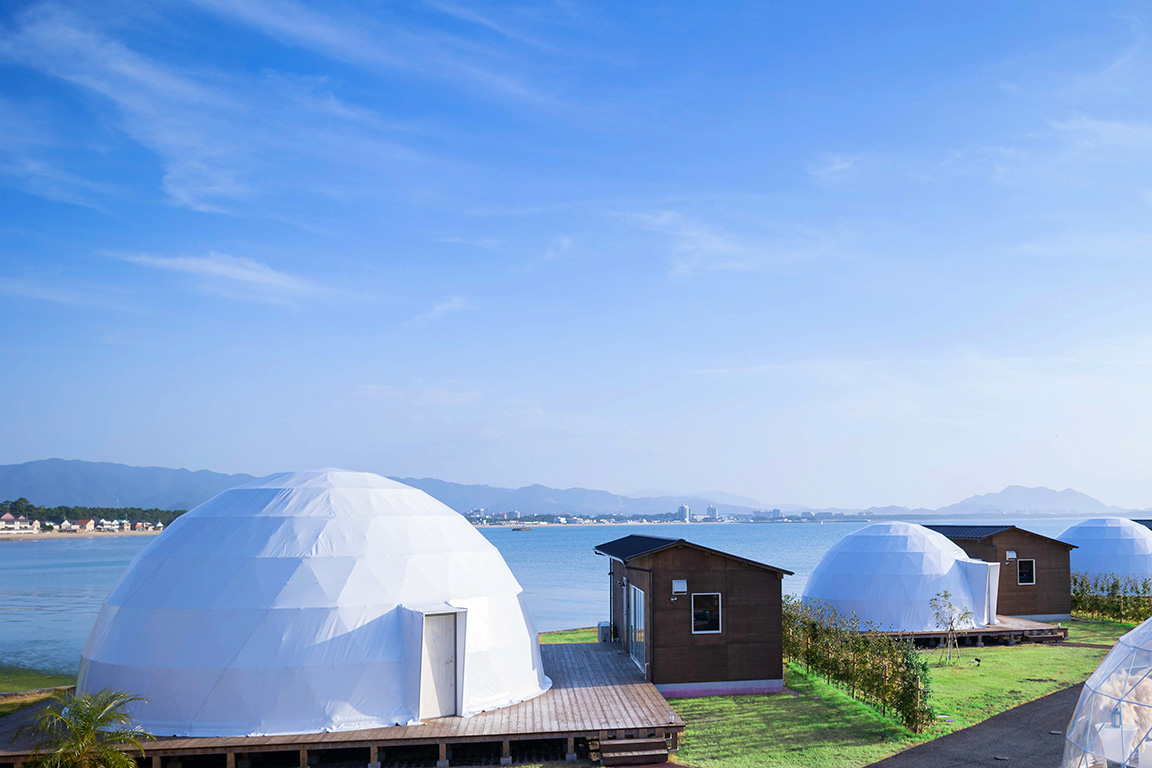
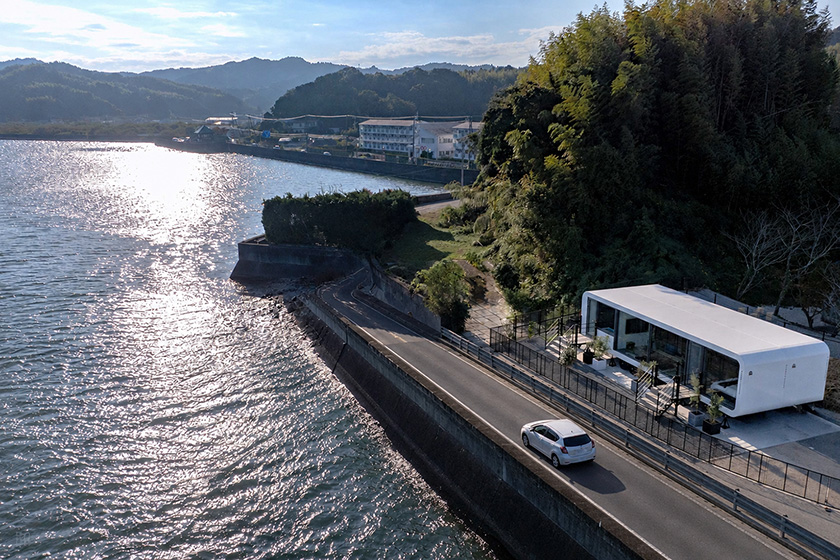
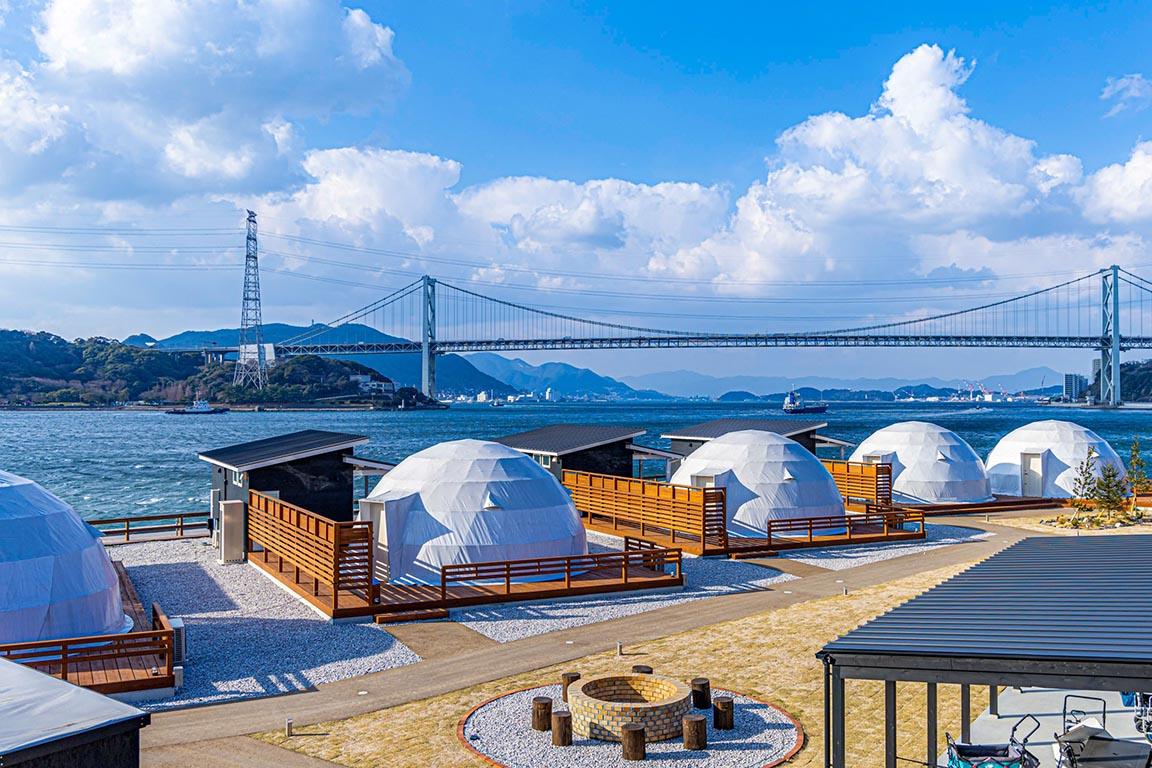
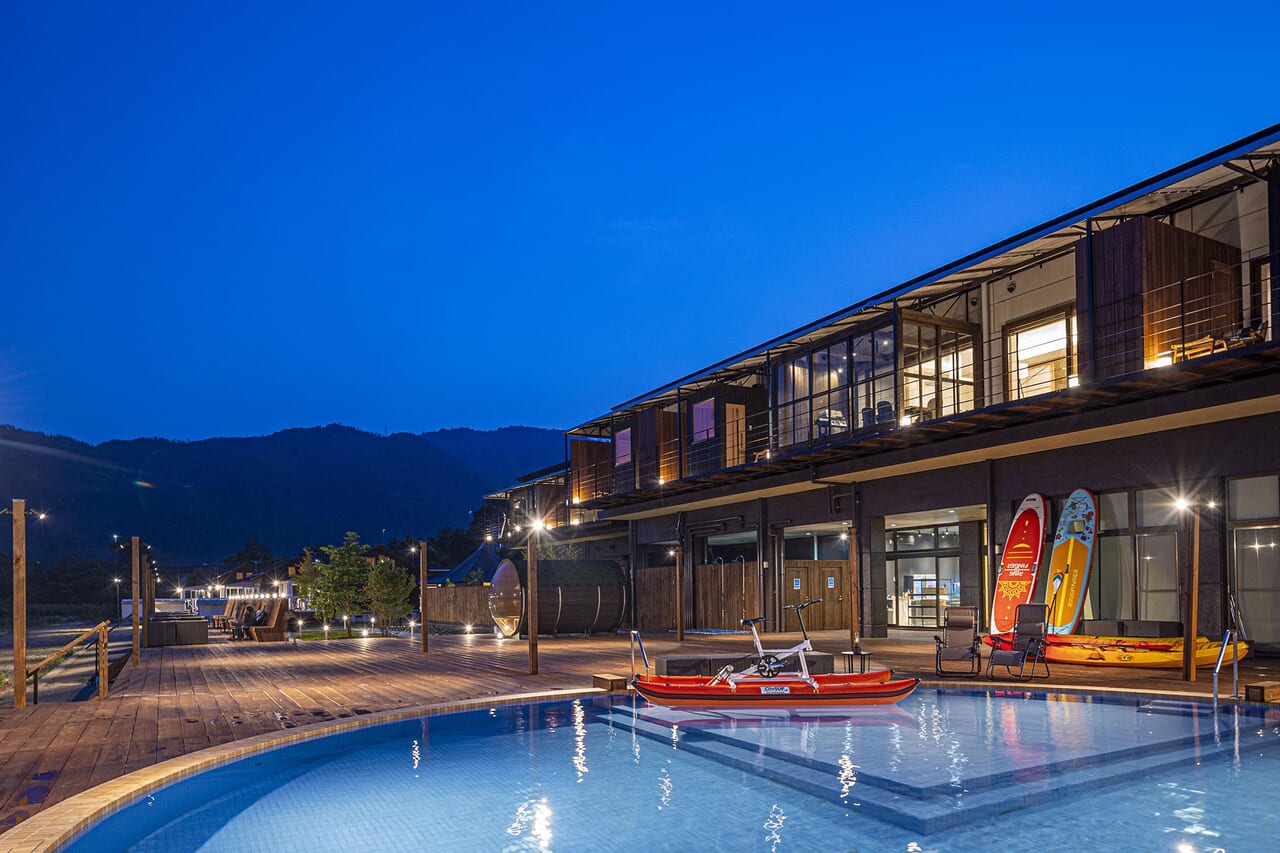
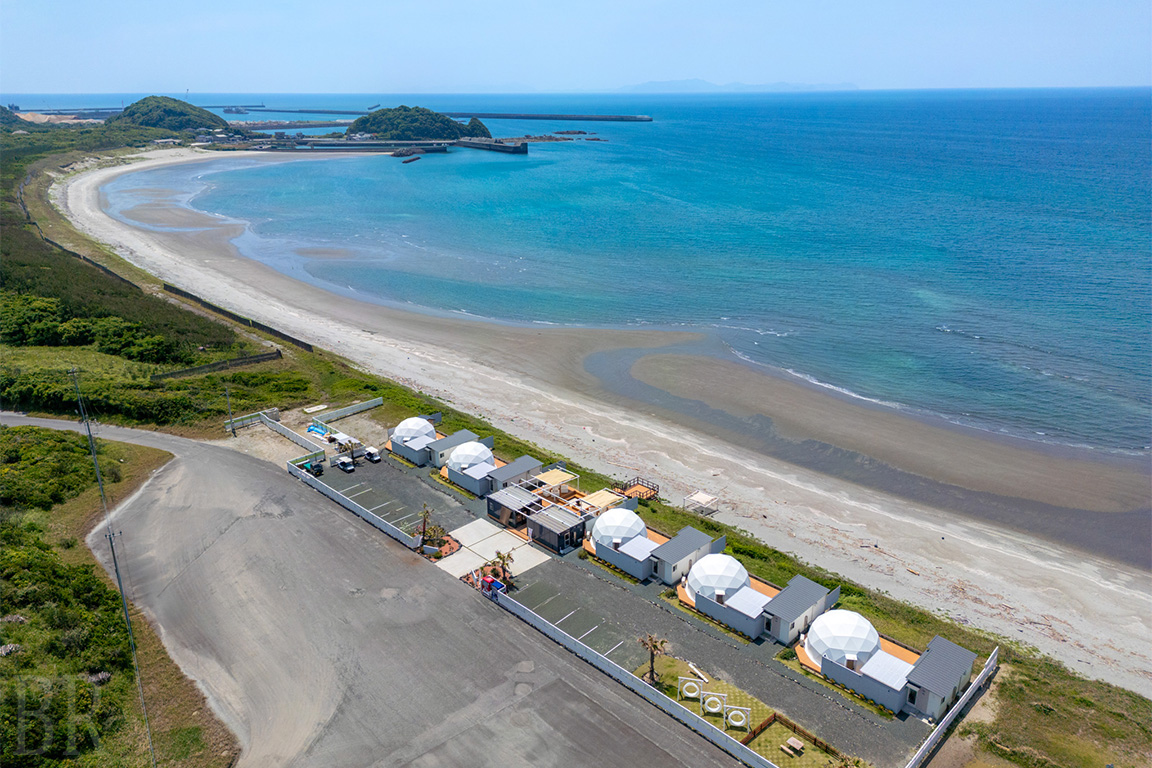
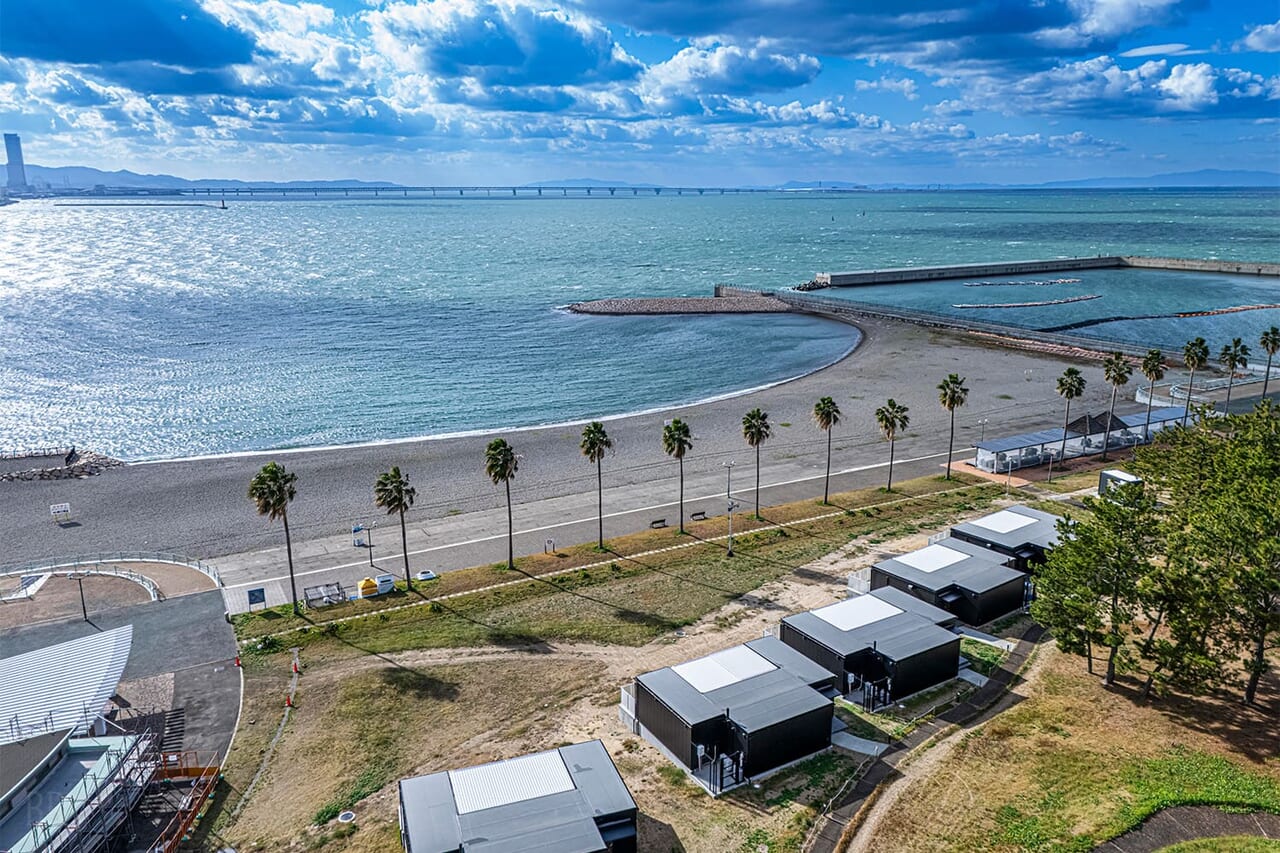
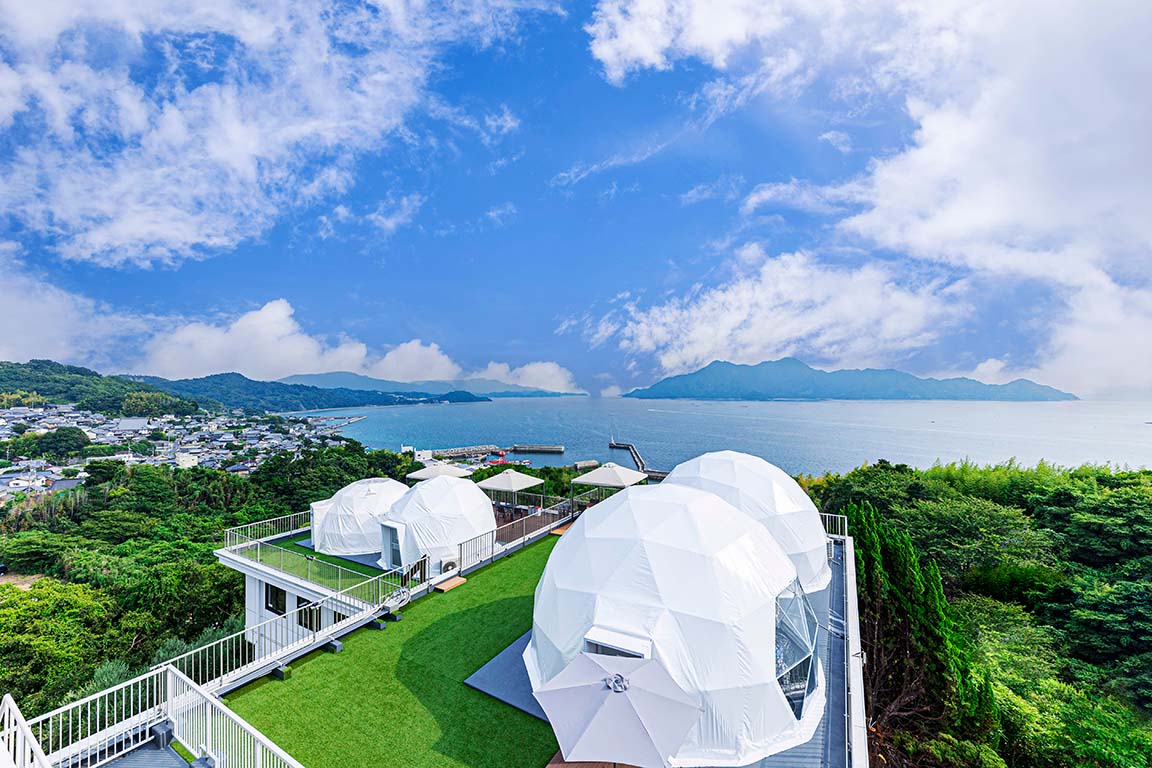
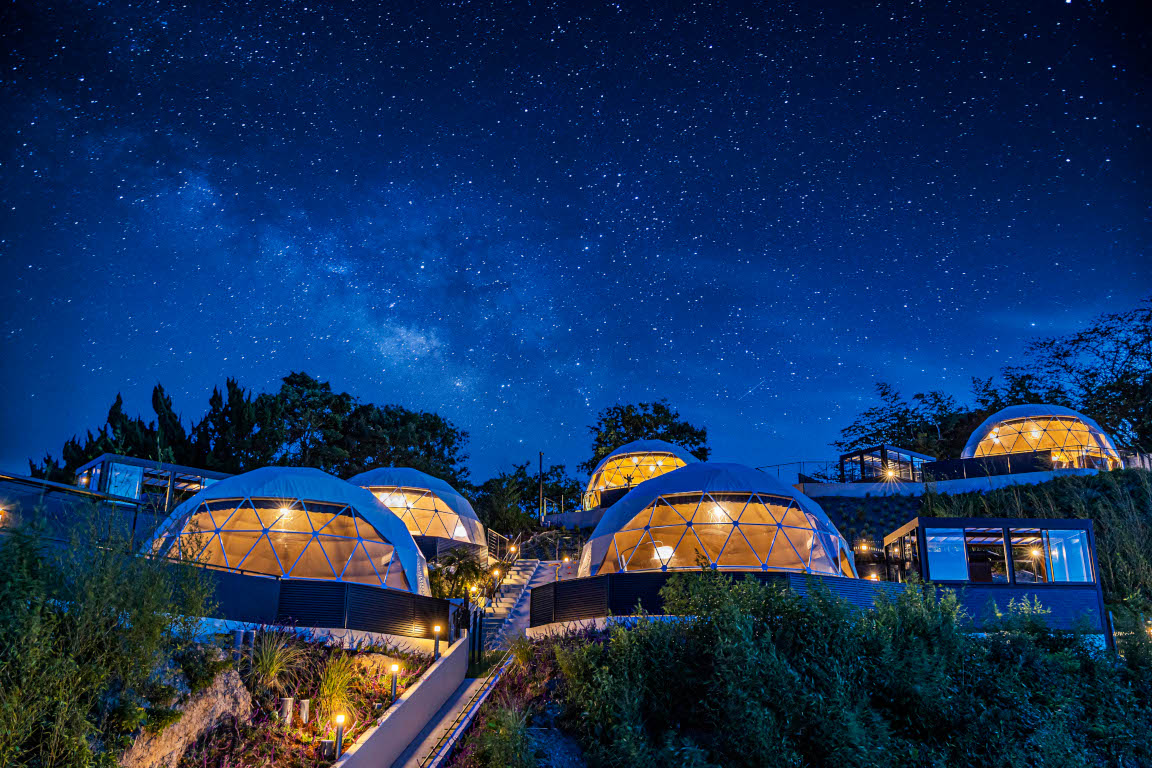
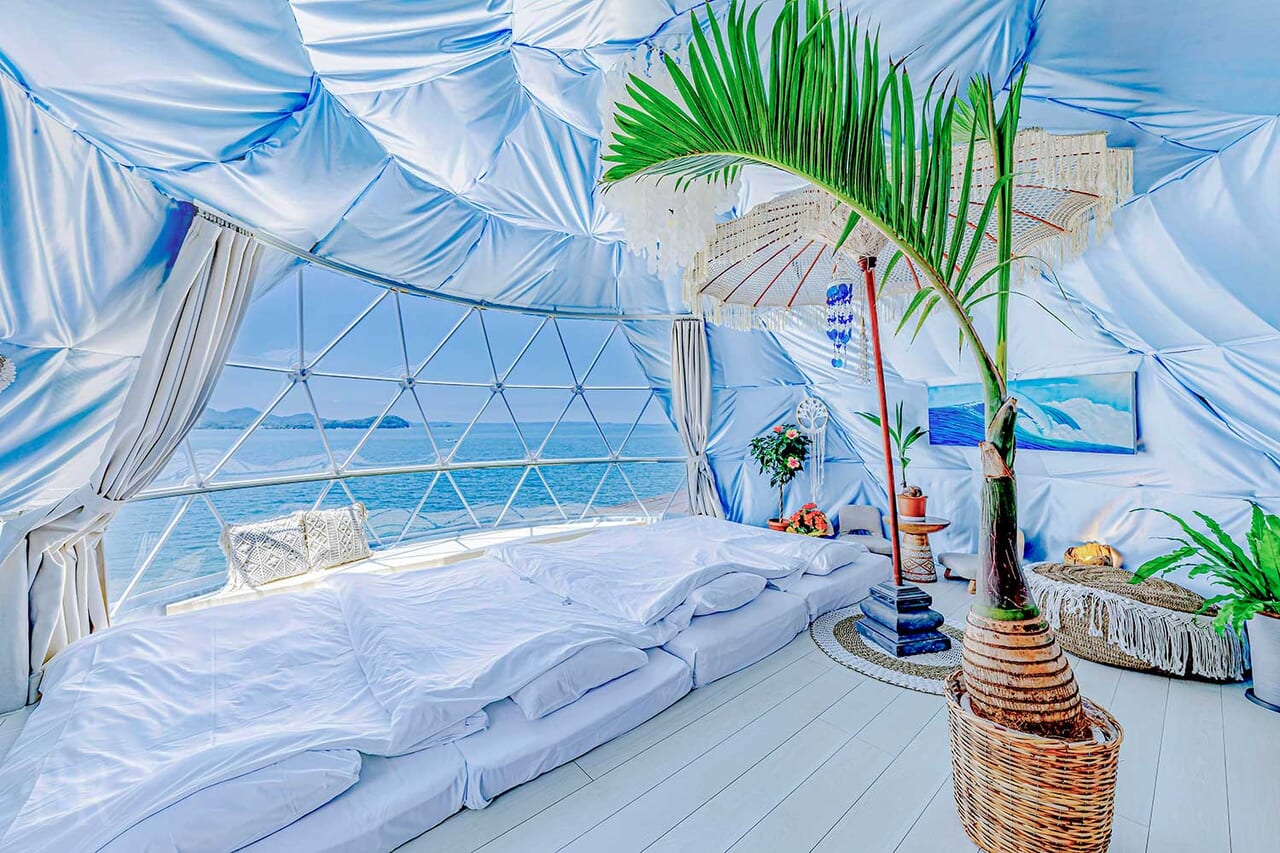
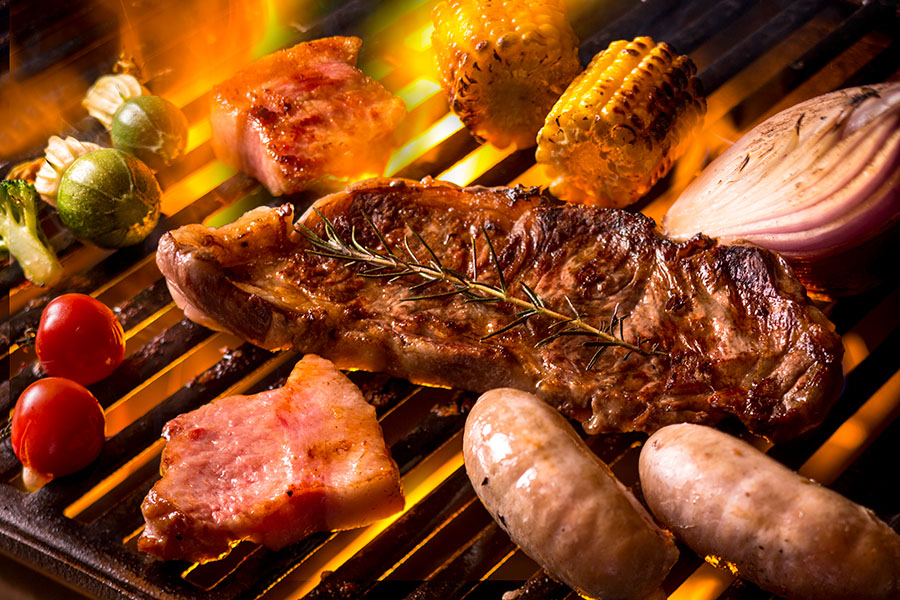
Located in Fukutsu City, Fukuoka Prefecture, Kyushu, this glamping facility offers stunning views of the Genkai Sea. Guests can enjoy a luxurious glamping BBQ featuring abundant ingredients from Kyushu and Fukuoka, including Fukuoka-produced Wagyu beef and fresh seafood. A variety of gelato flavors are also available at the management building. Each unit is equipped with a private BBQ space, as well as individual toilets and bathrooms, ensuring a comfortable and private stay.
The chances are not very high. The average minimum temperature in Fukuoka City in December is about 6℃, and it usually doesn't snow much, but if a strong cold wave hits during the New Year period, there is a possibility of a brief flurry of snow. If you want to see a snowy landscape, it is recommended to visit mountainous areas such as Mt. Hikosan in late January or early February. In that case, be sure to check the local weather forecast and road icing information.
In December, you can enjoy the winter illuminations in Tenjin and Hakata, savor ramen and motsunabe (offal hot pot) at food stalls, visit oyster huts in Itoshima, and experience the kotatsu boats of Yanagawa, which start around December 1st. December is also the time when "Amaou" strawberries begin to appear, and seasonal limited-time menus using strawberries will be popping up one after another at sweets shops throughout the city.
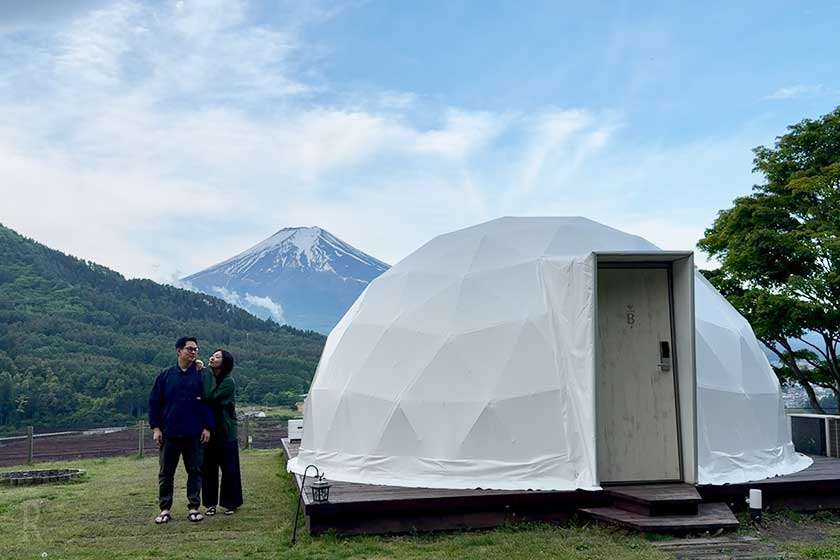
Choosing well-equipped facilities and rooms will ensure a comfortable stay even in winter. At "GLAMPDOME FUKUOKA FUKUTSU" in Fukutsu, each building is equipped with air conditioning, a bathroom, and a toilet, ensuring a warm and comfortable indoor environment. The coldest time of year in winter is when enjoying a BBQ outdoors. Bringing down jackets and other warm clothing will allow you to comfortably enjoy the winter sea and starry sky.
A 2-night, 3-day to 4-night, 5-day trip is recommended. Three days would allow you to explore Fukuoka city, Itoshima, and the coastal area of Fukutsu. Five days would allow you to add Yanagawa and Dazaifu, or even extend your trip to Yufuin or Beppu to enjoy hot springs. In winter, the sun sets around 5:30 PM in Fukuoka, so it's best to schedule outdoor sightseeing earlier in the day.
Fukuoka's winters are relatively mild with little rain and minimal snowfall in the lowlands, making it an excellent destination for those experiencing a Japanese winter for the first time. There are also plenty of seasonal experiences to enjoy, such as oysters, Amaou strawberries, street food, and the kotatsu boats of Yanagawa. To fully enjoy winter in Fukuoka, consider adding a night of glamping by the sea or surrounded by forests to your itinerary.

He is an editor at Resort Glamping.com, a glamping-focused media outlet visited by approximately 100 million people a month. He has written over 150 articles introducing glamping facilities and experience reports, and is involved in a wide range of glamping facility services, from planning and development to operation and customer acquisition consulting.