
Resort Glamping.com
Nationwide (Hokkaido, Tohoku, Kanto, Koshinetsu, Kansai, Tokai, Chugoku, Shikoku, Kyushu, Okinawa)
October 7, 2026
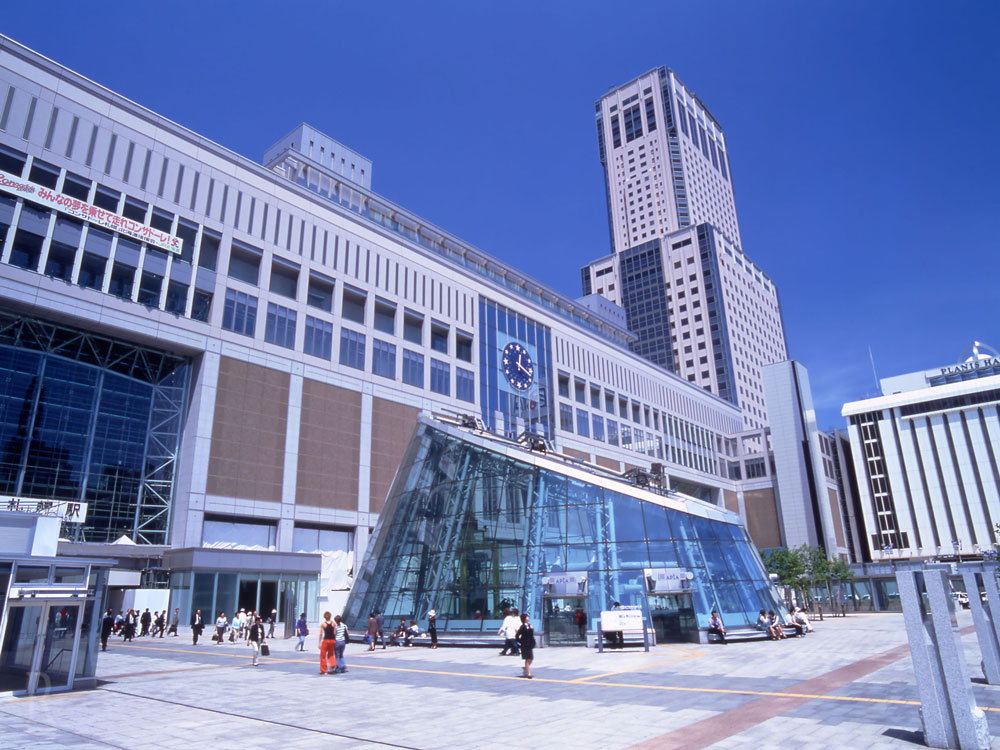
Hokkaido is the northernmost island of Japan, and its area accounts for approximately 20% of Japan's total land area. From New Chitose Airport, you can reach Sapporo in as little as 37 minutes using the JR Rapid "Airport" train. From Sapporo, you can reach Otaru in about 30 minutes, Asahikawa in about 1 hour 30 minutes, and Lake Toya in about 2 hours by JR train. Three particularly recommended day trip routes are Otaru, Biei/Furano, and Lake Toya.
table of contents
| Route | Travel time from Sapporo | Recommended season |
|---|---|---|
| Otaru | Approximately 30-45 minutes by JR train. | All Year |
| Biei and Furano | Approximately 2 hours 30 minutes to 3 hours by bus or car. | July ~ August |
| Asahikawa Asahiyama Zoo | JR Limited Express train (approx. 1 hour 25 minutes) + bus | All Year |
| Lake Toya and Noboribetsu | Approximately 1 hour 10 minutes to 1 hour 50 minutes by JR Limited Express train. | All Year |
| 積丹半島 | Approximately 2 hours and 30 minutes by bus or car. | July ~ August |
| Sapporo city | Subway and tram | All Year |
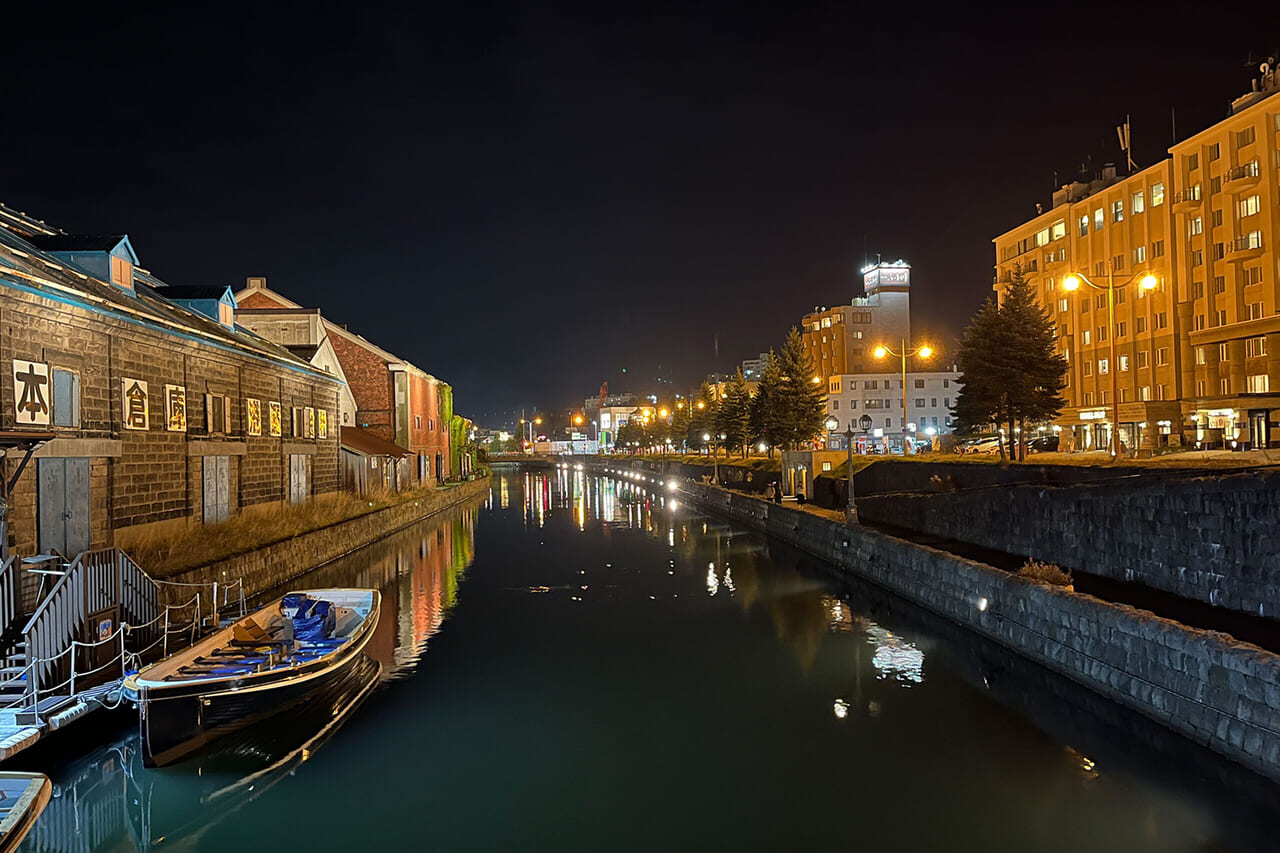
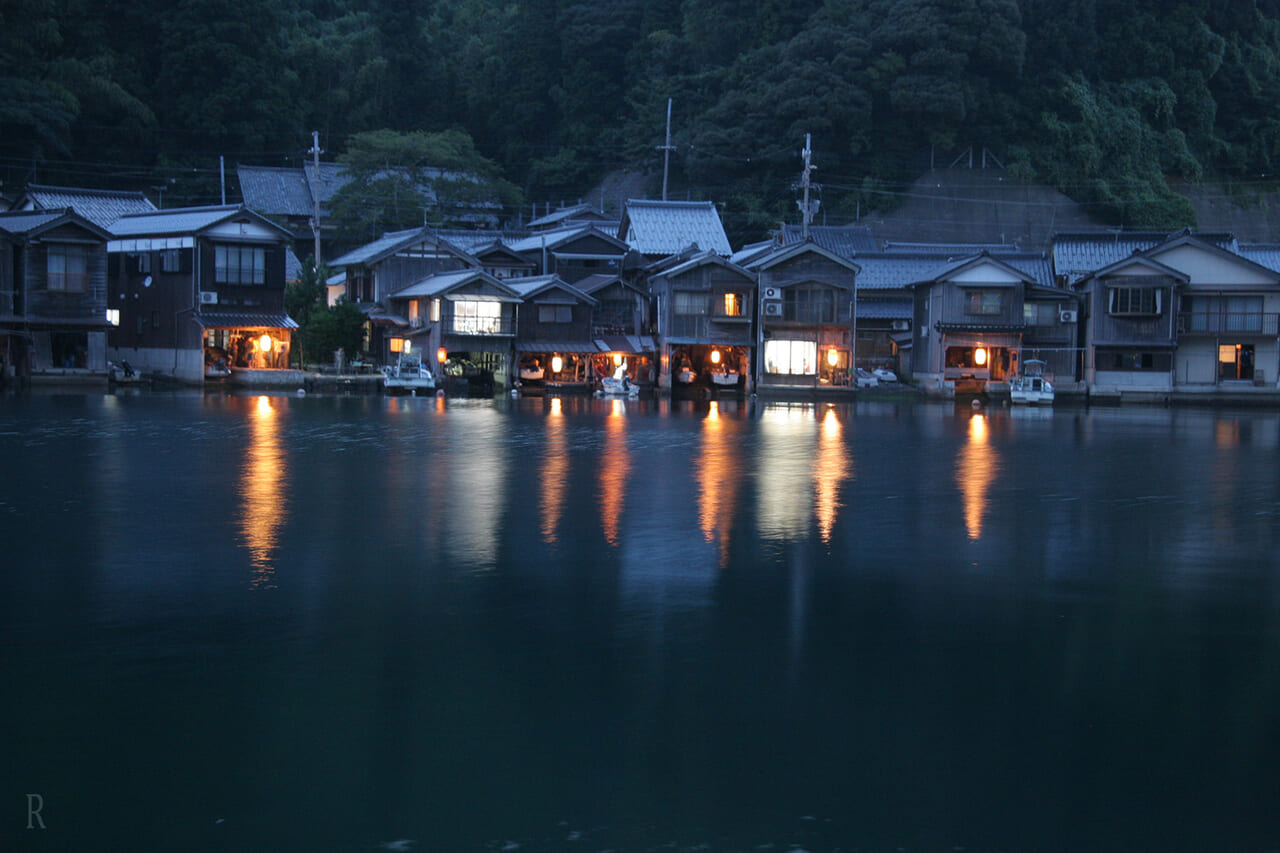
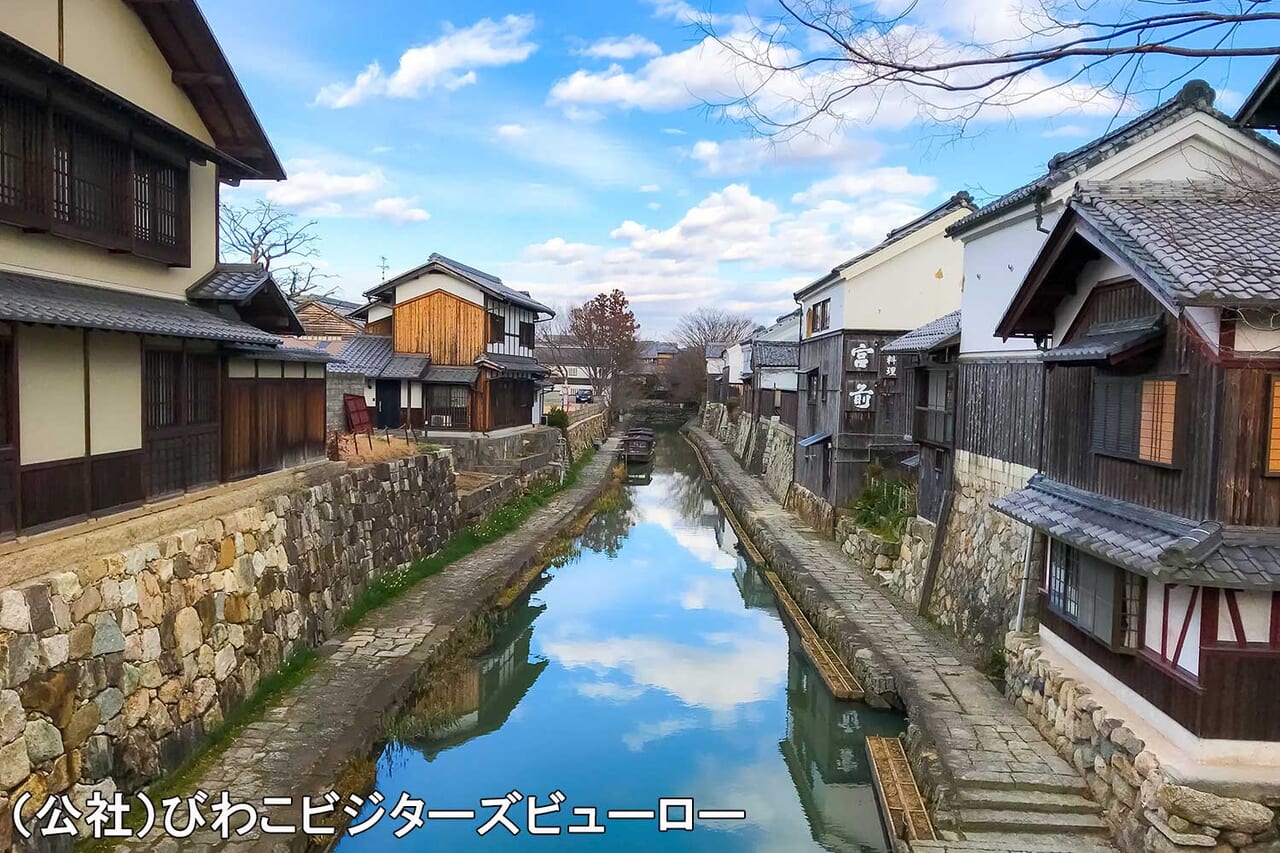
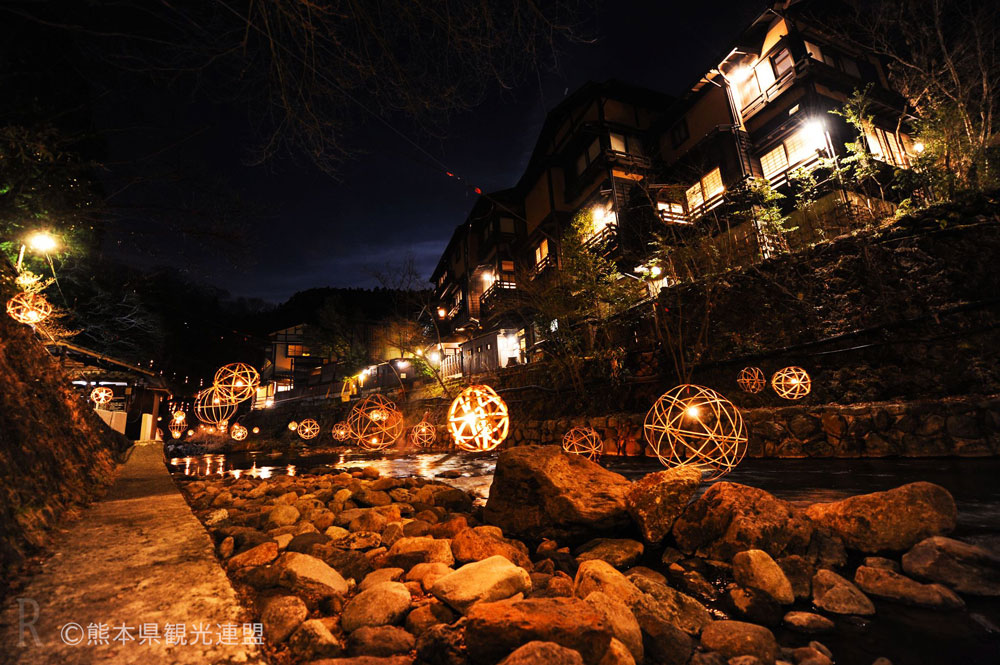
Otaru is easily accessible from Sapporo in just about 30 minutes. Along the Otaru Canal, historic stone warehouses line the streets, creating a particularly romantic atmosphere when lit up at night. The Sakaimachi shopping street is home to shops like Kitaichi Glass, the Otaru Music Box Museum, and sweets shops such as LeTAO. Adding a seafood rice bowl at the Sankaku Market will complete a perfect day in Otaru.
Access: Take the "Airport" rapid train from JR Sapporo Station to Otaru Station (approximately 30 minutes).
Recommended route:
Otaru Station → Sankaku Market → Otaru Canal → Sakaimachi Shopping Street → Otaru Music Box Museum → Return to Sapporo
Official site:https://otaru.gr.jp/
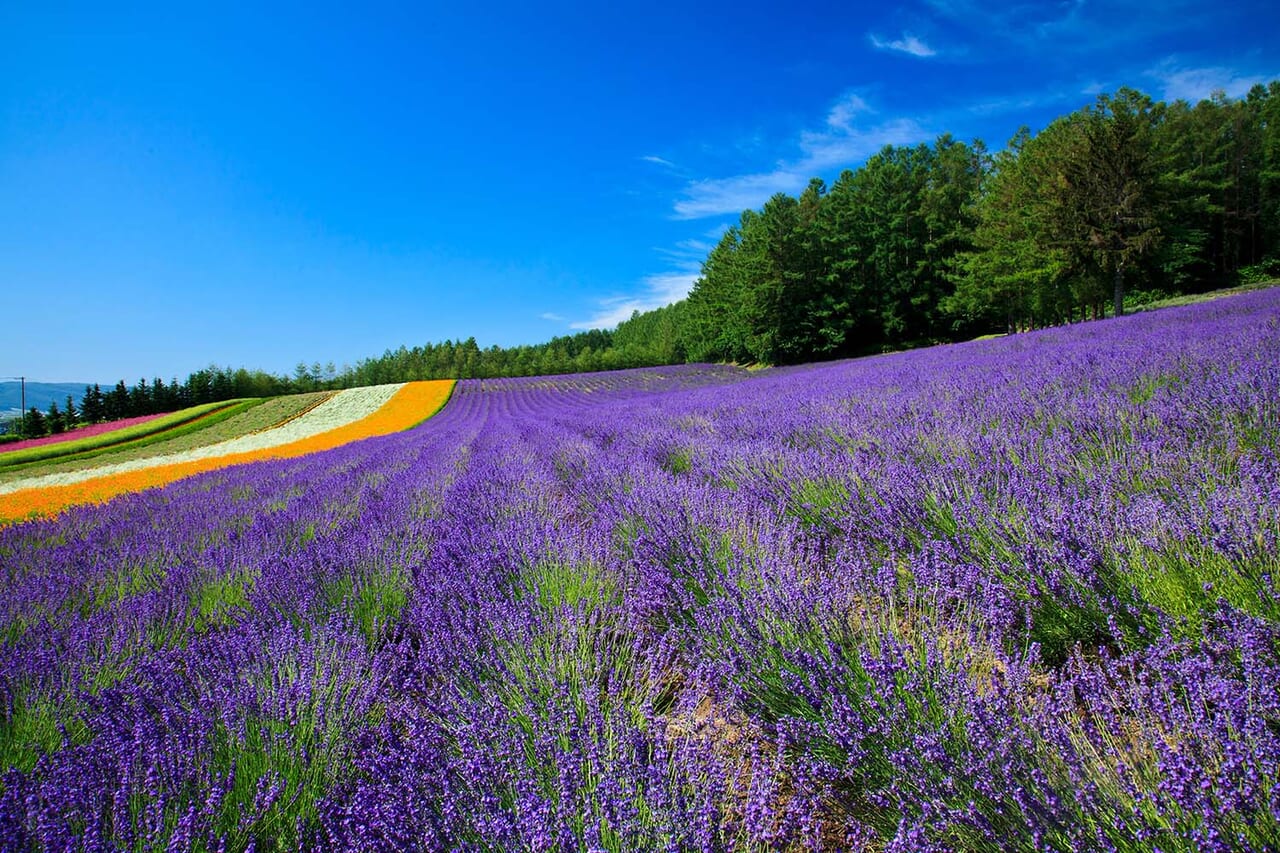
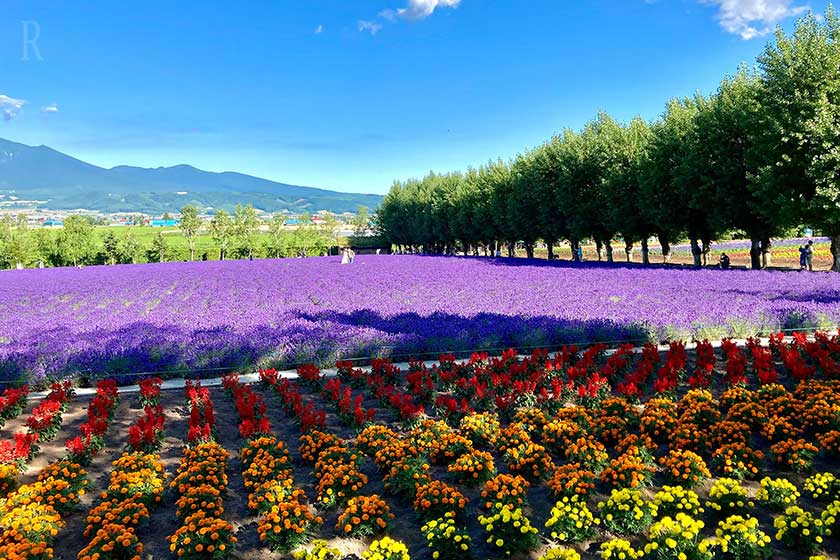
Biei boasts attractions such as the "Patchwork Road," where the rolling hills and rural landscape resemble a patchwork quilt, as well as the enchanting Blue Pond and Shirahige Falls. In July, Farm Tomita's lavender fields are in full bloom, making it a popular tourist spot representing Furano. If you don't have a car, taking a regular sightseeing bus from Sapporo is recommended.
Access: Approximately 2 hours 30 minutes to 3 hours by regular sightseeing bus or car from Sapporo. The JR "Furano Lavender Express" also operates during the summer.
Recommended route:
Sapporo → Biei Patchwork Road → Blue Pond → Shirohige Falls → Farm Tomita → Return to Sapporo
Official site:https://www.biei-hokkaido.jp/
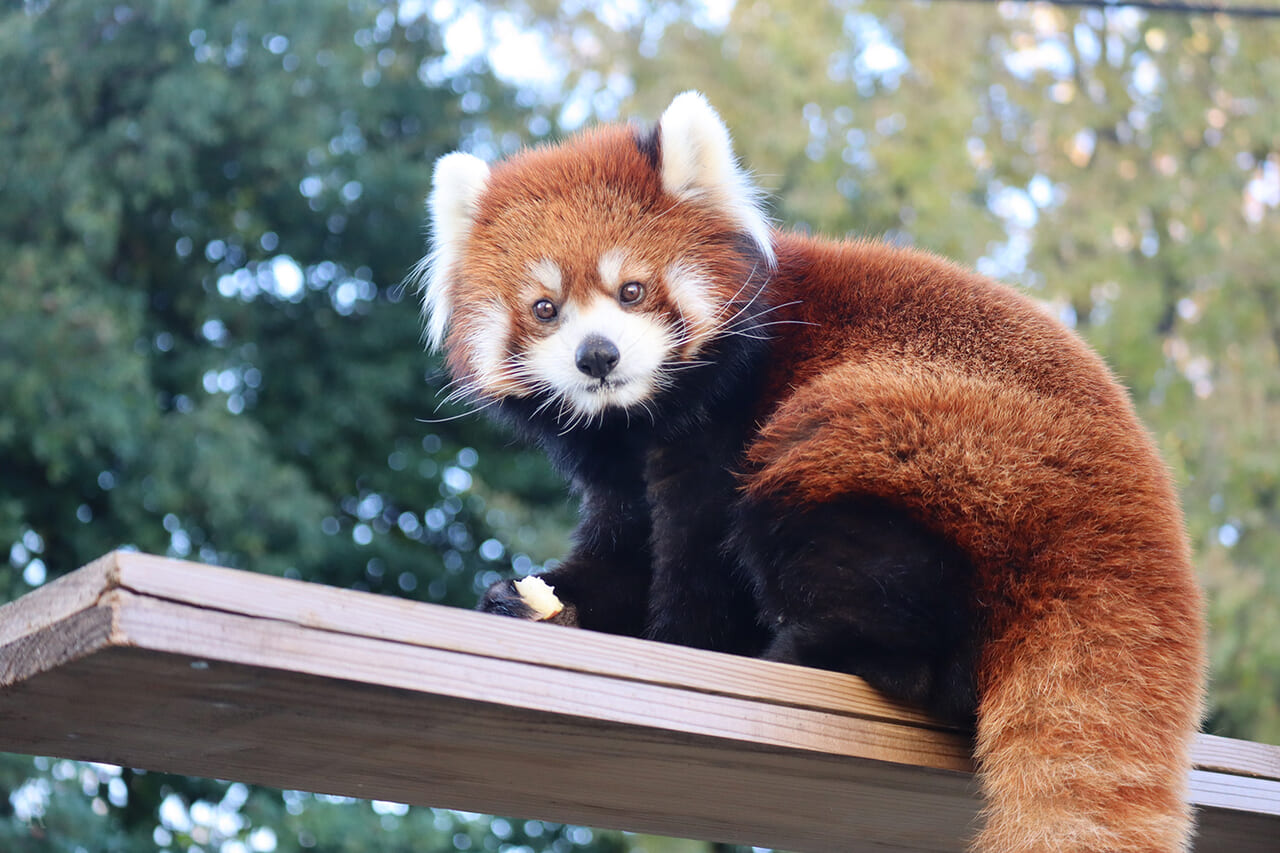
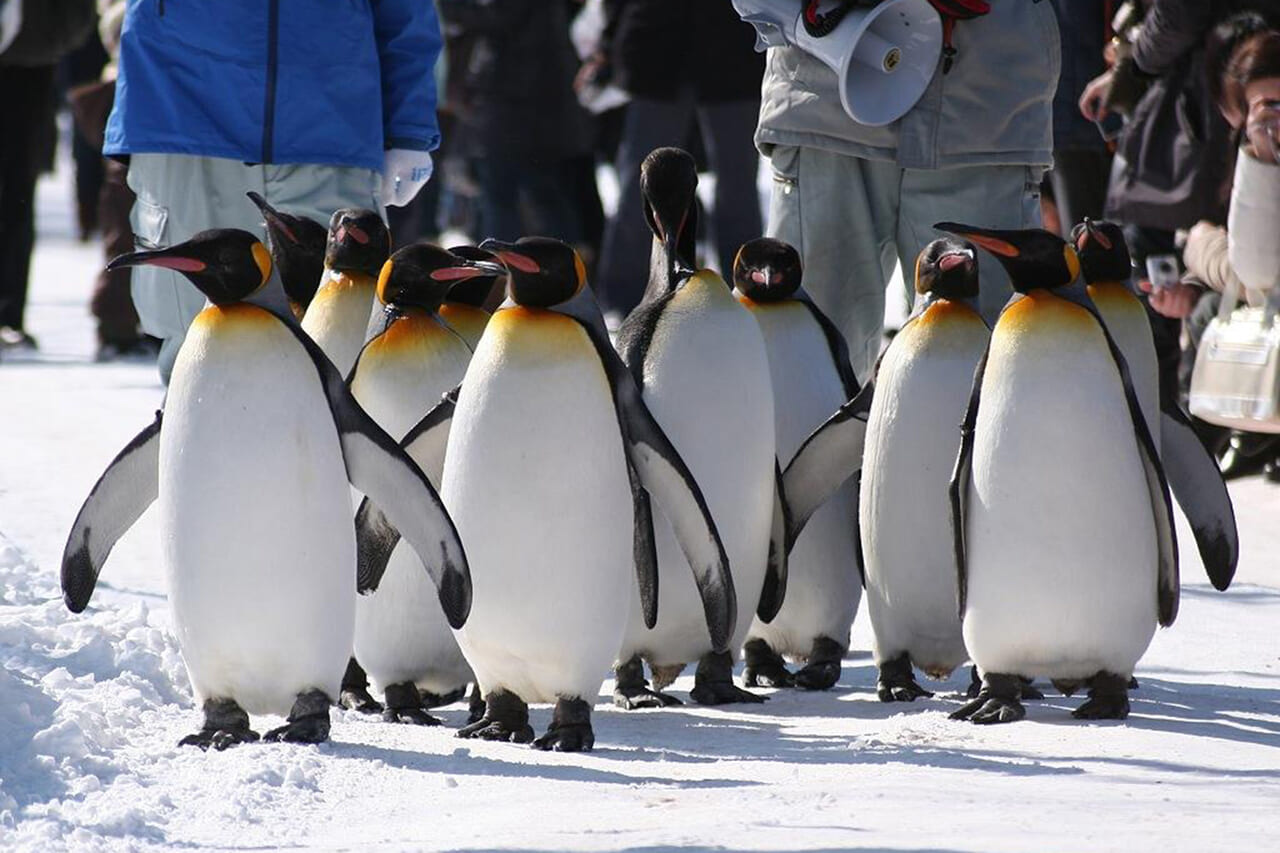
At Asahiyama Zoo, you can observe penguins and polar bears swimming up close through underwater tunnels and other features. The "Penguin Walk," a winter-only event, is held annually from late December to mid-March.
Access: From JR Sapporo Station, take the limited express train to Asahikawa Station (approximately 1 hour and 25 minutes). Then, take the Asahiyama Zoo bus (approximately 40 minutes).
Admission fee: 1,000 yen for adults, free for junior high school students and younger.
Official site:https://www.city.asahikawa.hokkaido.jp/asahiyamazoo/
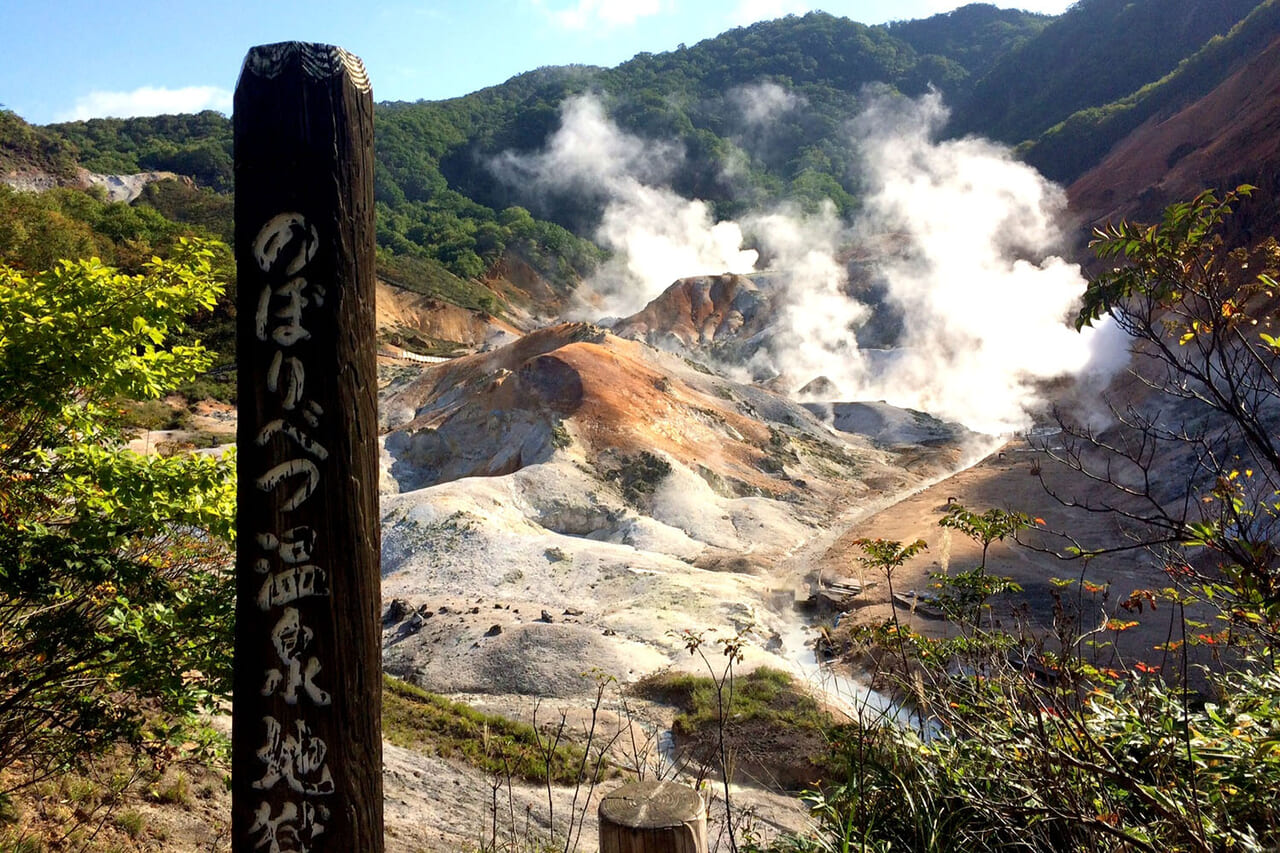
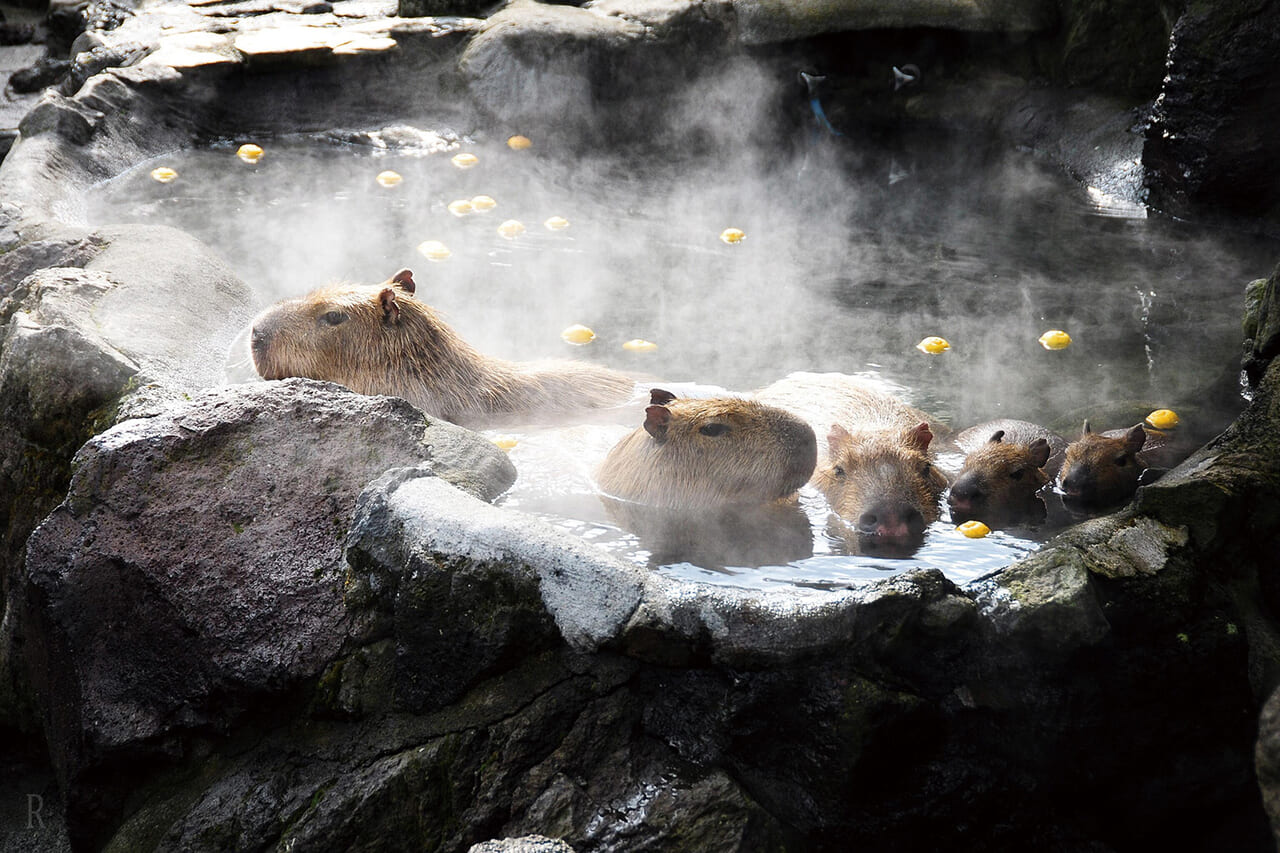
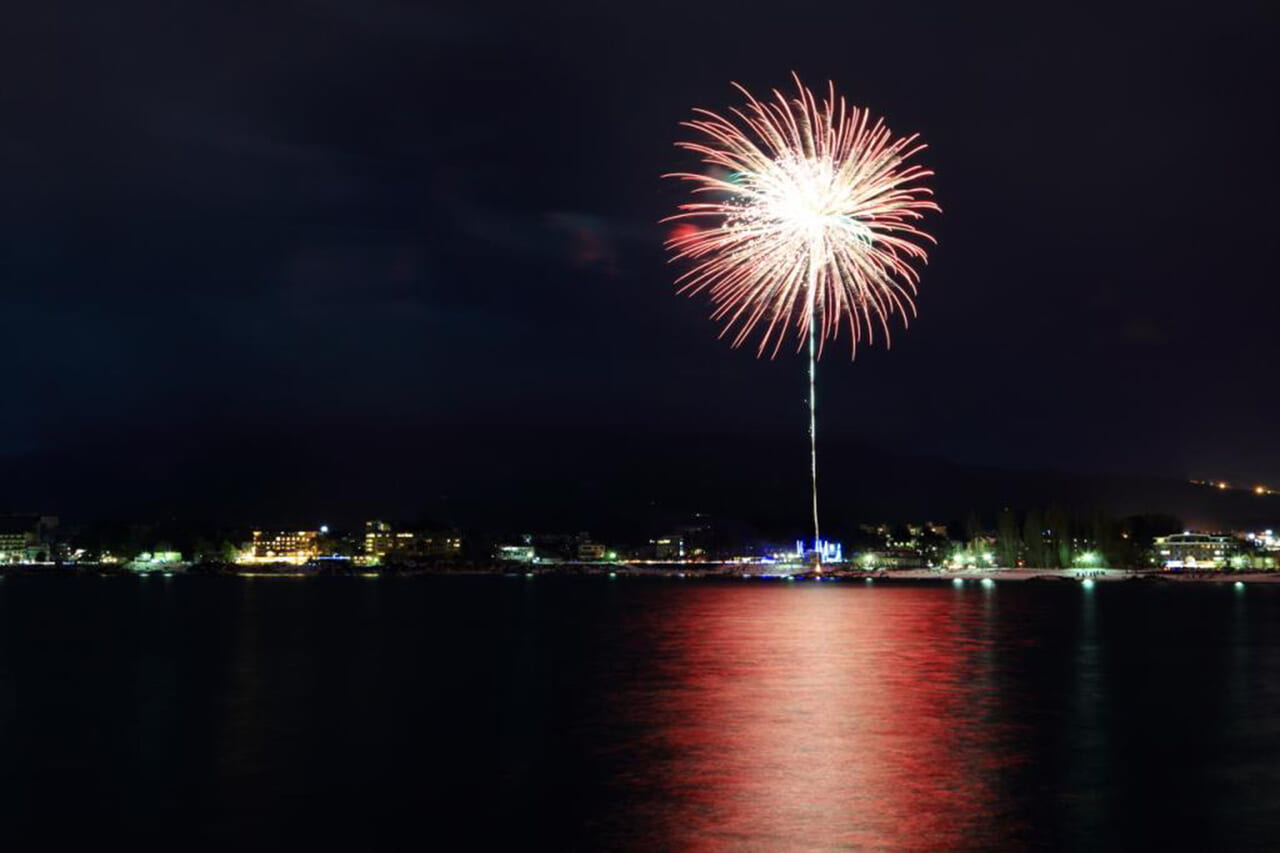
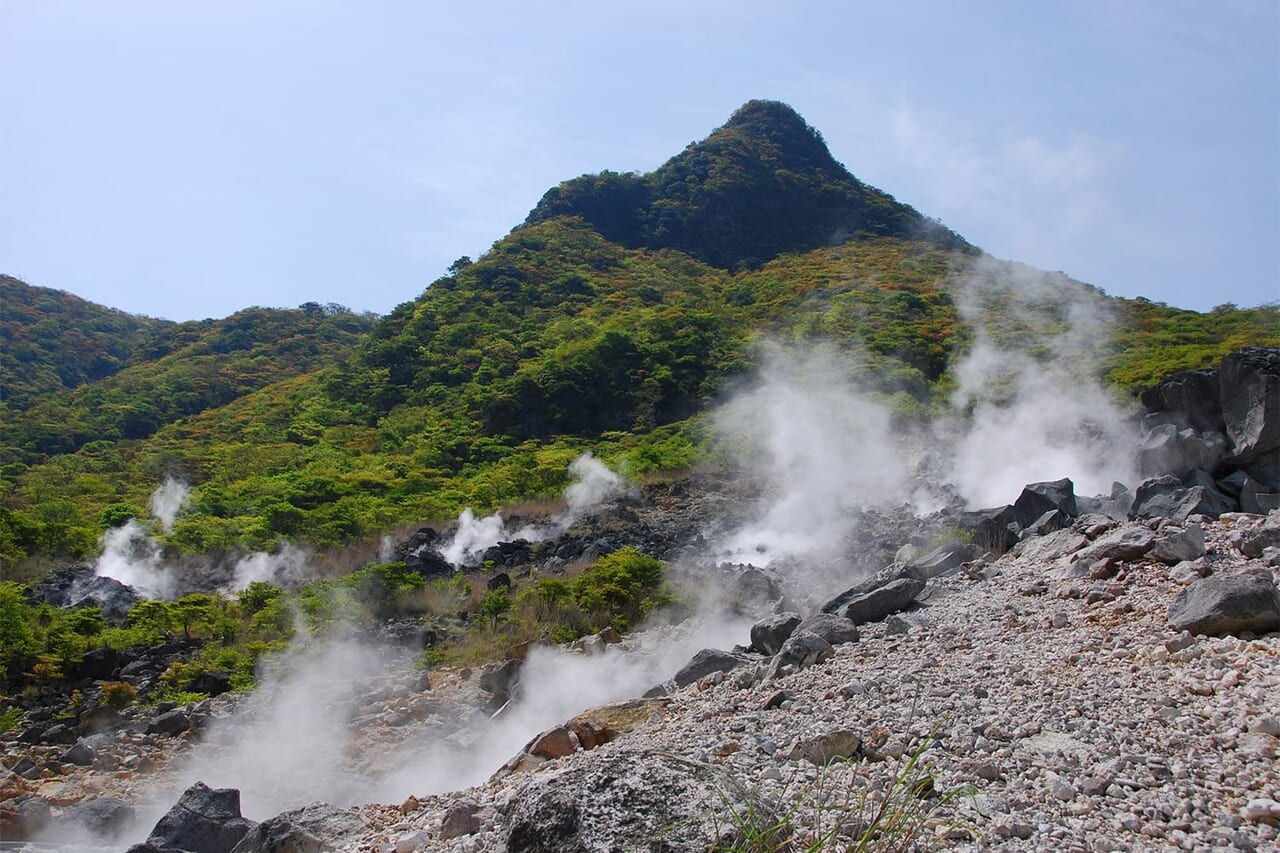
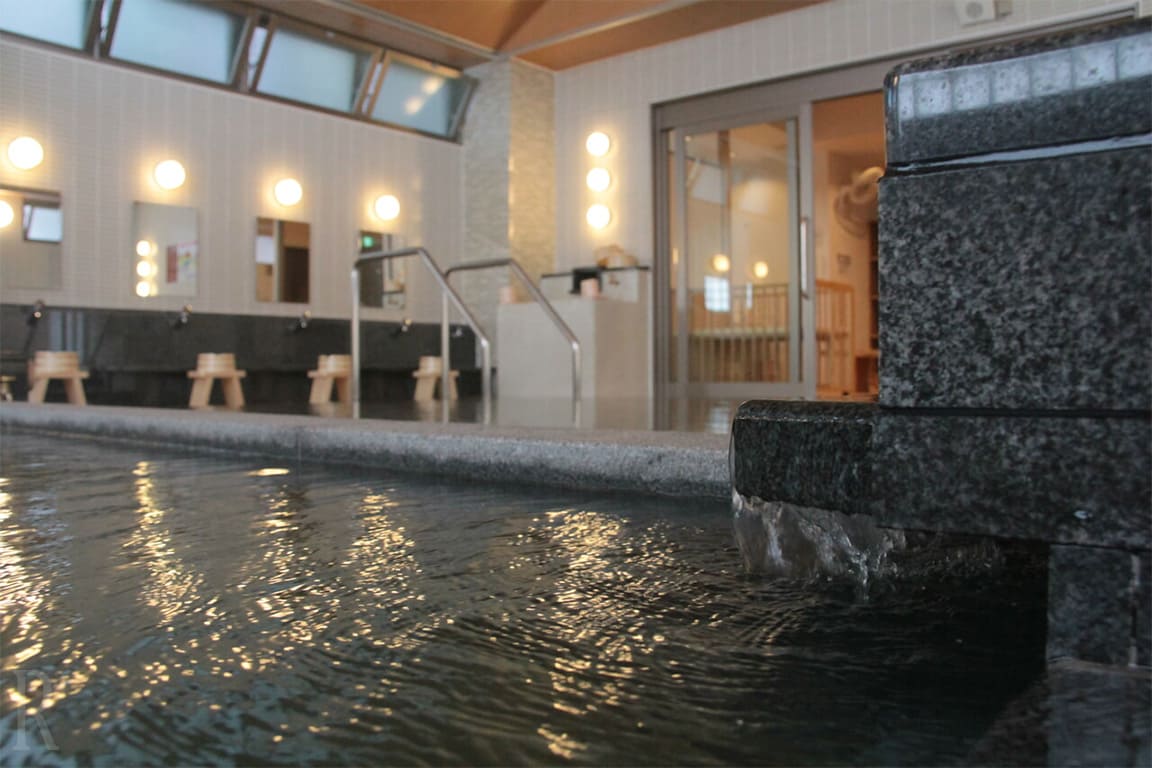
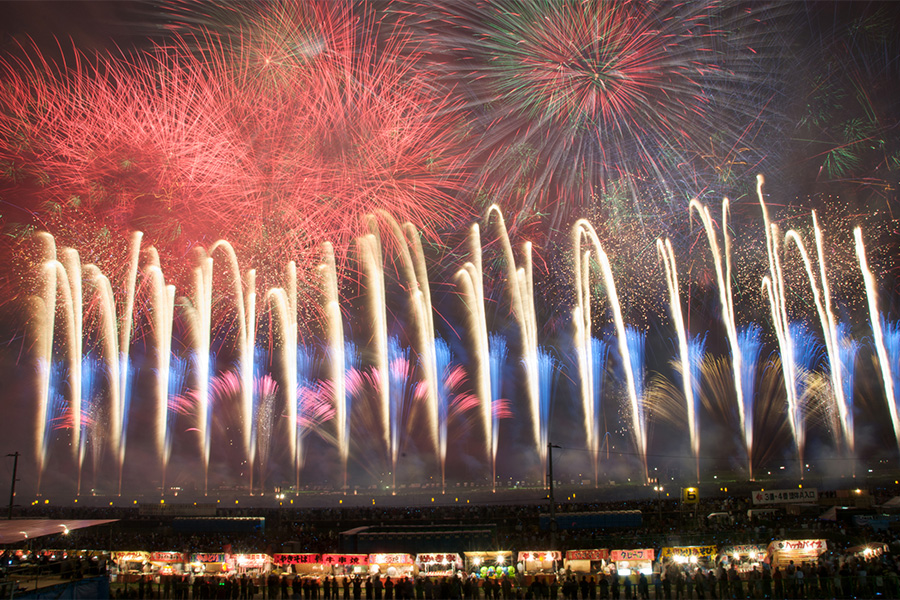
Lake Toya is a caldera lake formed by volcanic activity, with an island in the middle. From late April to October, fireworks displays are held every night over the lake in the Toyako Onsen hot spring resort area on the lakeshore. Noboribetsu Jigokudani (Hell Valley) is a crater with a diameter of approximately 450m, where visitors can enjoy the impressive scenery of white smoke and the smell of sulfur. Noboribetsu Onsen is also known as the "department store of hot springs" because of the wide variety of hot springs it offers.
Access: From JR Sapporo Station, take the limited express train to Noboribetsu Station (approximately 1 hour 10 minutes) or to Toya Station (approximately 1 hour 50 minutes). Then, take a bus to the hot spring resort area.
Recommended route:
Sapporo → Noboribetsu Jigokudani (Hell Valley) → Bathing at Noboribetsu Onsen (hot springs) → Lake Toya → Return to Sapporo
Toyako Onsen Official Website:https://www.laketoya.com
Noboribetsu Official Website:https://noboribetsu-spa.jp/
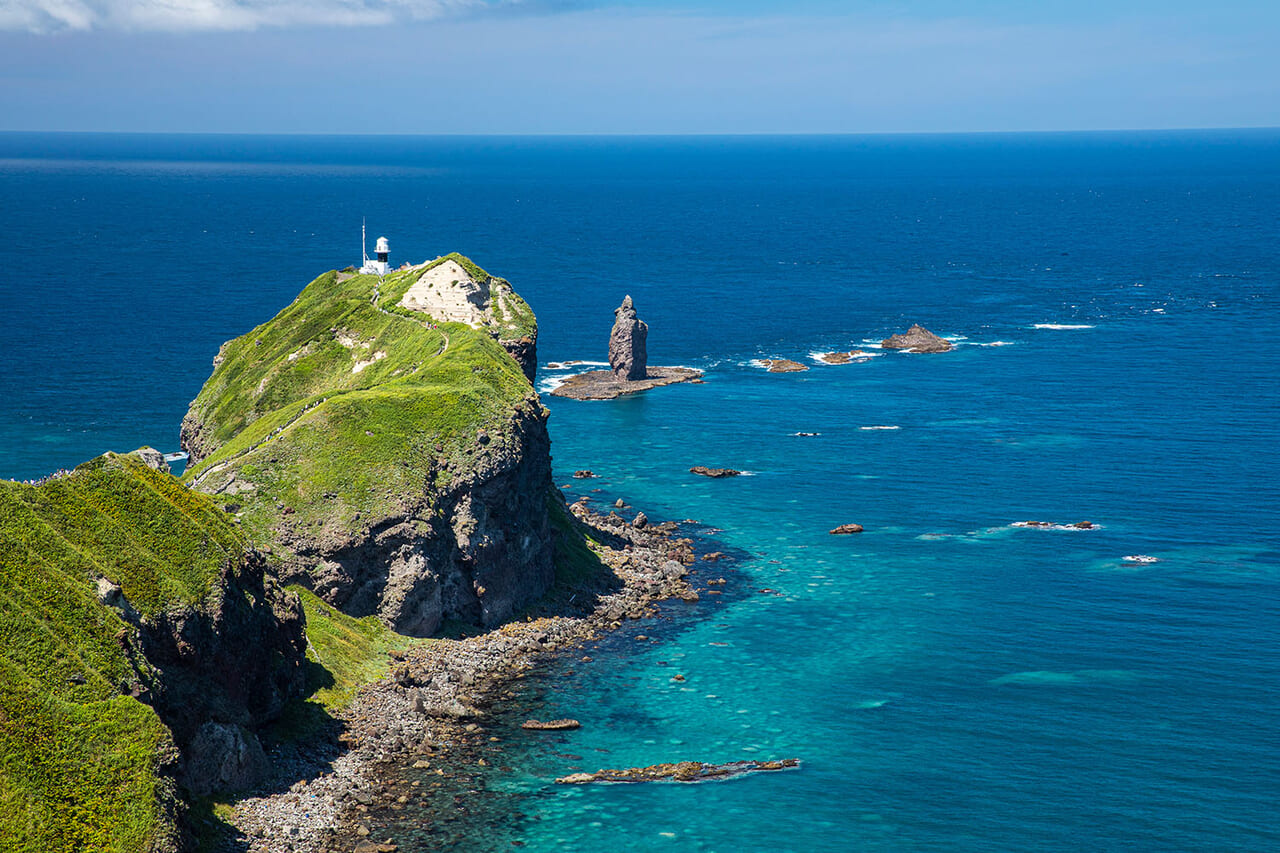
The Shakotan Peninsula is known for its beautiful blue sea, often called "Shakotan Blue." At Cape Kamui, crystal-clear blue waters stretch out on both sides of the promenade leading to the tip of the cape, offering a spectacular view unique to Hokkaido. June to August is sea urchin season, and a sea urchin bowl made with plenty of fresh raw sea urchin is a must-try delicacy. Some roads and facilities are closed during the winter, so it is recommended to visit between May and October.
Access: Approximately 2 hours and 30 minutes by regular sightseeing bus or car from Sapporo.
Recommended route:
Sapporo → Yoichi → Shimamui Coast → Cape Kamui → Sea urchin rice bowl lunch → Return to Sapporo
Official site:https://www.visit-hokkaido.jp/
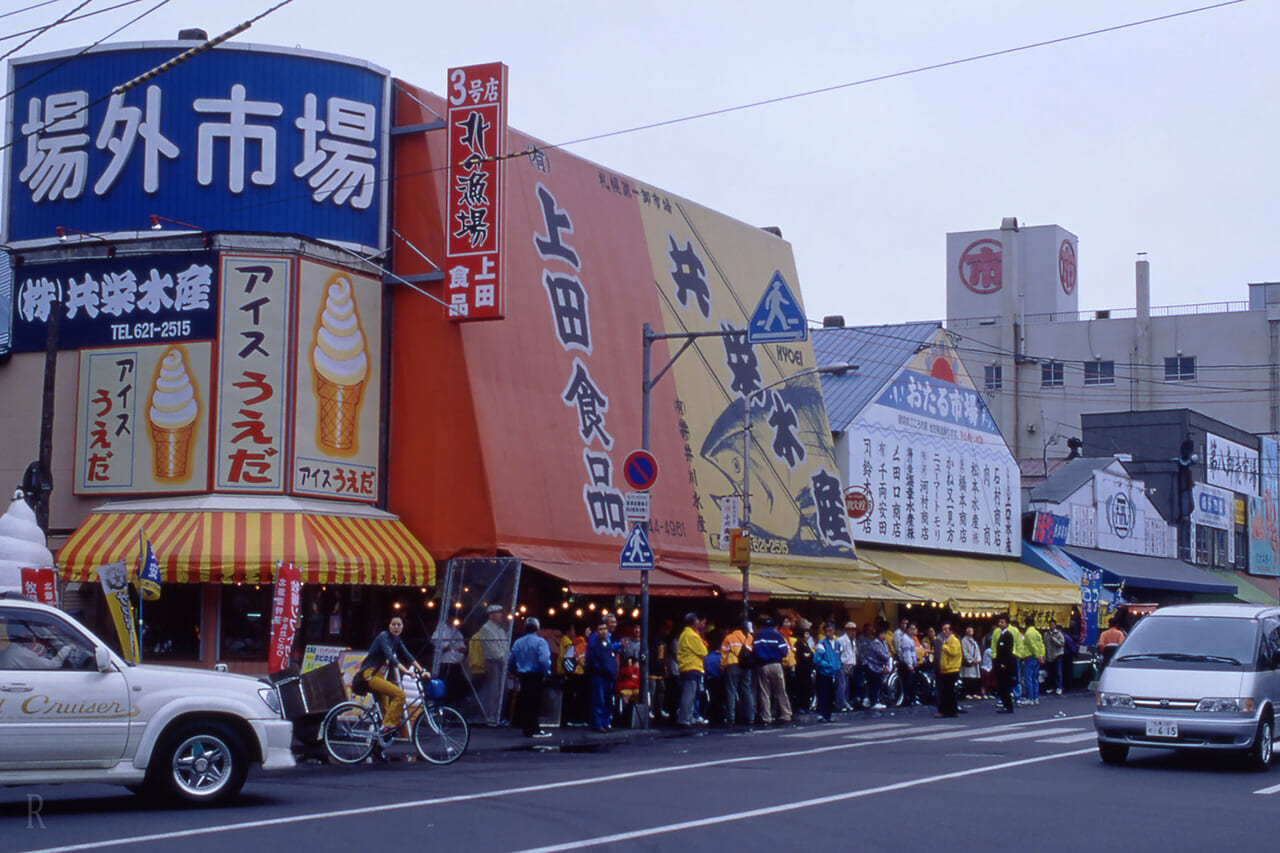
If you want to avoid long-distance travel, you can easily spend a full day sightseeing within Sapporo city limits. Odori Park, Sapporo TV Tower, and Sapporo Clock Tower are all within walking distance. For lunch, enjoy a seafood rice bowl at Nijo Market, and in the afternoon, visit Shiroi Koibito Park. In the evening, take the ropeway up Mt. Moiwa to admire the Sapporo night view, and then enjoy soup curry or Jingisukan (grilled lamb) in Susukino.
Access: Sapporo Municipal Subway and Tram
Recommended route:
Sapporo Clock Tower → Odori Park → Nijo Market → Shiroi Koibito Park → Night view from Mt. Moiwa → Susukino
Official site:https://www.sapporo.travel/

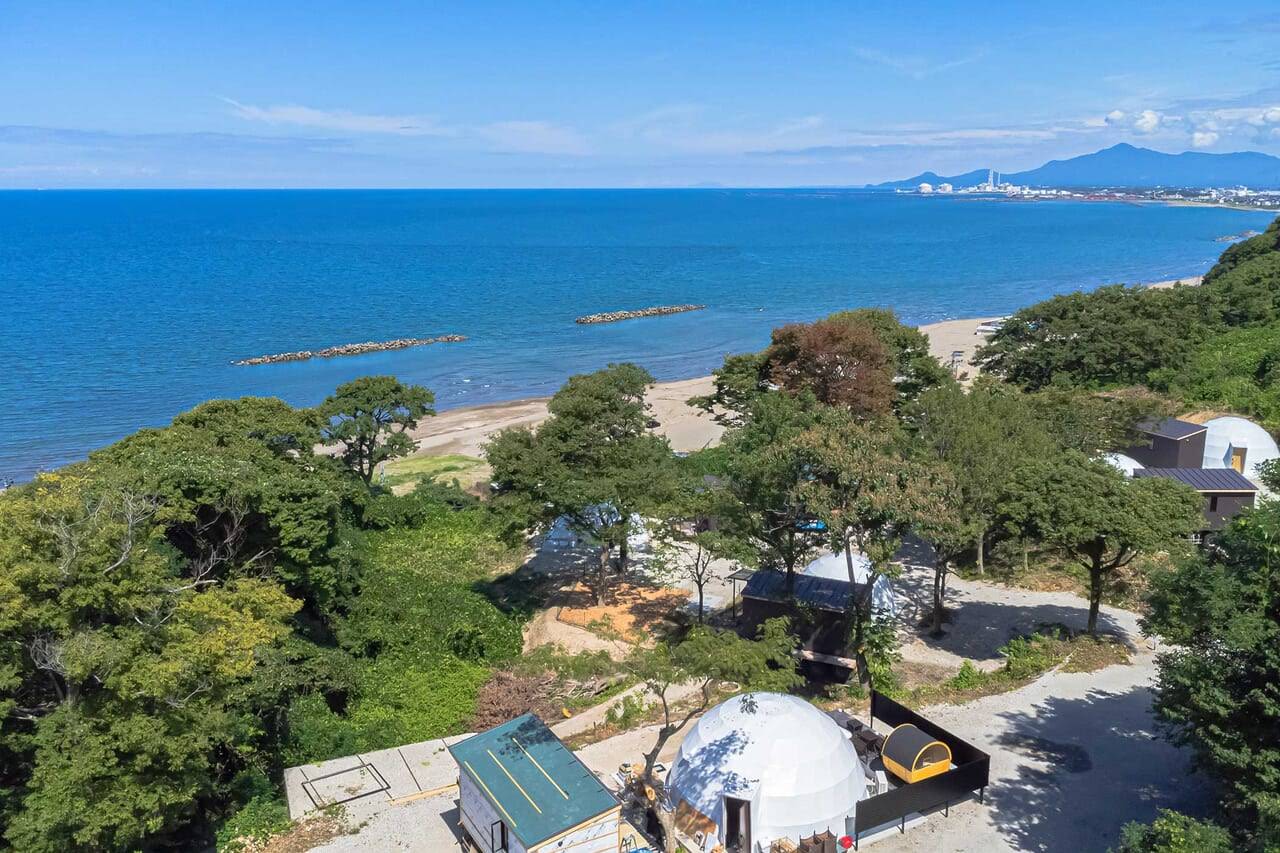
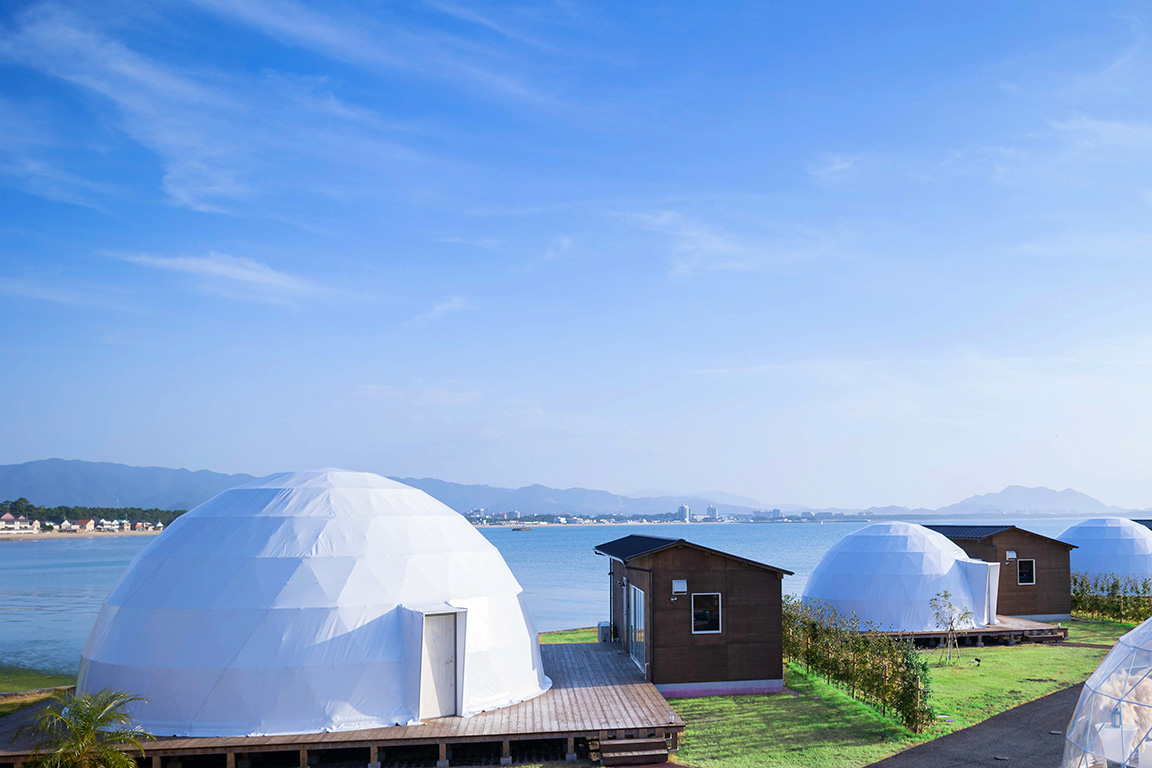
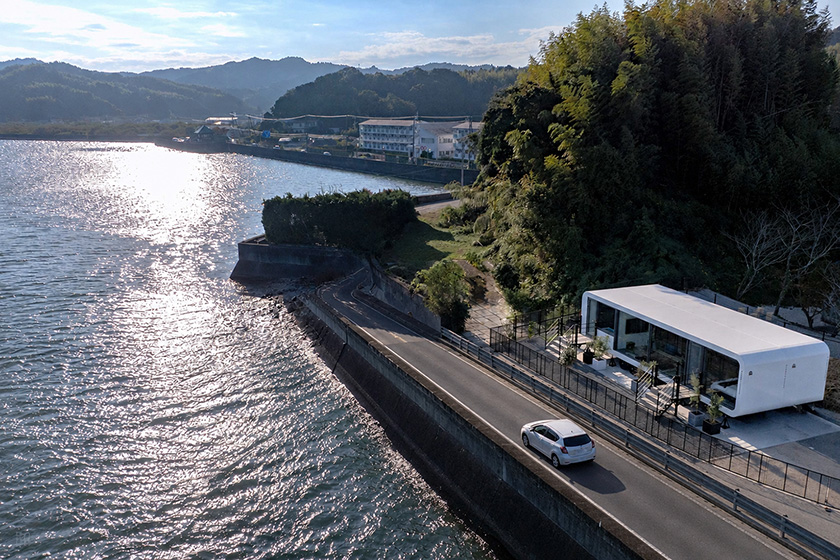
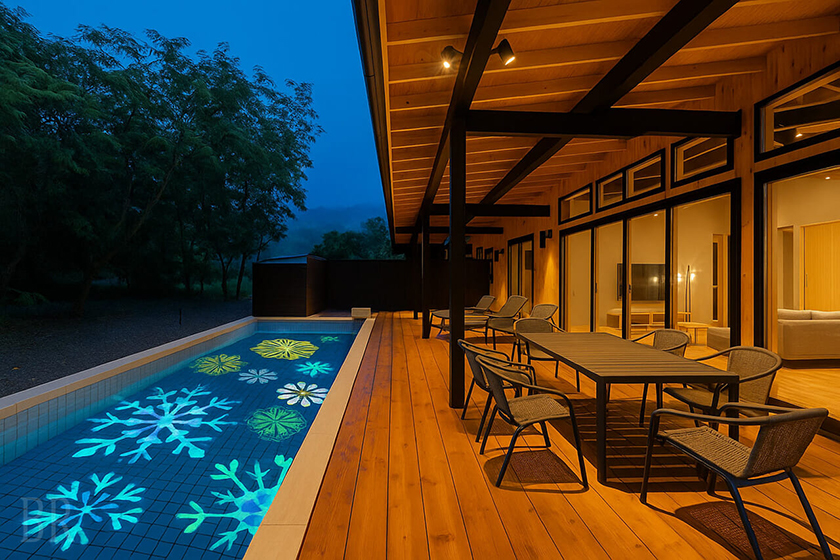
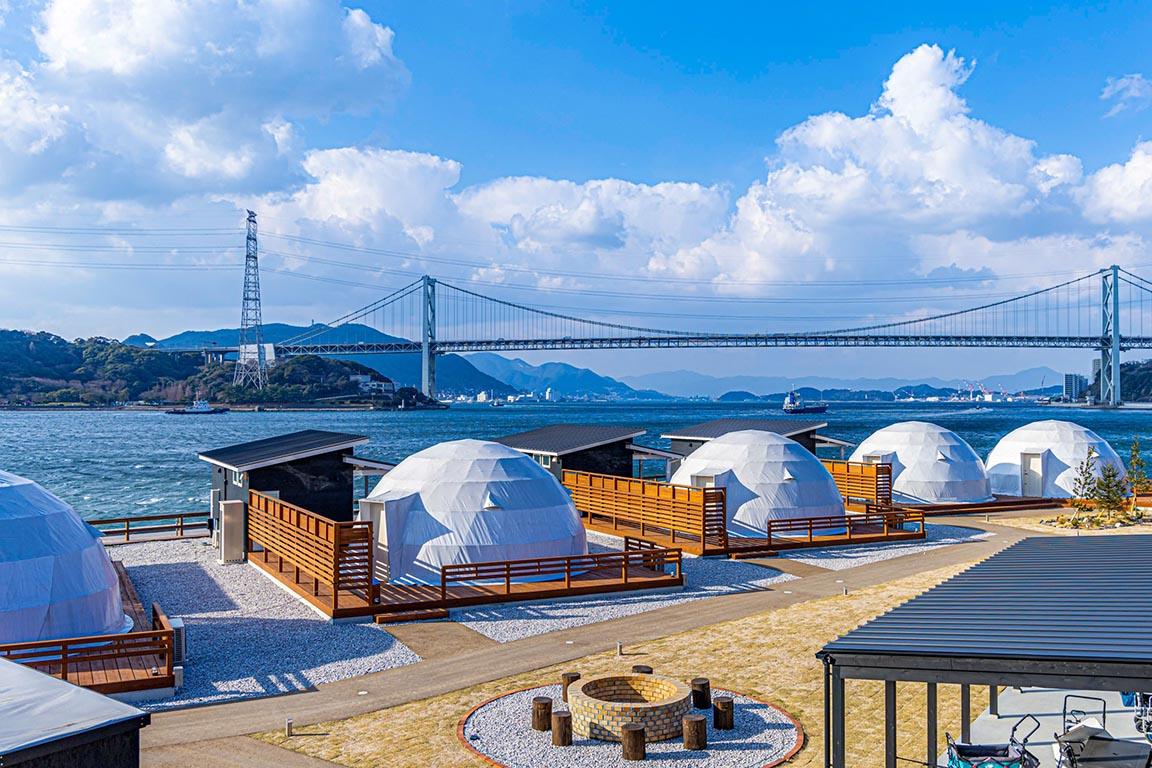
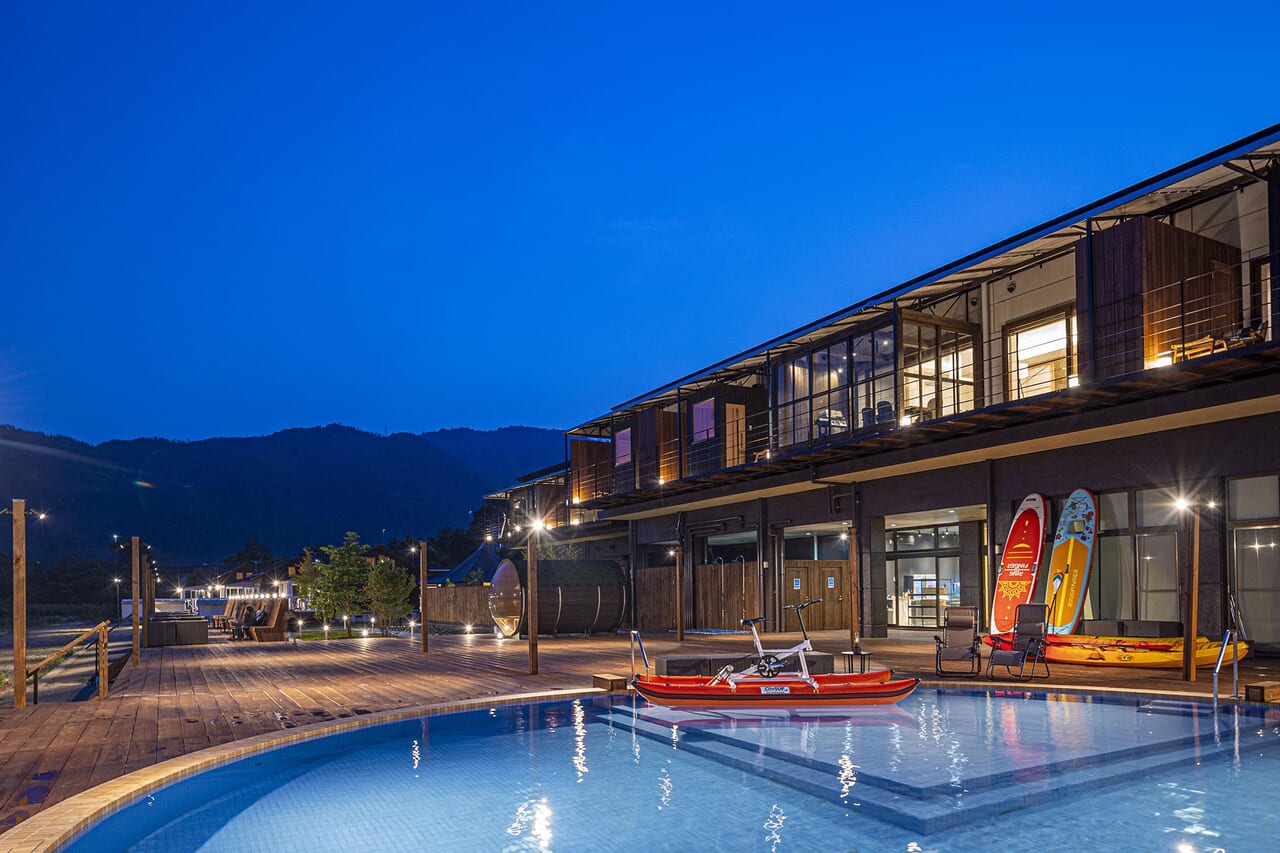
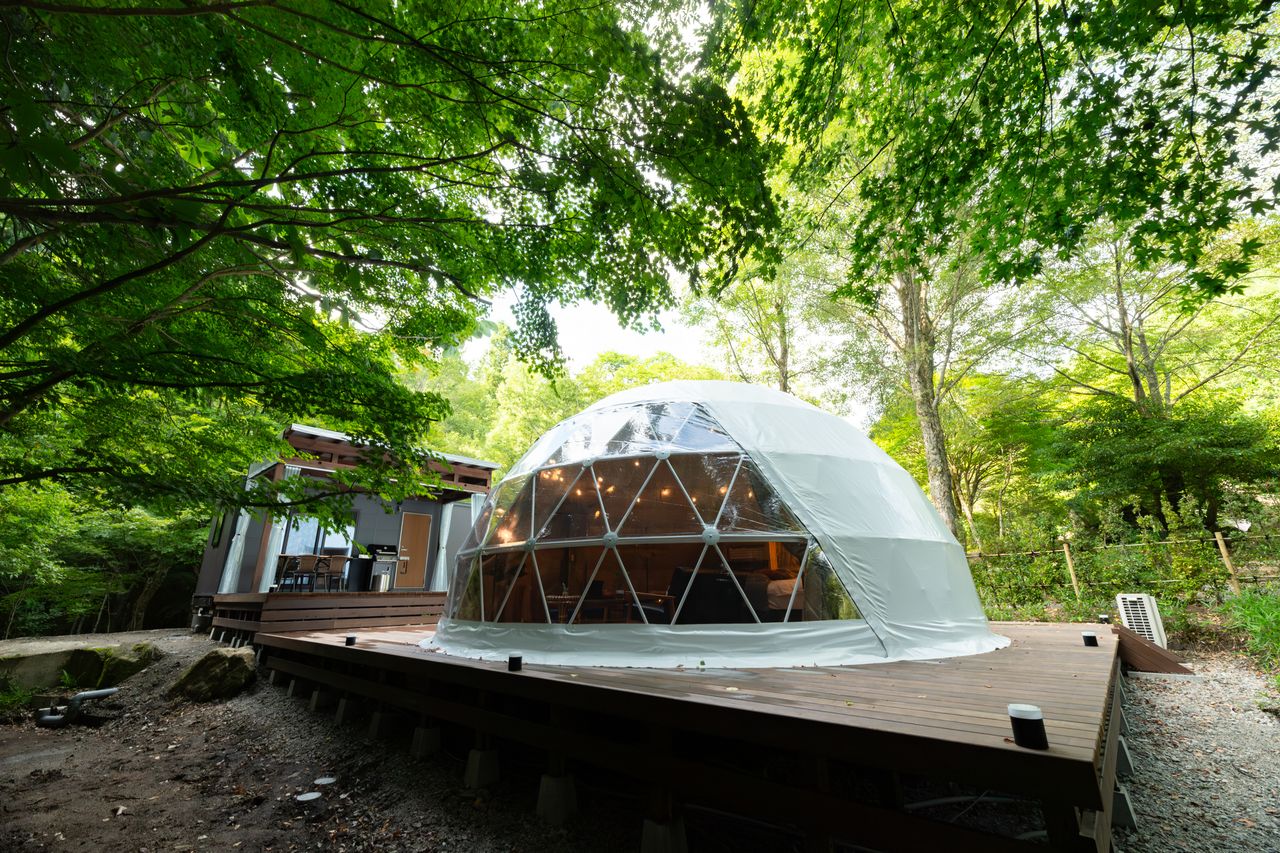
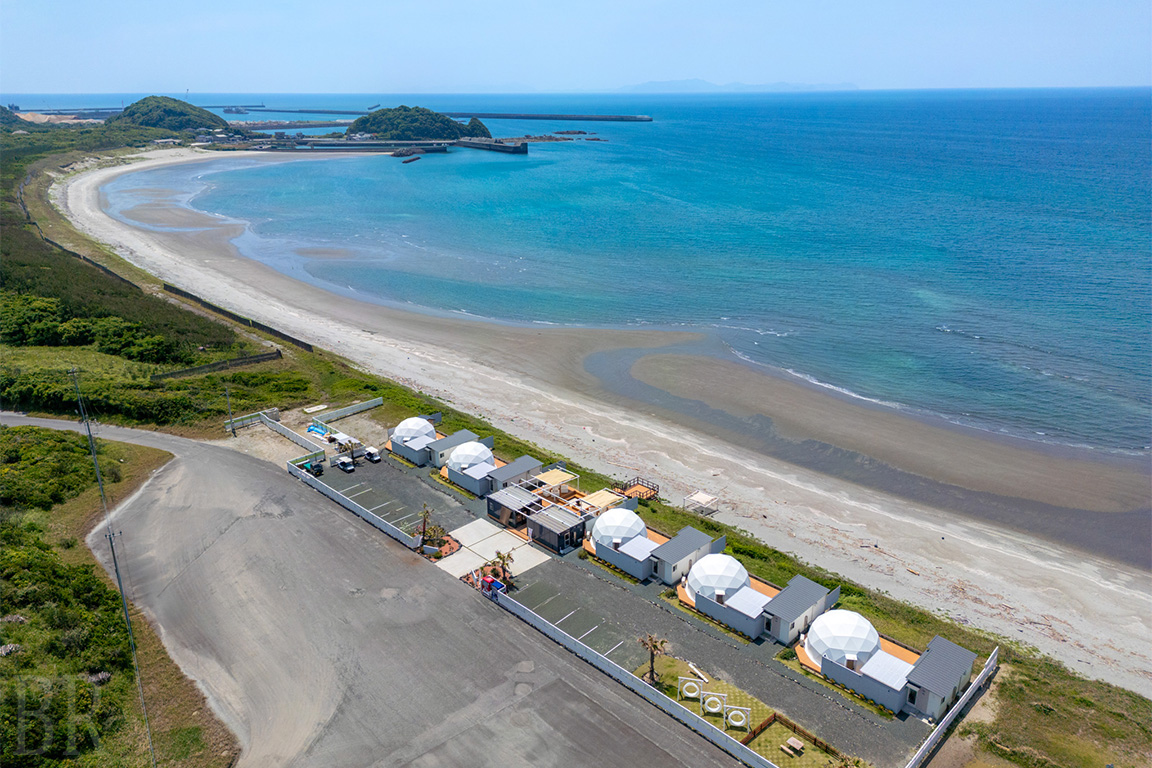
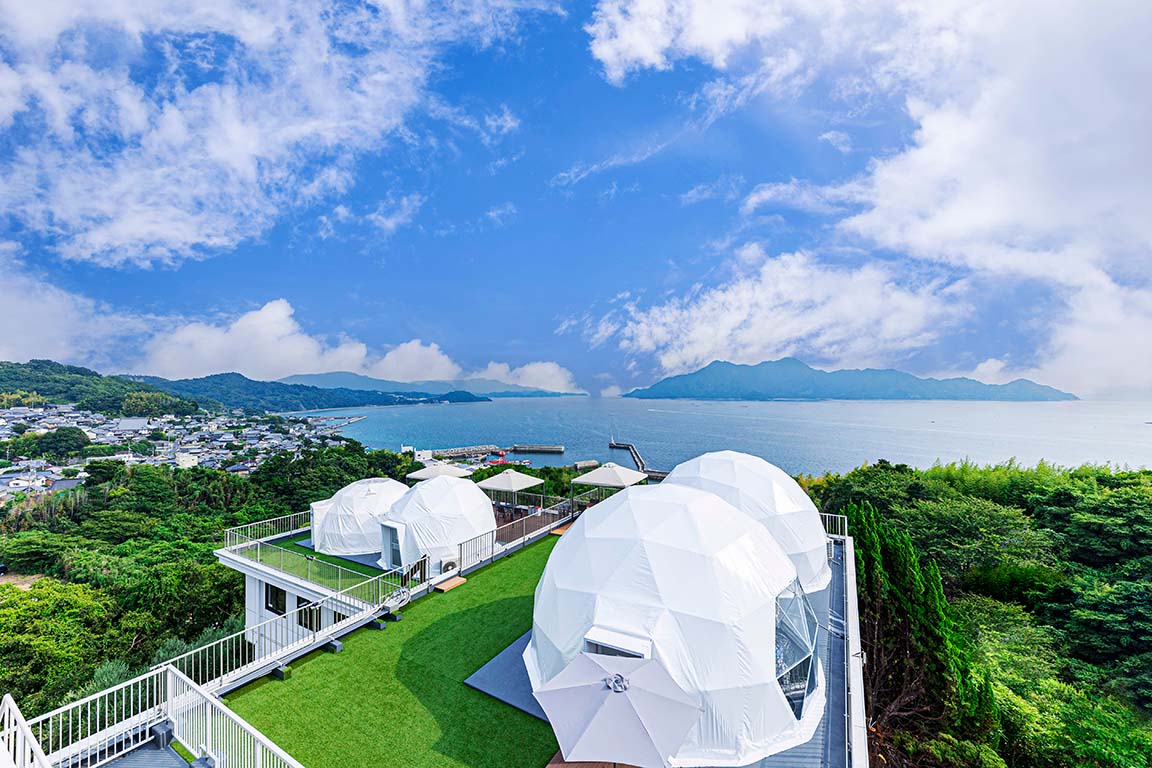
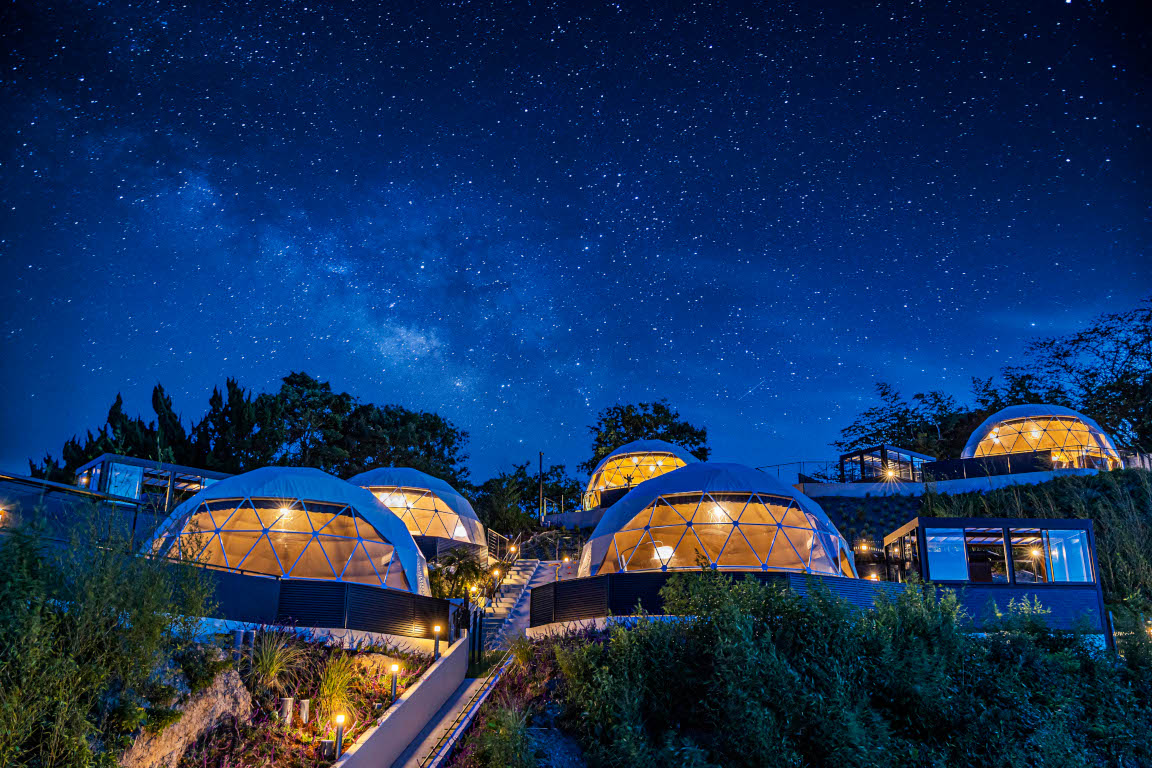
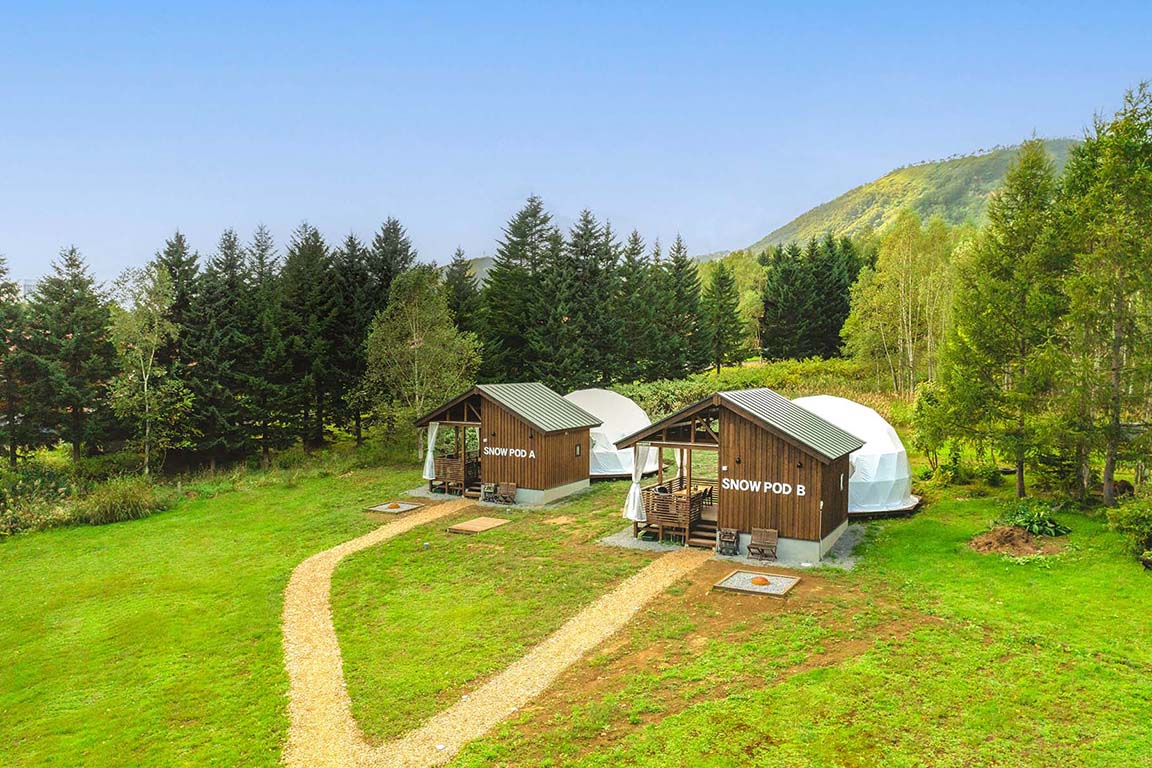
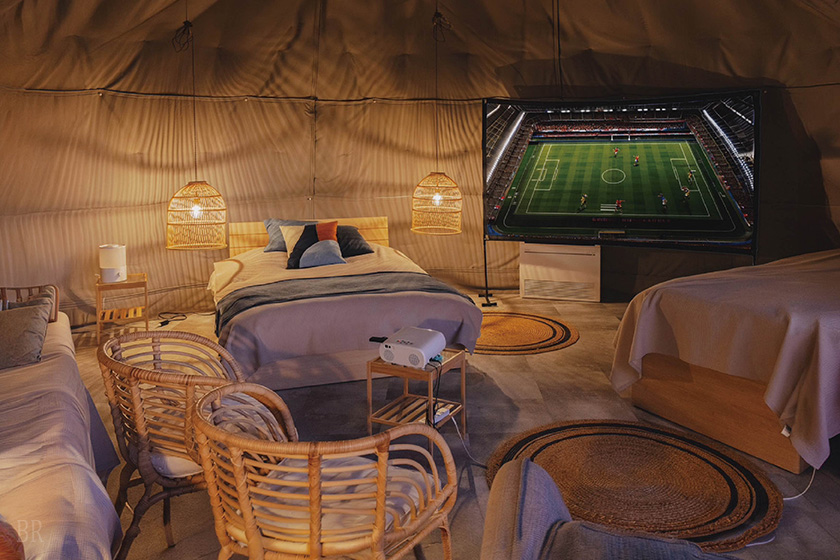
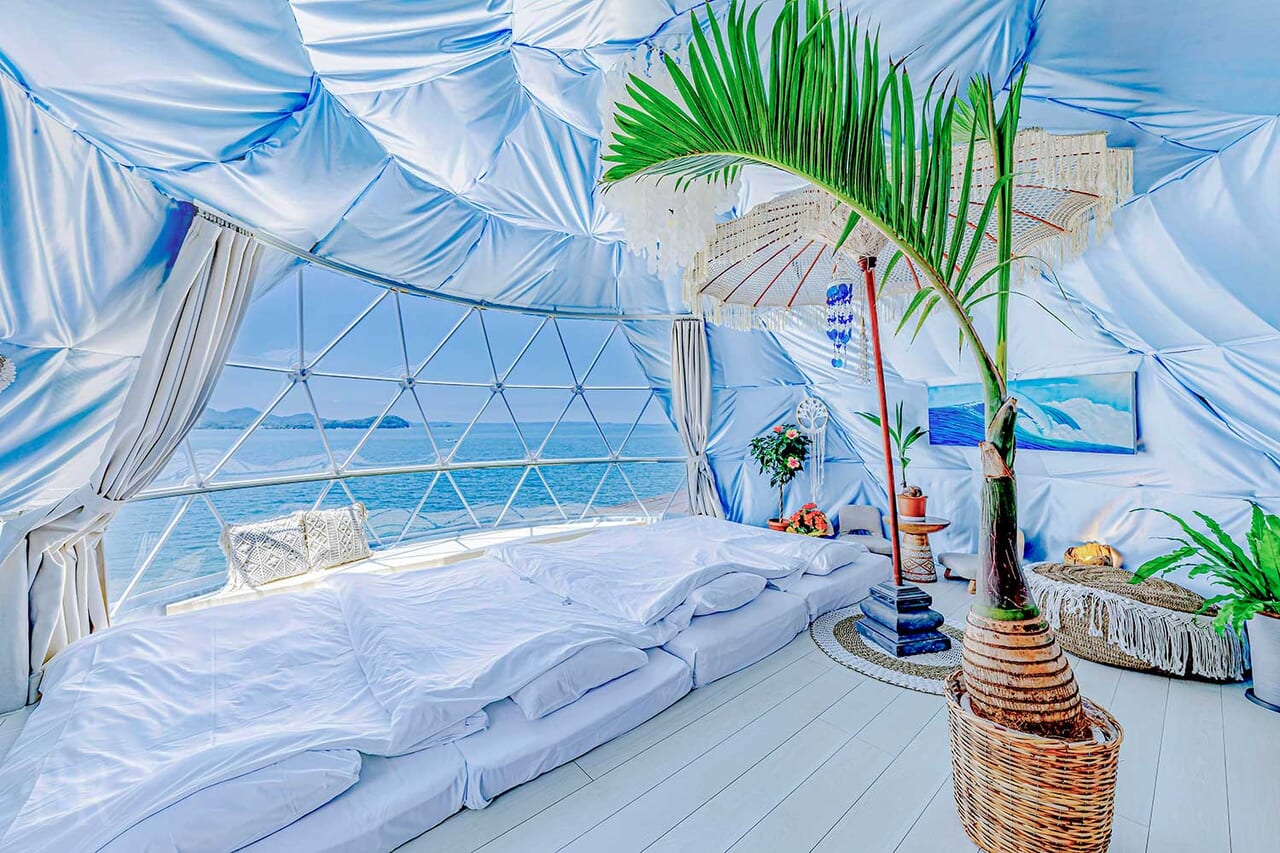
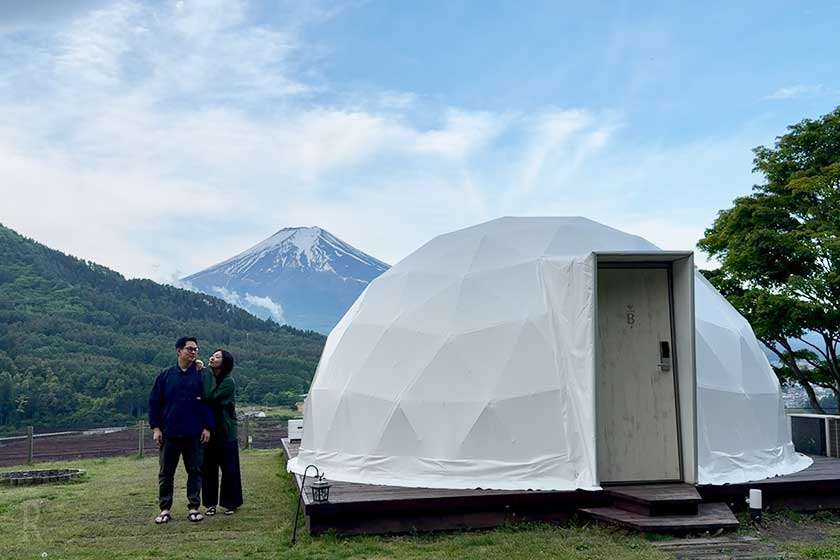
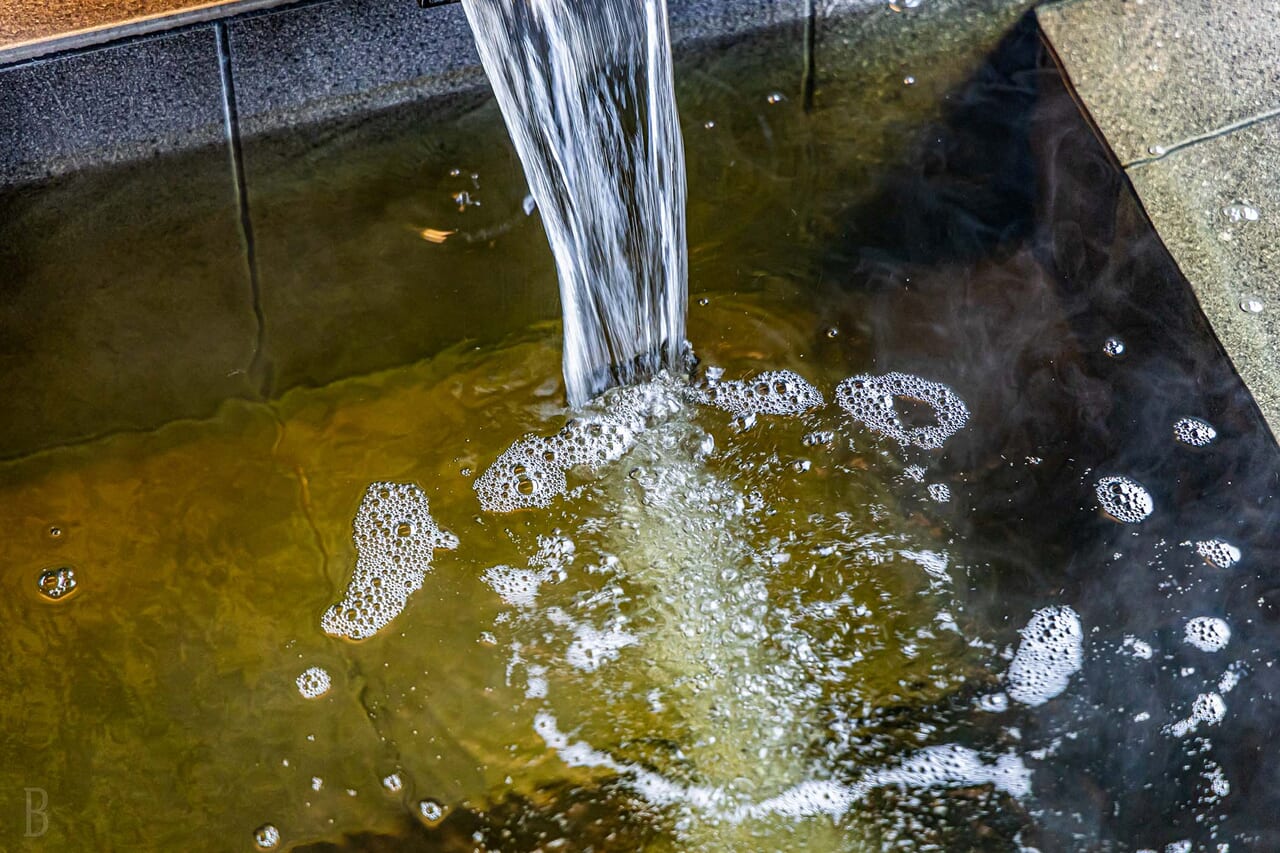
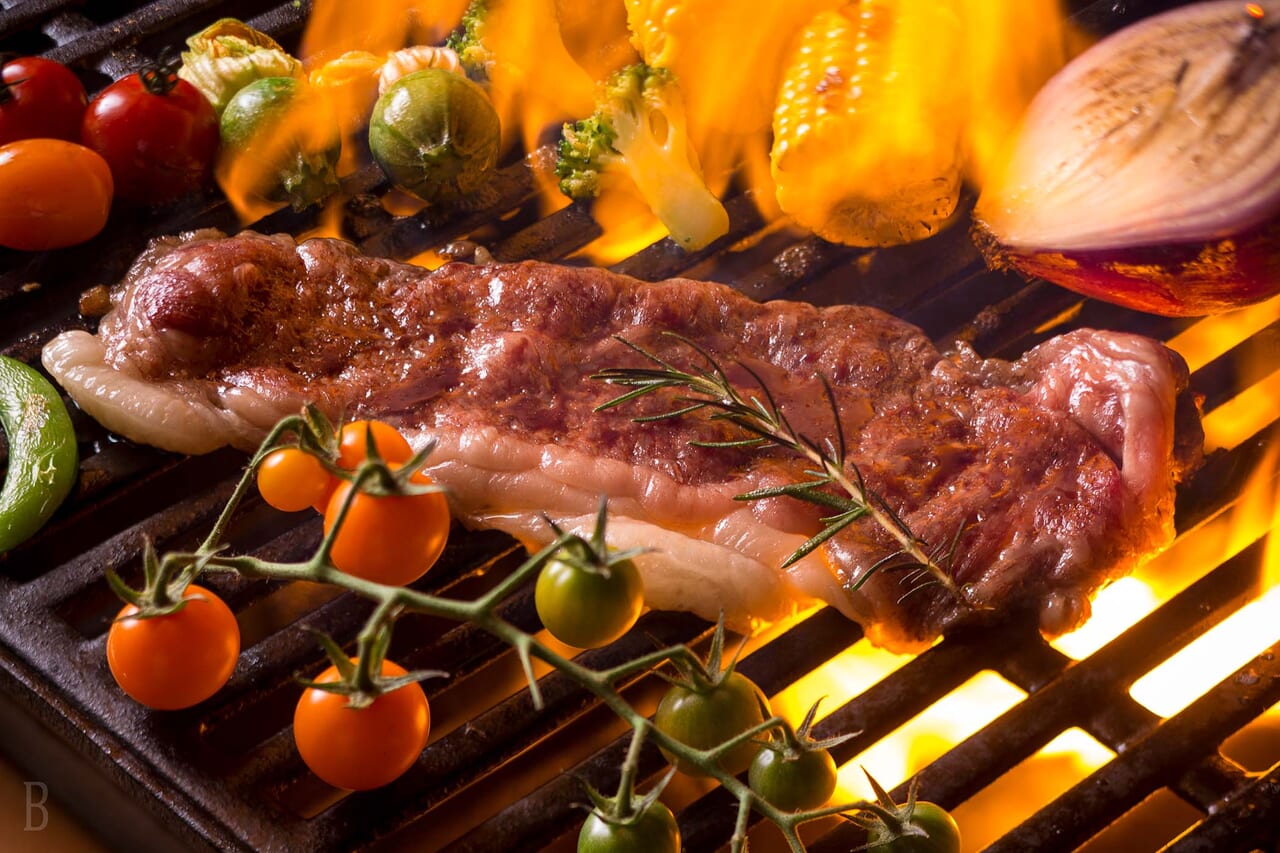
This glamping facility is located about a 15-minute drive from downtown Otaru. The dome-shaped tents, predominantly in beige, are equipped with air conditioning and heating that can be used all year round. At night, you can enjoy the night view of Otaru, known as one of Hokkaido's three best night views. For dinner, a Genghis Khan BBQ is available, which can be enjoyed indoors. Across from the facility is the Asarigawa Onsen hot spring, where guests can enjoy the chloride spring, known for its heat-retaining properties, at a discounted rate. Furthermore, there is a wood-burning stove sauna where you can enjoy löyly (steam) yourself.
For day trips from Sapporo, Otaru, Biei/Furano, Asahikawa/Asahiyama Zoo, and Lake Toya/Noboribetsu are recommended.
Otaru, Asahikawa, and Lake Toya/Noboribetsu are accessible by JR train. On the other hand, Biei/Furano and the Shakotan Peninsula have tourist spots that are spread out over a wide area, so if you don't have a car, a regular sightseeing bus is recommended. In winter, roads freeze, so if you are not used to driving on snowy roads, it is safer to avoid traveling by rental car.
The cost of a trip to Hokkaido varies greatly depending on the season and the grade of accommodation. Besides airfare, the main expenses are accommodation in Sapporo and daily transportation costs such as JR trains and sightseeing buses. Airfare and accommodation prices tend to be higher during the lavender season in July and the Sapporo Snow Festival in February.
If you're visiting Hokkaido for the first time, we recommend starting with Otaru, which is easily accessible from Sapporo, and then combining it with Biei/Furano or Lake Toya/Noboribetsu. If you visit one area per day, you can easily sightsee using JR trains and regular sightseeing buses. If you have extra time in your itinerary, we also recommend changing your stay to a luxury glamping site around Otaru or Lake Toya for one night. You can enjoy the night view while soaking in a hot spring in the evening, and wake up the next morning amidst the magnificent nature of Hokkaido, enjoying a Hokkaido trip that is a little different from a day trip.

He is an editor at Resort Glamping.com, a glamping-focused media outlet visited by approximately 100 million people a month. He has written over 150 articles introducing glamping facilities and experience reports, and is involved in a wide range of glamping facility services, from planning and development to operation and customer acquisition consulting.