
Resort Glamping.com
Nationwide (Hokkaido, Tohoku, Kanto, Koshinetsu, Kansai, Tokai, Chugoku, Shikoku, Kyushu, Okinawa)
Resort Glamping.com
Nationwide (Hokkaido, Tohoku, Kanto, Koshinetsu, Kansai, Tokai, Chugoku, Shikoku, Kyushu, Okinawa)
September 8, 2026
At Ise Grand Shrine, the Shikinen Sengu ceremony takes place every 20 years, in which all the shrine buildings are rebuilt and the sacred object is moved to the new buildings. This is one of the largest Shinto rituals in Japan, with a history spanning approximately 1300 years. The last Shikinen Sengu, the 62nd, was held in 2013, attracting approximately 1,400 million visitors to Ise. Currently, preparations are underway for the 63rd Shikinen Sengu (2033). This article will provide detailed information on the correct order of worship at Ise Grand Shrine, the highlights of the Outer and Inner Shrines, goshuin (shrine stamps) and amulets, Okage Yokocho and Ise-Shima cuisine, and even recommended accommodations.
table of contents
Ise Grand Shrine is not just any ordinary shrine.
Officially, it refers to the entire shrine complex, which consists of 125 shrines, with the two main shrines at its center: "Kotai Jingu (Naiku)" and "Toyouke Daijingu (Geku)".
In addition, it comprises 14 separate shrines and 109 subsidiary shrines, subordinate shrines, and affiliated shrines, totaling 125 shrines.
| Outer Shrine (Toyouke Daijingu) | Naiku (Ise Grand Shrine) | |
|---|---|---|
| Deity | Toyouke-Ōmikami | Amaterasu Omikami |
| The role of God | The god who presides over the food of Amaterasu Omikami | The supreme deity of Japanese mythology and the ancestral deity of the Imperial family. |
| Order of worship | First, we visited the shrine. | Later, I visited the shrine. |
| First Detached Shrine | 多賀宮 | Aramatsuri Shrine |
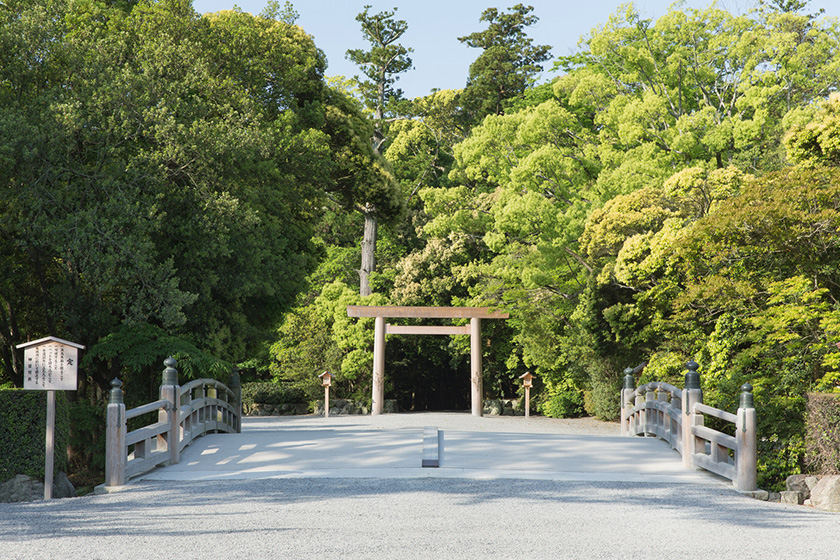
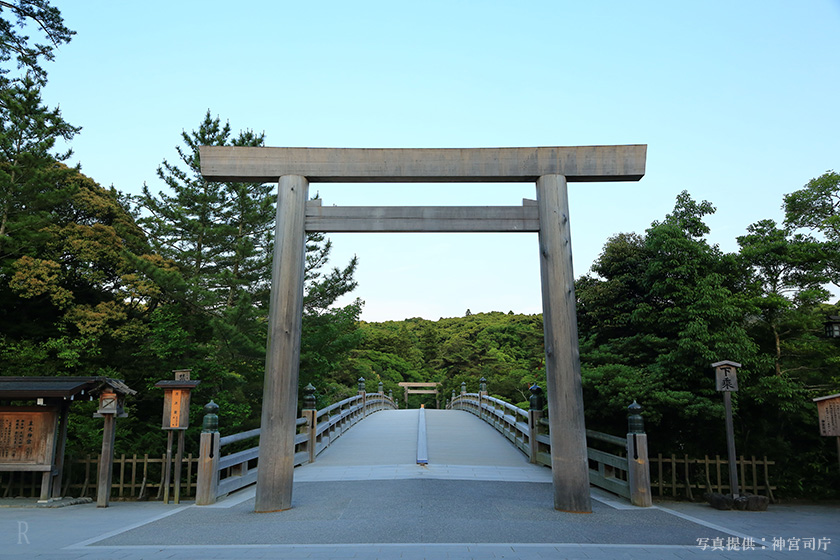
Photo courtesy of the Jingu Shrine Administration Office
At Ise Grand Shrine, the proper order of worship is to first visit the Outer Shrine (Geku) and then the Inner Shrine (Naiku).
This is not superstition, but rather a result of the ancient ritual system of the shrine that has been passed down through generations.
Toyouke-Ōmikami, the deity enshrined at the Outer Shrine, is the god who oversees the meals of Amaterasu-Ōmikami, the deity enshrined at the Inner Shrine.
Therefore, all festivals at Ise Grand Shrine are first held at the Outer Shrine (Geku), and then at the Inner Shrine (Naiku). This tradition is called "Geku Sensai" (Outer Shrine First Festival).
In the past, pilgrims would first perform a purification ritual with seawater at Futami Okitama Shrine in Futamiura, and then proceed to Ise Grand Shrine.
This area also features the famous "Meoto-iwa" (Married Couple Rocks), one of the most representative scenic spots in Ise-Shima.
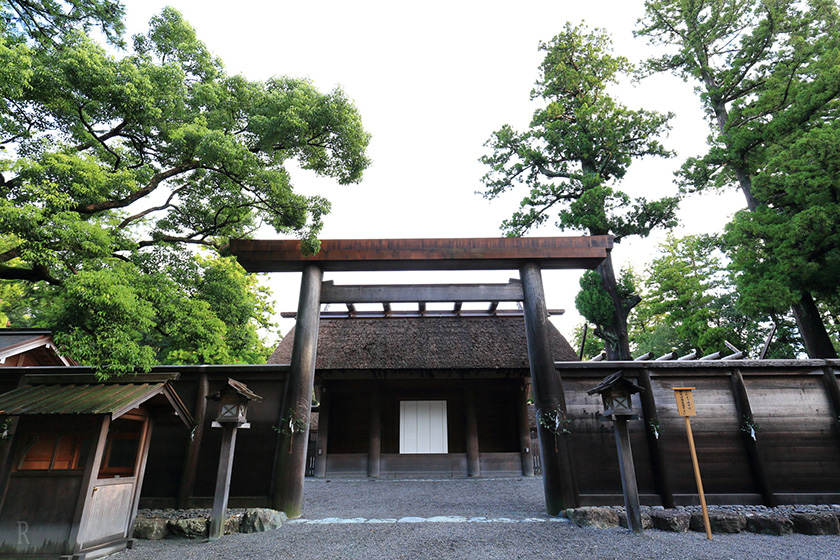
Photo courtesy of the Jingu Shrine Administration Office
Many people make wishes at the main shrines of the Outer and Inner Shrines.
However, the main shrine is actually a place to express gratitude to the gods.
It is considered good practice to express daily gratitude to Amaterasu Omikami and Toyouke Omikami.
So where do you make your wishes?
It is a local tradition to offer prayers at the First Auxiliary Shrine.
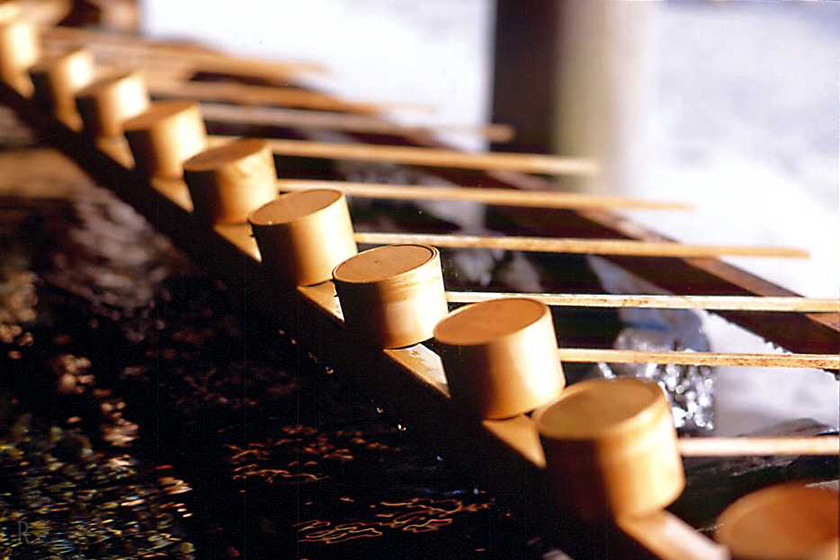
Photo courtesy of the Jingu Shrine Administration Office
Ise Grand Shrine opens its gates at 5 a.m. throughout the year.
Only the closing time varies depending on the season.
| Period | Worshiping time |
|---|---|
| January-April and September | 5:00 ~ 18:00 |
| March to November | 5:00 ~ 19:00 |
| March to November | 5:00 ~ 17:00 |
*Please check the official website in advance as there will be special hours during the New Year's holiday period.
Please note that the distribution of Goshuin (temple/shrine stamps) and amulets will begin around 6:00 AM.
Even if you visit the temple at 5 AM, you won't be able to receive a temple stamp or amulet until around 6 AM.
Ise Grand Shrine offers a variety of amulets.
| Mimori | Interest |
|---|---|
| Mimori | Health & Happiness |
| Lucky charm bell | Good luck charm (with bell) |
| Traffic safety amulet | Traffic safety/travel safety |
| A good luck charm for academic success | Prayer for academic success and passing exams |
| Amulet to ward off evil | Protection against evil and misfortune |
| Easy delivery amulet | 安産祈願 |
| Purification | Health & Happiness |
| Umiyuki no Mamoru | Prayers for safety at sea and a bountiful catch |
Official site:https://www.isejingu.or.jp/visit/amulet/naiku.html#amulet
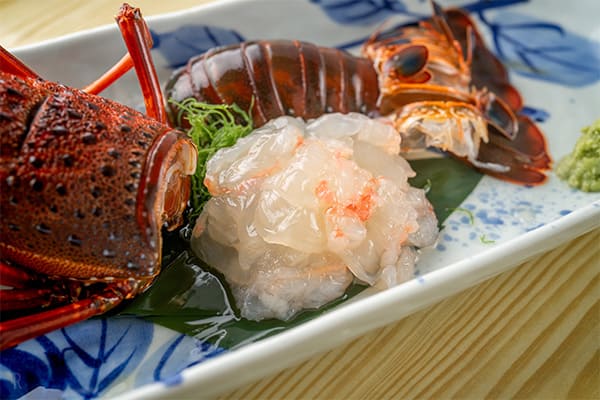
Photo courtesy of Mie Prefecture Tourism Federation
This is a high-end ingredient representative of the Ise-Shima region.
The fishing ban is in effect from around May to mid-September each year, so the peak season is from autumn to winter.
Sashimi, grilled shellfish, and miso soup are standard dishes.
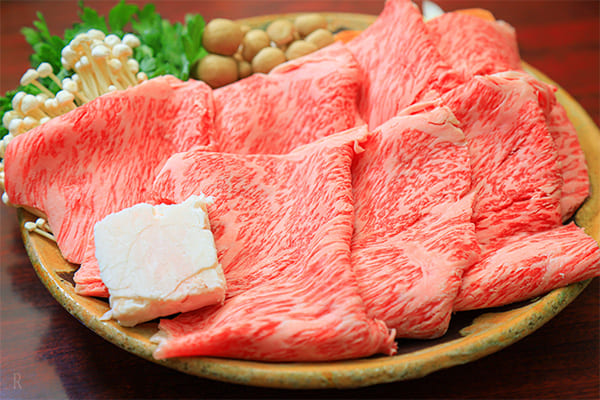
Photo courtesy of Mie Prefecture Tourism Federation
This is a representative brand of beef from Mie Prefecture and is one of Japan's three major wagyu brands.
In Oharai-machi, street food such as Matsusaka beef sushi and croquettes are also popular.
If you want to enjoy authentic steak or sukiyaki, Ise City or Matsusaka City are recommended.
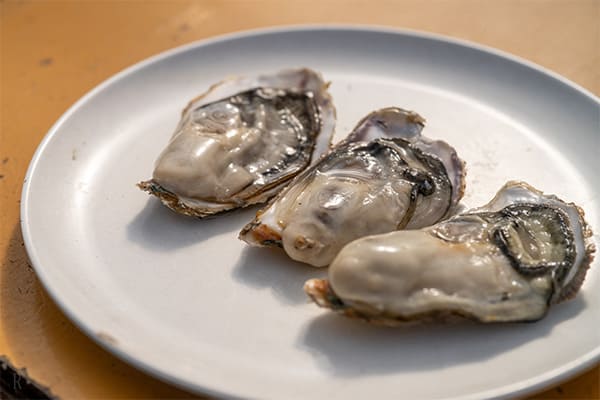
Photo courtesy of Mie Prefecture Tourism Federation
Uramura in Toba City and Matoya in Shima City are well-known oyster producing areas in the Kansai region.
At the "Oyster Hut," which is open only during the winter season, you can enjoy all-you-can-eat oysters.

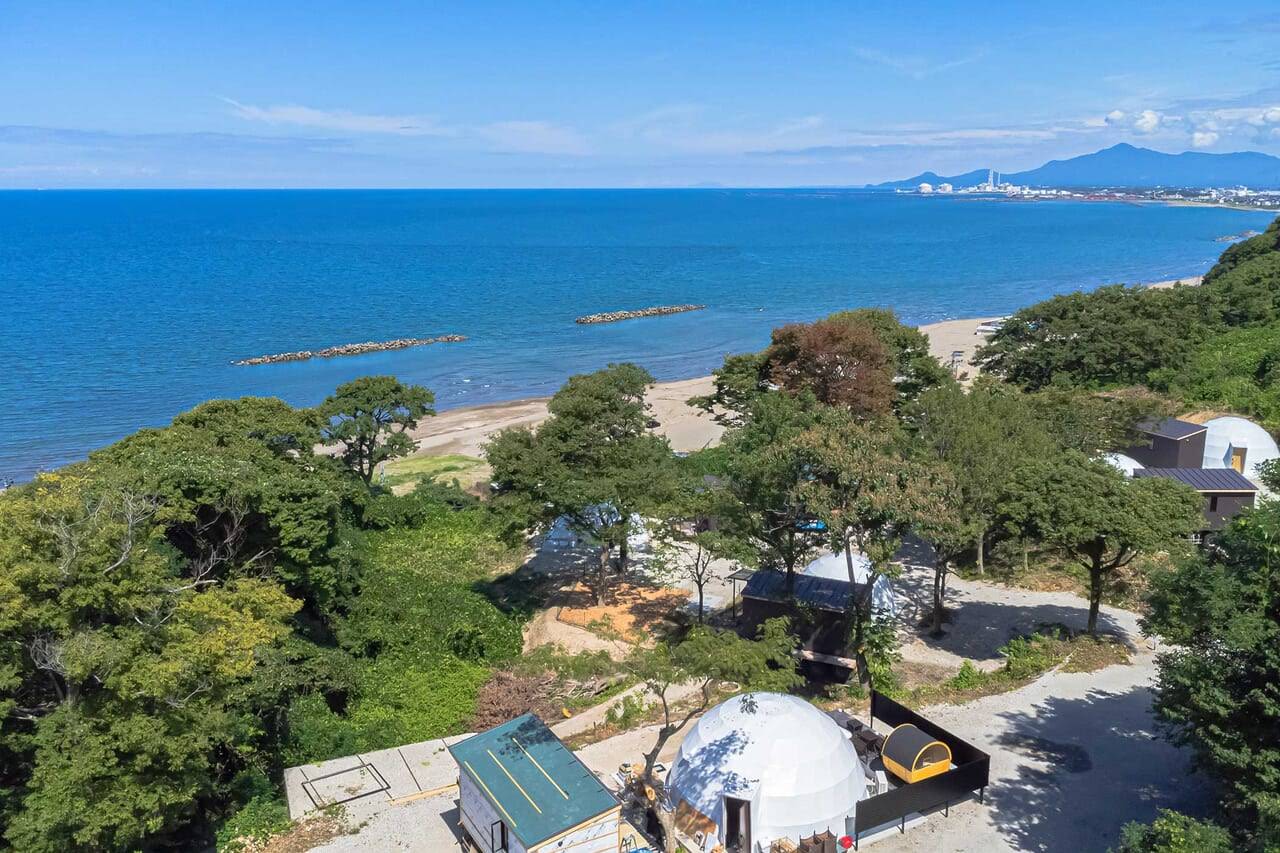
A popular glamping facility located in the Ise-Shima/Kashikojima area.
In addition to a wide range of activities such as SUP, kayaking, fishing, and snorkeling, the facility also features a private BBQ area, a tent sauna, and a starlit bar offering over 20 types of cocktails.
Haagen-Dazs's service is also popular.

Located in an area of Mie Prefecture where you can enjoy beautiful sunsets and starry skies, this luxurious private villa boasts one of the largest guest rooms in the region. Amenities include a private sauna, a vegetable market, and a private swimming pool.
For dinner, you can enjoy luxurious ingredients such as Matsusaka beef fillet, domestic beef short ribs, Ise healthy pork shoulder loin, spiny lobster, and Japanese Black beef. This is a special accommodation where you can enjoy a BBQ while gazing at a beautiful starry sky in an area selected as one of "Japan's Top 100 Sunset Spots."
No.
You can visit the shrine from 5:00 AM, but the distribution of goshuin (stamped seals) and amulets begins around 6:00 AM.
After visiting the shrine, head to the Kagura Hall after 6:00 PM.
to do so.
On the contrary, it has value precisely because of the current situation.
During the period leading up to the Shikinen Sengu (periodic rebuilding of the shrine), you can experience events that only happen once every 20 years, such as the Okihiki (log-pulling) ceremony and the Oshiraishimochi (white stone-carrying) ceremony.
For over 1300 years, Ise Grand Shrine has rebuilt its shrine buildings every 20 years, passing on its techniques and faith to the next generation.
This tradition itself can be considered a unique cultural phenomenon, even within Japan.
The period from 2026 to 2033, when the Shikinen Sengu (periodic rebuilding of the shrine) takes place, is a precious time to witness the unfolding of history.
When visiting Ise Grand Shrine, it's recommended to visit the Outer Shrine first, then the Inner Shrine, and to remember that visits begin at 5 AM, with the Goshuin (shrine stamp) available from 6 AM onwards. This will make your trip more fulfilling.

He is an editor at Resort Glamping.com, a glamping-focused media outlet visited by approximately 100 million people a month. He has written over 150 articles introducing glamping facilities and experience reports, and is involved in a wide range of glamping facility services, from planning and development to operation and customer acquisition consulting.