
Resort Glamping.com
Nationwide (Hokkaido, Tohoku, Kanto, Koshinetsu, Kansai, Tokai, Chugoku, Shikoku, Kyushu, Okinawa)
Resort Glamping.com
Nationwide (Hokkaido, Tohoku, Kanto, Koshinetsu, Kansai, Tokai, Chugoku, Shikoku, Kyushu, Okinawa)
October 9, 2026
There are over 3,000 campsites throughout Japan. However, you can't just pitch a tent anywhere in Japan; you generally need to use an officially designated campsite. Typical campsite fees range from approximately 3,000 to 8,000 yen per site per night, while glamping costs around 20,000 yen per person and up. Particularly popular camping areas include those at the foot of Mt. Fuji, Lake Motosu, and Lake Kawaguchi. The best seasons for camping are April-May and October-November. This article will provide a comprehensive overview of recommended camping areas in Japan, including fees, rules, best seasons, and access methods. If you want to freely explore different locations, renting a campervan in Japan is also a good option. Travelers from Taiwan will need a Japanese translation of their driver's license, and travelers from Hong Kong will need an international driving permit.
table of contents
Camping styles in Japan can be broadly divided into three types: traditional camping where you set up your own tent, overnight stays in vehicles such as campervans, and glamping, where tents, beds, meals, and other amenities are provided in advance.
| Types | equipment | Reference price (per night) | Recommended Travelers |
|---|---|---|---|
| General camping | Bring your own or rent one locally. | Approximately 3,000 to 8,000 yen per site | For those with camping experience, or those who want to enjoy camping by car. |
| Camper van | The vehicle is equipped with beds and other amenities. | Rental fee: approximately 15,000 to 30,000 yen per day. | People who want to travel while visiting multiple tourist destinations |
| Glamping | Almost all the necessary equipment is available. | Approximately 20,000 yen per person (often includes dinner and breakfast) | Couples, families, and first-time campers |
The prices listed above are for reference only. Please check the official websites of each campsite or rental car company for actual prices.
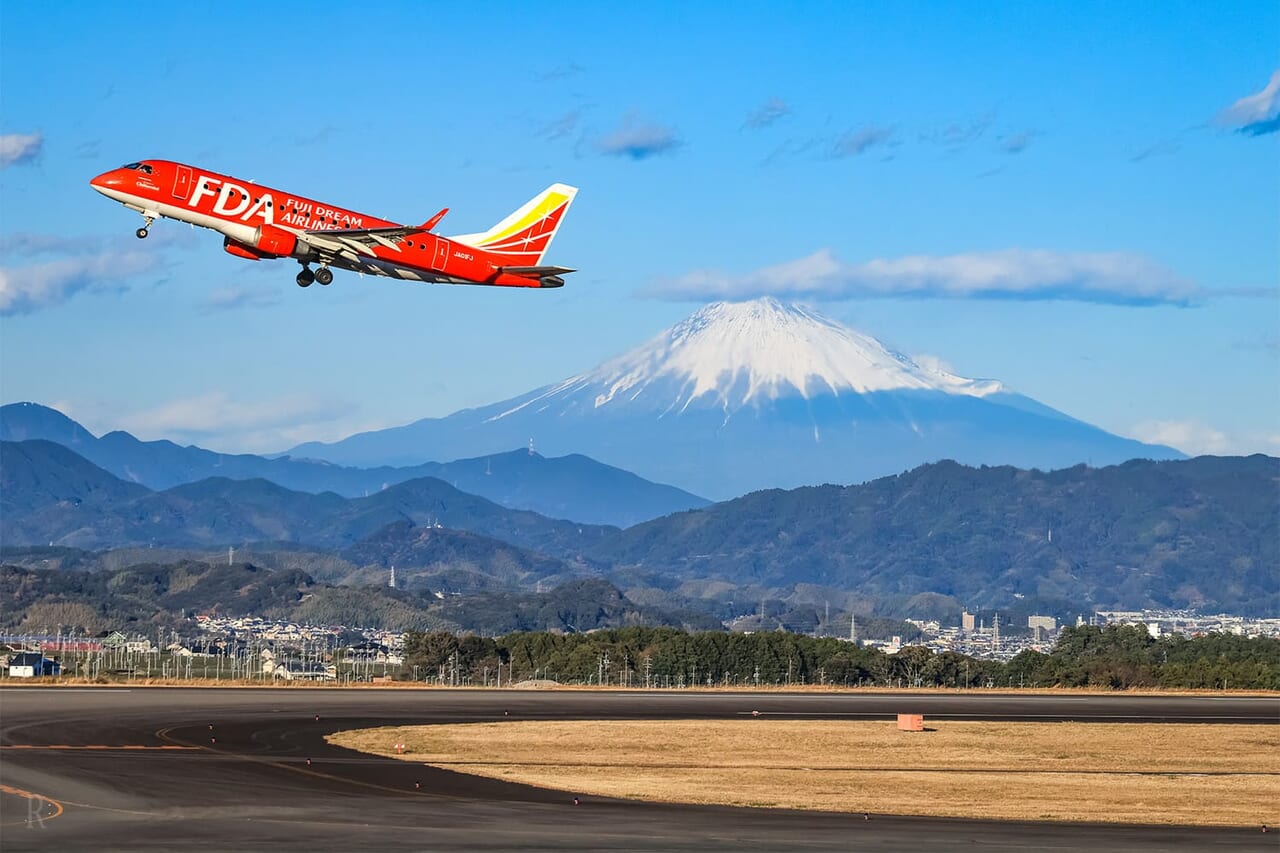
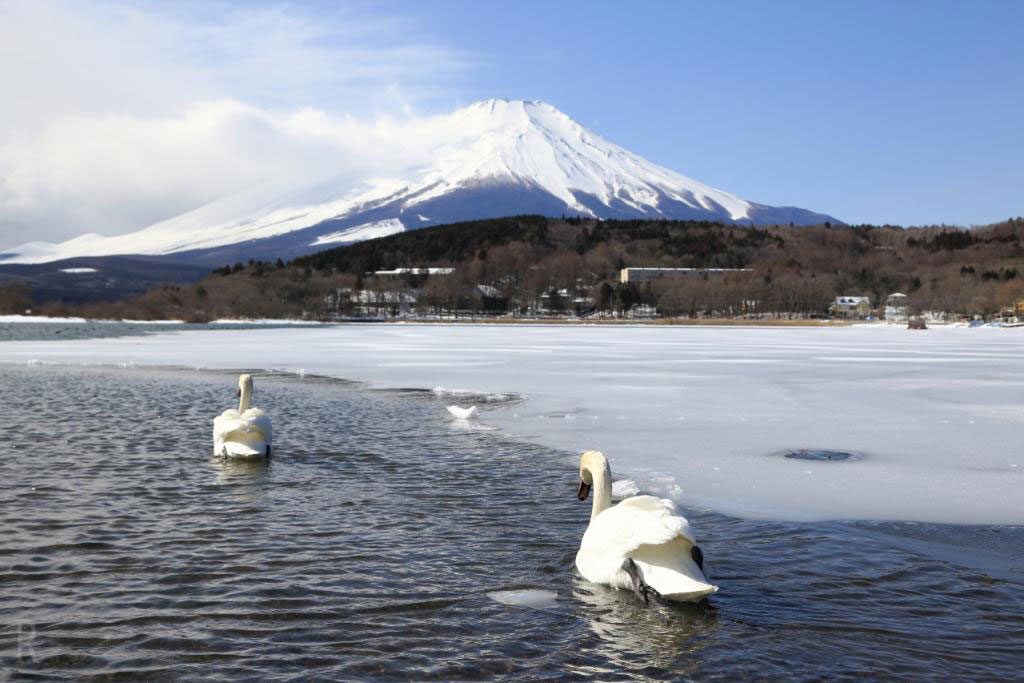
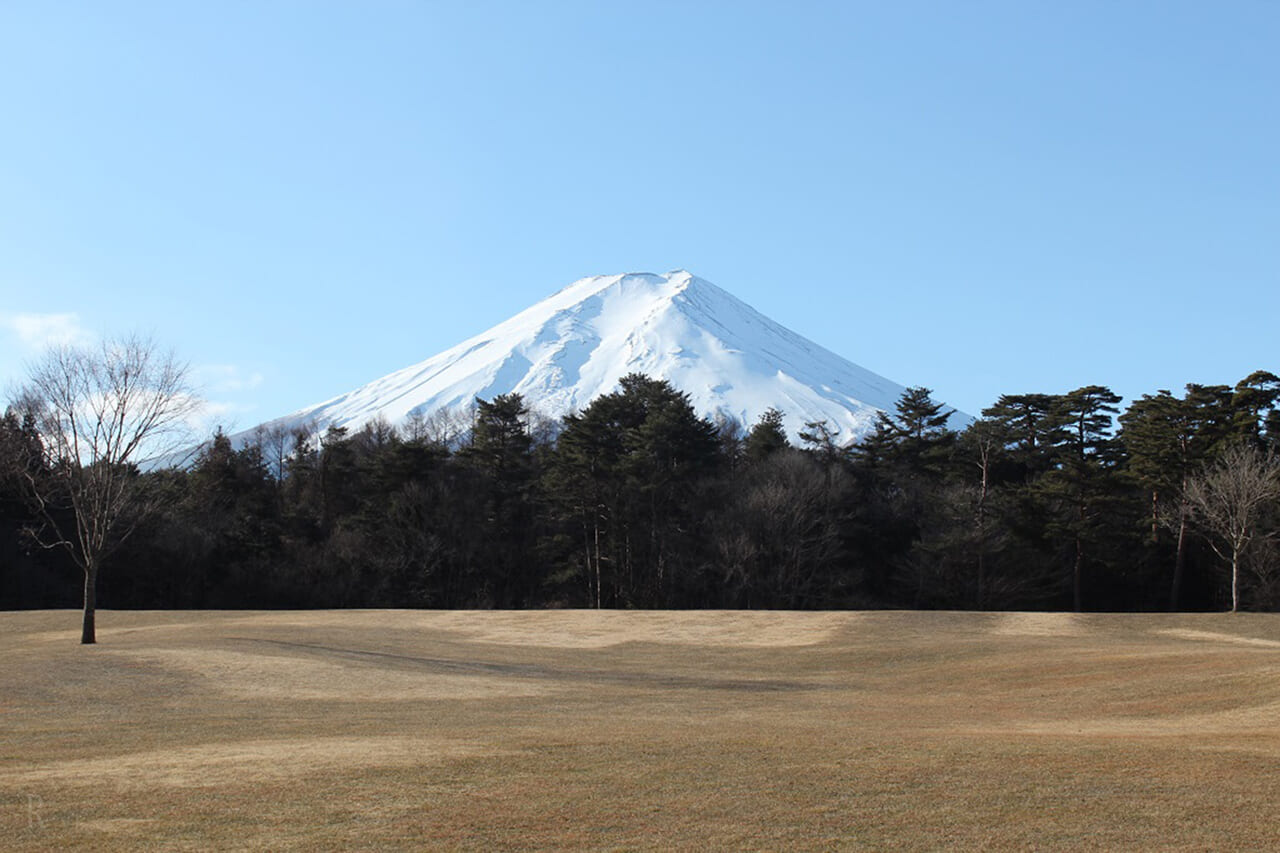
Campsites around Mount Fuji are scattered throughout areas such as the Asagiri Plateau in Shizuoka Prefecture. In places with vast grasslands and few obstructions to the view, you can enjoy the breathtaking scenery of Mount Fuji unfolding before your eyes the moment you open your tent. There are also spots around Mount Fuji that are known as the setting or inspiration for the anime "Yuru Camp".
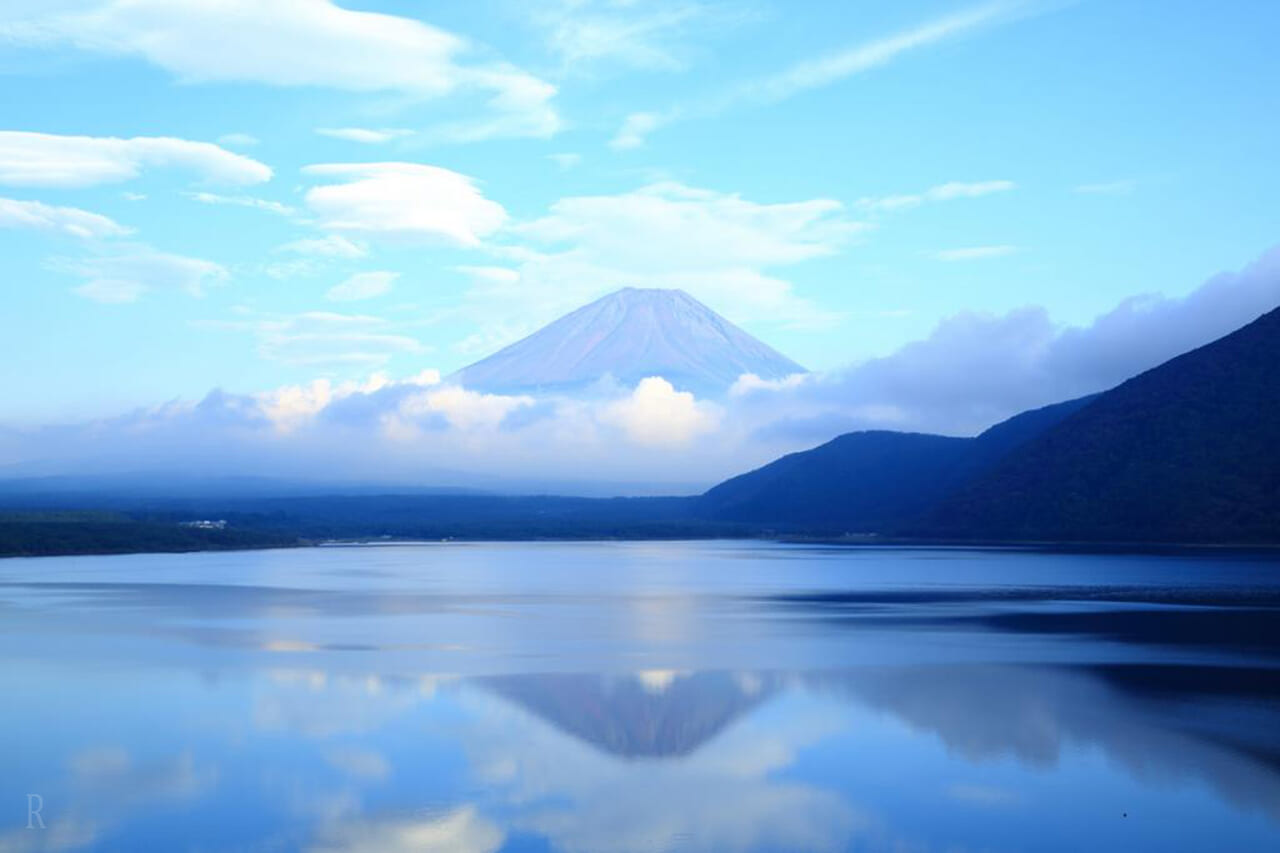
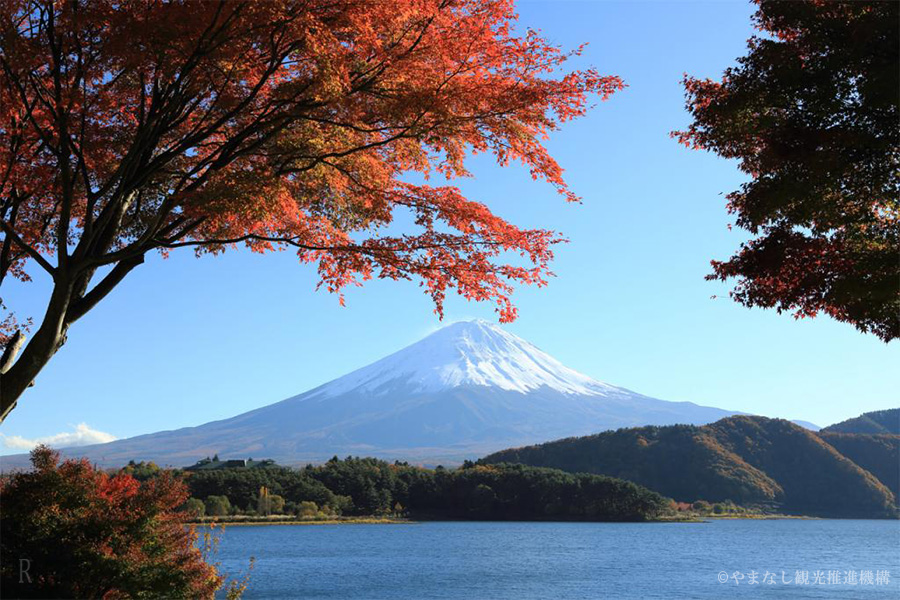
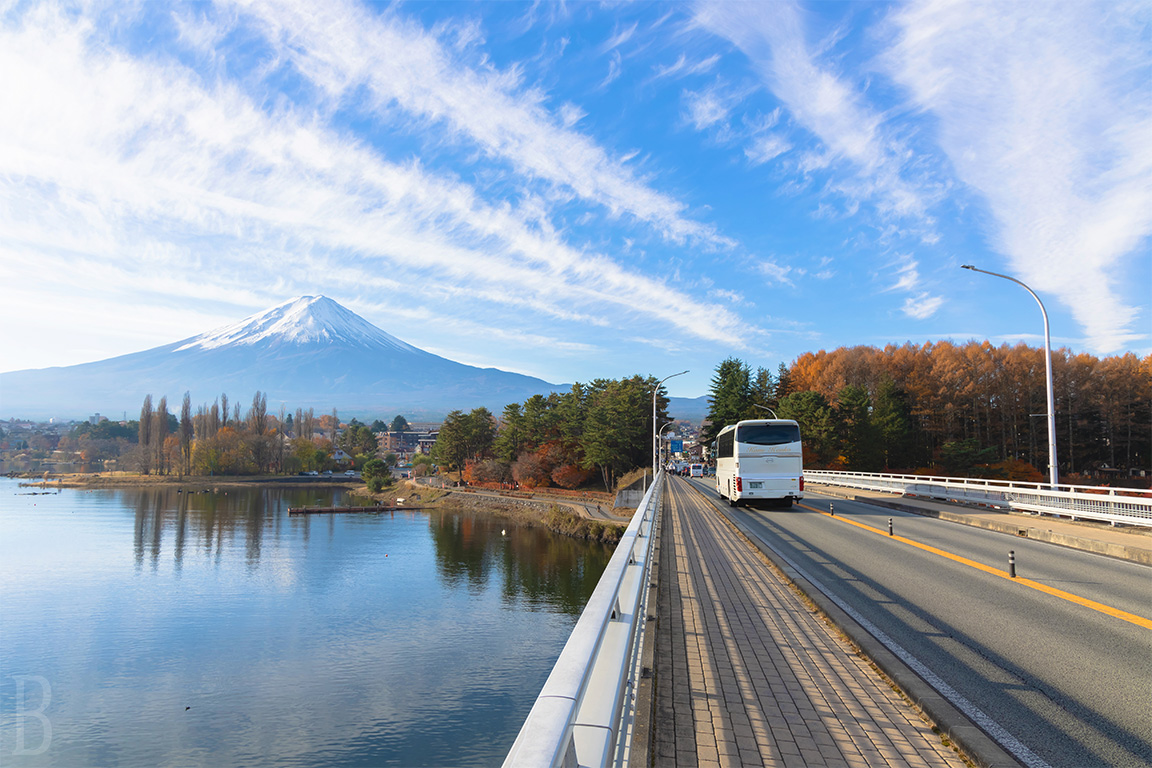
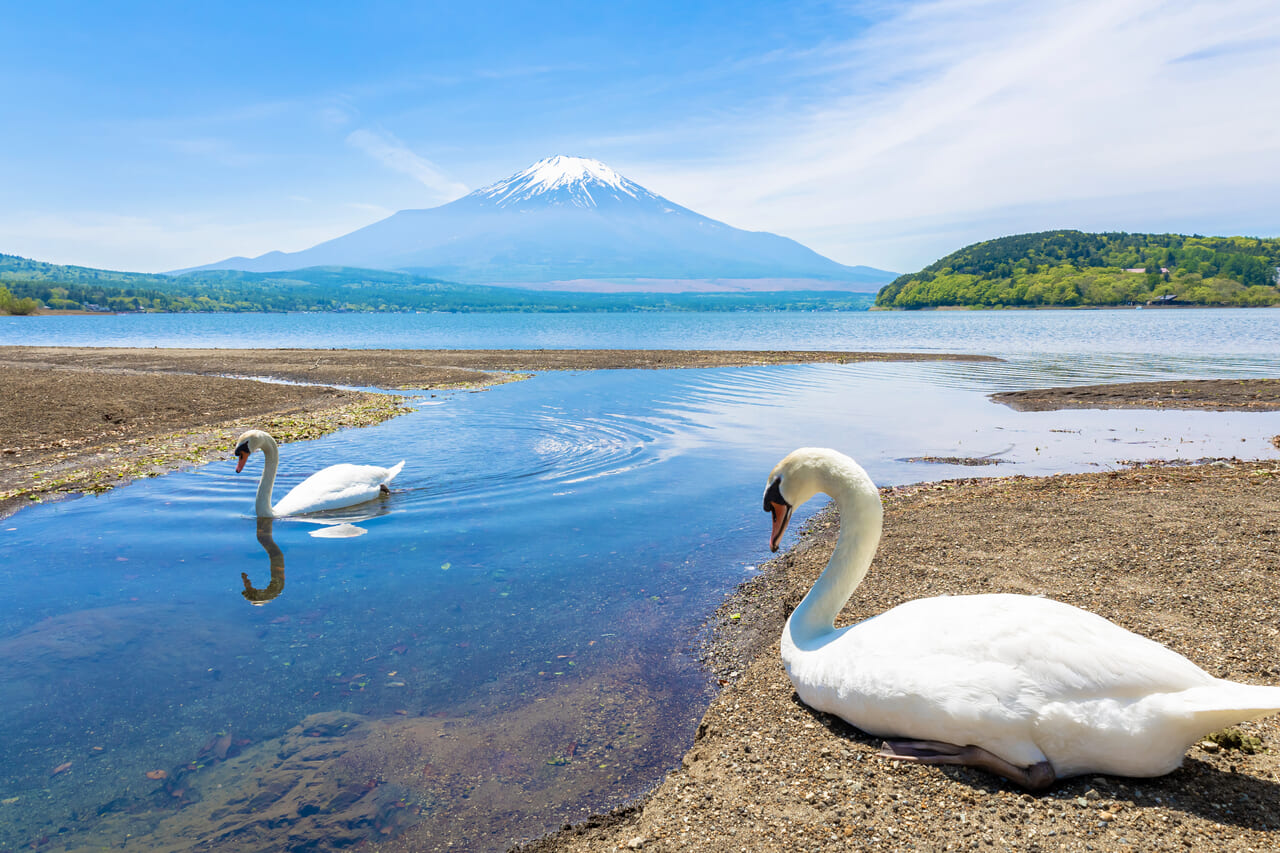
This campsite is located on the shores of Lake Motosu, the westernmost of the Fuji Five Lakes. The image of Mount Fuji depicted on the back of the old 1,000 yen banknote is known to have been inspired by the view from around Lake Motosu. From the lakeside campsite, you can sometimes see Mount Fuji and its reflection on the lake's surface, making it a great spot for those who want to photograph the early morning scenery.
Address: 2926 Nakanokura, Minobu-cho, Minamikoma-gun, Yamanashi Prefecture
Access: Primarily by car. Approximately 30 minutes from Kawaguchiko Interchange.
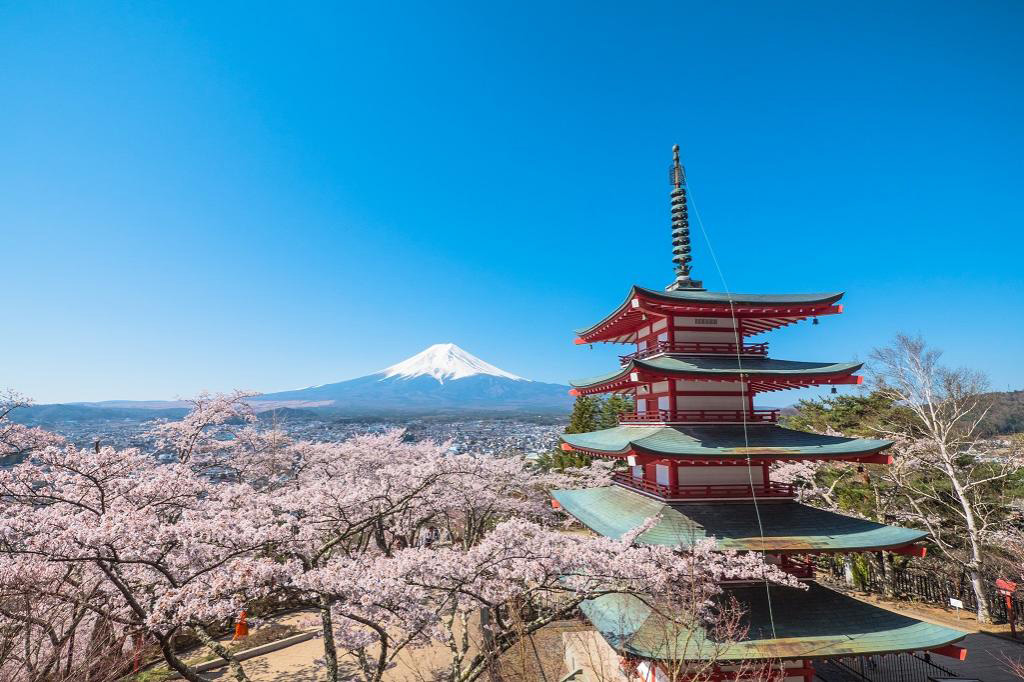
The area around Lake Kawaguchi is the most easily accessible of the Fuji Five Lakes, and can be reached in about two hours by express bus from Shinjuku. There are several campsites and glamping facilities along the lakeshore, and you can also visit popular tourist spots such as Oishi Park and Chureito Pagoda.
| Area | Sights | Best season | Highlights |
|---|---|---|---|
| Hokkaido | Biei, Tokachi, Lake Shikotsu | July to August | It's cool even in summer, and you can enjoy flower fields and starry skies. |
| Nagano | Yatsugatake, Hakuba, Ina Valley | July to August | A summer resort in the highlands, offering breathtaking views of the Northern and Southern Alps. |
| Kansai | Near Kyoto, Lake Biwa | July to August | Easy to combine with sightseeing in Kyoto |
| Kyusyu | Aso, Kuju | July to August | Volcanic grassland scenery and abundant hot springs |

This glamping facility is located on a hill overlooking the northern shore of Lake Kawaguchi, with few obstructions to the view. Even on bad weather days, you can enjoy meals in the all-weather private BBQ area, and from inside your tent, you can enjoy panoramic views of Mt. Fuji and Lake Kawaguchi. In the all-weather BBQ area, you can savor ingredients unique to Yamanashi Prefecture, such as Koshu wine beef and Fujinosuke. This facility is popular with people who want to enjoy a camping-like experience around Lake Kawaguchi.

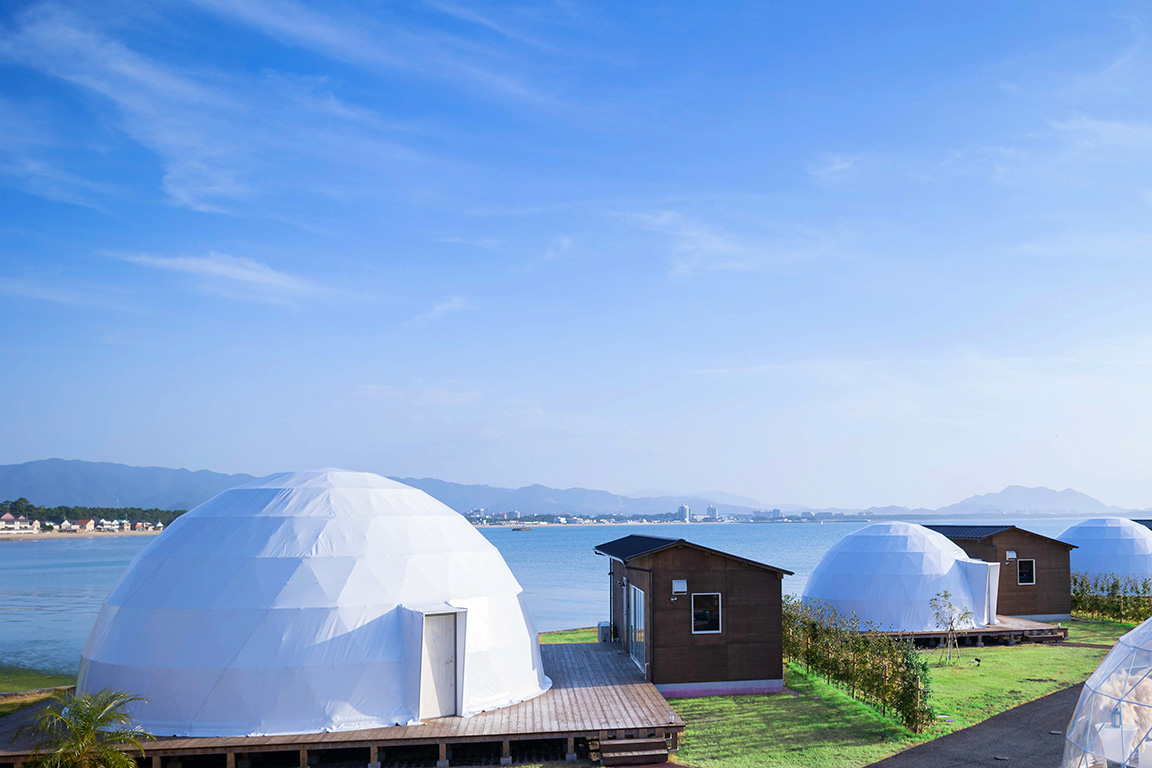
Located along a clear stream in Oshino Village, this is Yamanashi Prefecture's first glamping facility with hot springs. All units are equipped with natural hot spring baths. In addition to dome-shaped tents, there are also resort villas available for exclusive use by one group per day. The grounds include a 21 square meter private pool, a separate powder room, and a hot spring bath. For dinner, you can enjoy dishes such as Koshu beef sirloin steak and herb-grilled salmon. From November to May, a Western-style hot pot using Yamanashi wine is also available, making it a great choice for glamping in autumn and winter.
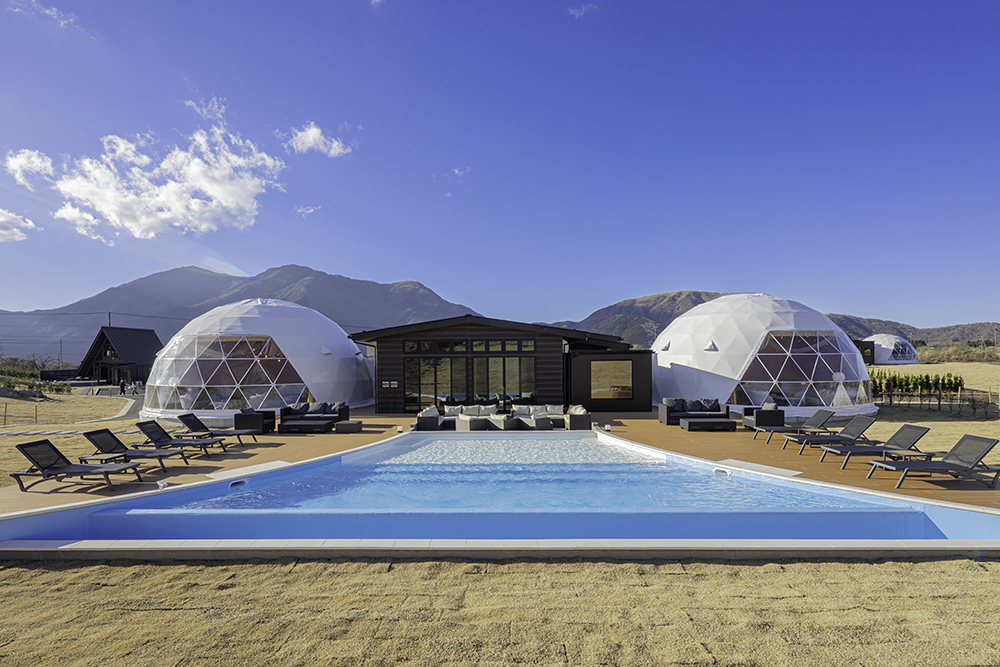
This glamping resort has opened in the Kawaguchiko area of Yamanashi Prefecture. Guest rooms feature high-concentration vanadium hot spring baths and saunas, and premium suite villas with private pools are also available. For meals, guests can choose from two BBQ plans using local ingredients. Additionally, guests can enjoy unlimited drinks at the bar located in the main building.
No. In Japan, setting up tents without permission is prohibited in many parks, beaches, and riverbanks, so you generally need to use official campgrounds. "Roadside stations" are generally facilities for resting and are not places to set up tents and stay overnight. If you want to travel while moving around freely, you can rent a campervan and use campgrounds or facilities where overnight stays in vehicles are permitted.
A typical campsite costs around 3,000 to 8,000 yen per site per night. Some campsites may charge extra per person or per vehicle. Glamping costs around 20,000 yen per person per night, and many facilities include dinner, breakfast, and bedding. For actual prices, please check the official website of each campsite or facility.
Brands like Snow Peak, Coleman, and Mont-bell have directly managed stores and retailers in major cities throughout Japan. For short trips, it's also recommended to either rent camping equipment locally or choose glamping, which eliminates the need to bring your own gear.
Glamping offers basic amenities, so you can easily enjoy it by simply bringing a change of clothes and warm outerwear. For regular camping, you will need to bring a tent, sleeping bag, mat, lighting, and a fire pit. Some campsites offer rentals. Mountainous areas experience large temperature differences between day and night, so be sure to bring plenty of warm clothing, especially in autumn and winter.
Camping in Japan offers the unique experience of creating special memories, unlike typical hotel stays, whether it's pitching a tent at the foot of Mt. Fuji and gazing at the starry sky, or touring Hokkaido in a campervan. It's important to book campsites in advance and to follow the rules of each facility, such as waste sorting and usage times. If you don't want to carry a lot of camping equipment, you can choose glamping, which offers amenities like air conditioning, hot springs, and BBQ dinners, making it an easy way for even beginners to enjoy the outdoors.

He is an editor at Resort Glamping.com, a glamping-focused media outlet visited by approximately 100 million people a month. He has written over 150 articles introducing glamping facilities and experience reports, and is involved in a wide range of glamping facility services, from planning and development to operation and customer acquisition consulting.