
Resort Glamping.com
Nationwide (Hokkaido, Tohoku, Kanto, Koshinetsu, Kansai, Tokai, Chugoku, Shikoku, Kyushu, Okinawa)
Resort Glamping.com
Nationwide (Hokkaido, Tohoku, Kanto, Koshinetsu, Kansai, Tokai, Chugoku, Shikoku, Kyushu, Okinawa)
September 7, 2026
Amanohashidate is one of Japan's three most scenic spots, located in Miyazu Bay in Miyazu City, Kyoto Prefecture. This natural sandbar, approximately 3.6 km long and covered with about 6,700 pine trees, is famous for its appearance resembling a bridge spanning the sea. It has long been known as one of Japan's three most scenic spots, alongside Matsushima in Miyagi Prefecture and Miyajima in Hiroshima Prefecture. This article provides a guide to a day trip to Amanohashidate, perfect for those planning their first independent trip there.
table of contents
From the observation decks on the north and south sides of the sandbar, you can experience "crotch-gazing," where you crouch down and look at Amanohashidate through your legs. The view is characterized by the illusion that the world is upside down, and the sandbar appears as if it's a bridge floating in the sky.
| Item | Contents of the day trip |
|---|---|
| Address | Miyazu City, Kyoto Prefecture (Northern Kyoto Prefecture, Seaside Kyoto area) |
| Recommended season | in a year |
| Stay time | Half a day to one day |
| Main access methods | From Kyoto/Osaka, take the JR Limited Express train, highway bus, or car. |
| Experience | Kasamatsu Park / Amanohashidate View Land, Pine Forest Cycling, Ine Boathouses |
There are three main ways to access Amanohashidate: by train, by express bus, or by car. All methods take approximately two hours.
You can access Amanohashidate Station from Kyoto Station without changing trains, and the journey takes approximately 2 hours and 10 minutes. There are about 4-5 trains running per day, so it is recommended to reserve your seat in advance on the JR official website or Ekinet.
Official site:https://www.eki-net.com/personal/top/index
This bus departs from the Karasuma Exit of Kyoto Station and goes directly to Amanohashidate Station. The journey takes approximately 2 hours, and the fare is usually slightly cheaper than that of express trains, making it suitable for travelers who want to save on transportation costs. Advance reservations are recommended, as it tends to fill up quickly during peak seasons.
It's about a two-hour drive from Kyoto using the Kyoto Expressway and the Maizuru-Wakasa Expressway. It's ideal for travelers who also want to visit the boathouses of Ine and the Tango Peninsula.
Since there are no direct express trains from Osaka to Amanohashidate, it is generally necessary to travel by JR to Fukuchiyama or Nishi-Maizuru and then transfer. The total travel time, including transfers, is approximately 2.5 to 3 hours. Alternatively, you can use a semi-independent day trip plan to Amanohashidate offered by a travel agency or ride-sharing service. Actual operating times and fares may vary depending on the season.
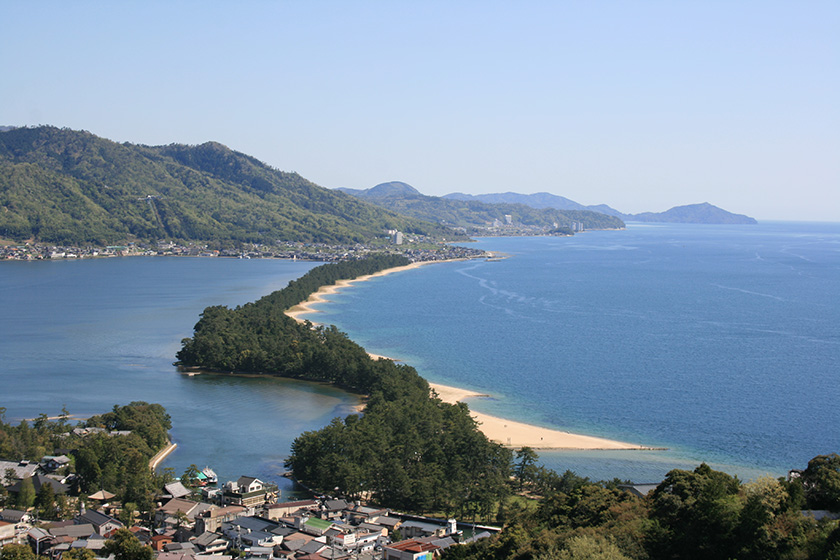
There are representative observation decks on both the north and south sides of Amanohashidate, and you can experience the "viewing through your legs" at either location. From Kasamatsu Park on the north side, you can see a view called "diagonal straight line," and from Amanohashidate View Land on the south side, you can see a view called "flying dragon view." To reach the summit from either location, you can take a cable car or a chairlift.
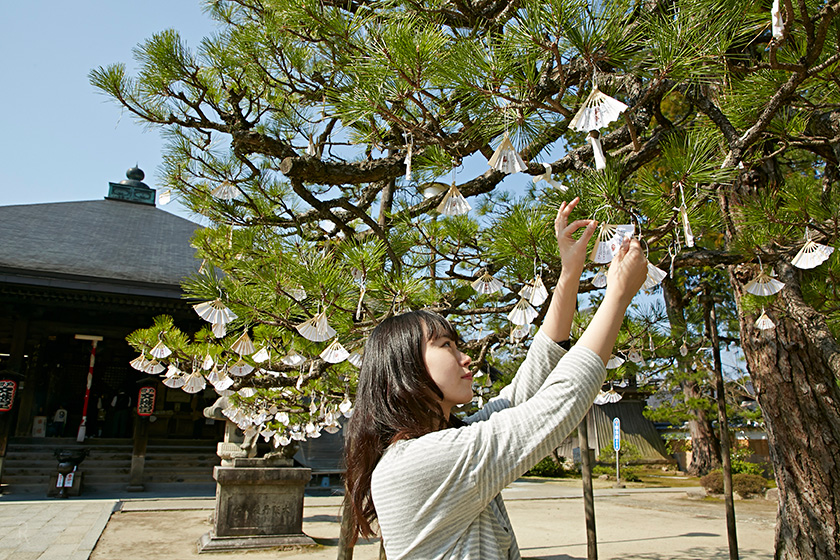
Chionji Temple is a temple dedicated to Monju Bodhisattva, the Bodhisattva of Wisdom, and is known as one of the three most important Monju temples in Japan. It is a popular spot for students and others seeking academic success and prayers for passing exams. Near the temple is a unique revolving bridge that rotates to allow ships to pass.
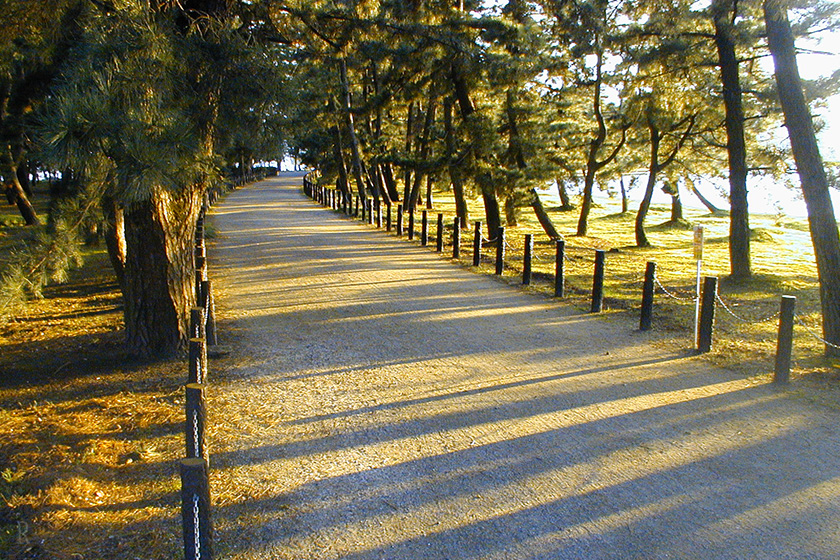
Walking along the approximately 3.6km-long promenade lined with pine trees or taking a leisurely ride on a rental bicycle are two highly flexible ways to enjoy Amanohashidate. Along the way, you'll find "Iso-Shimizu," a spring known as a mysterious source of pure water that, despite being surrounded by the sea, contains no salt.
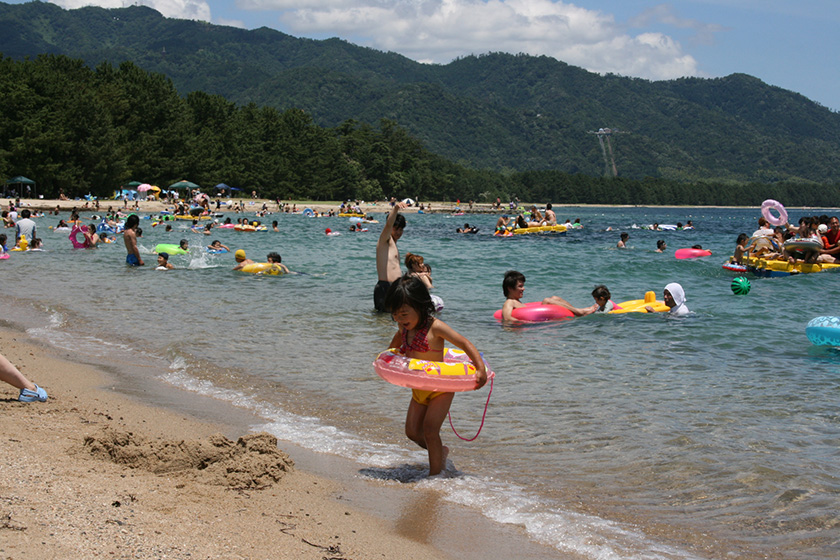
If you visit in the summer, Amanohashidate itself becomes a sandy beach, making it one of the few spots in Kyoto Prefecture where you can enjoy swimming in the sea. It's also recommended for those who want to spend half a day relaxing by the sea.
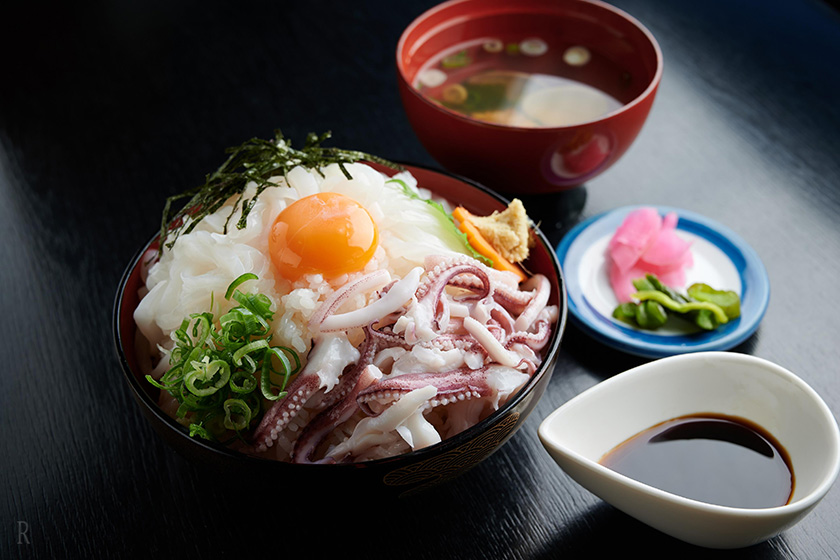
Located on Monju Sando near Amanohashidate Station, this restaurant specializes in seafood set meals and rice bowls. In addition to its generous portions, their signature clam udon is also very popular. The light broth is perfect for warming up after sightseeing in winter. The restaurant is relatively spacious, making it suitable for family trips and group dining.
Monju
Address: 476 Monju, Miyazu City, Kyoto Prefecture
Access: Kyoto Tango Railway / Amanohashidate Station
Phone: 0772-22-2805
Located right next to the cable car station at Kasamatsu Park, this restaurant offers a dining experience with panoramic views of Amanohashidate. After experiencing the "viewing through your legs" viewpoint, you can enjoy a meal while relaxing on the mountain, eliminating the need to descend the mountain to find a restaurant.
AmaTerrace
Address: 75 Ogaki, Miyazu City, Kyoto Prefecture
Phone: 0772-27-0898
9:00 - 18:00
Official site:https://www.tankai.jp/trip/amaterrace/
Located about an 8-minute walk from Miyazu Station, this is a long-established Western-style restaurant founded during the Taisho era. Its specialty is slow-cooked beef tongue dishes, and the rich demi-glace sauce and tender beef tongue are popular with locals and regulars alike.
精養軒
Address: 2021-1 Shimazaki, Miyazu City, Kyoto Prefecture 626-0017
Phone: 0772-22-2426
Official site:https://seiyouken.jp/

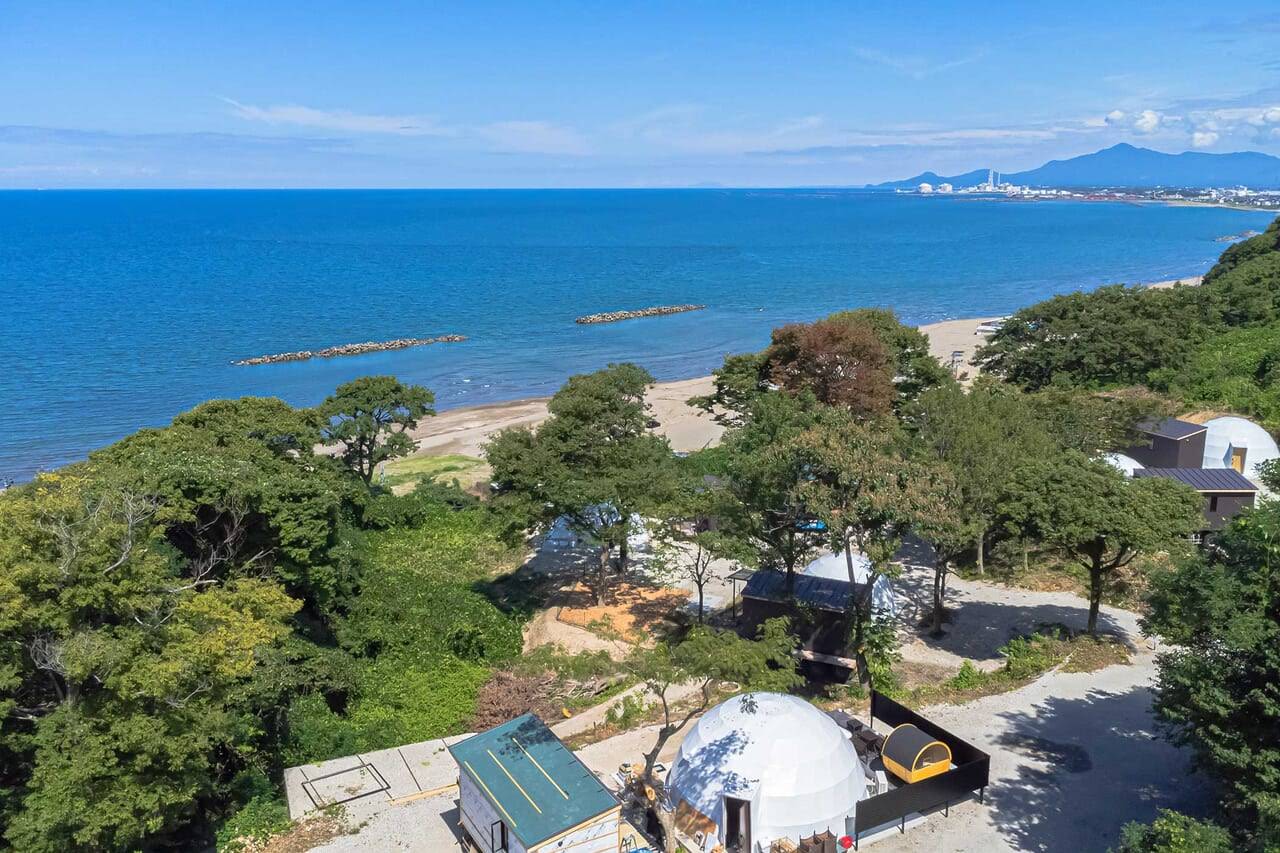
This luxurious glamping facility features blue dome-shaped tents and reddish-brown gazebo decks, creating a beach resort atmosphere. It includes a private pool, indoor hot spring bath, and dedicated BBQ area, and a projector is installed inside the dome tent. For meals, guests can enjoy glamping BBQ featuring high-quality ingredients such as domestic Wagyu beef steak and smoked Angus beef.

This glamping resort is located in the Amanohashidate area, one of Japan's three most scenic spots. The all-inclusive service includes BBQ using local ingredients, drinks including alcohol, and a variety of activities. All rooms have a private open-air hot spring bath, and there is also a dog run. Meals include domestic Wagyu beef steak and smoked Angus beef.
Both options take approximately two hours. Express trains are relatively punctual, while highway buses are generally cheaper but are more susceptible to delays due to road conditions.
Both Kasamatsu Park and the observation deck at Amanohashidate View Land are located on mountaintops. If you want to enjoy the view of Amanohashidate from between your legs, you can take the cable car or chairlift up.
If you plan to visit the boathouses of Ine or the Tango Peninsula the following day, choosing accommodation near Miyazu Bay or close to the sea will save you travel time compared to making daily round trips from Kyoto city.
A single ticket can be used for both the cable car and the chairlift, allowing you to combine different modes of transport, such as taking the cable car up and the chairlift down. Actual fares may vary depending on the season and whether you purchase a package ticket that includes a sightseeing boat, so please check the latest fares at the ticket office on site or on the Tango Kairiku Kotsu official website.
Yes, it's possible. The boathouses of Ine are about a 30-minute drive from Amanohashidate. However, if you're visiting both on a day trip from Kyoto or elsewhere, your schedule will be a bit rushed. It's recommended to allocate time for sightseeing in Amanohashidate first, and then extend your trip to Ine if you have extra time.
There are coin lockers at Fuchu Station, the base station of the cable car, so you can leave your luggage and climb the mountain unencumbered. If you are visiting by car, there are several paid parking lots around Amanohashidate.
Overall, Amanohashidate takes a little longer to reach compared to other tourist spots within Kyoto city. However, whether you're visiting for a day trip or a leisurely overnight stay, you can still enjoy your visit comfortably if you carefully check transportation times and the schedules for the cable car and buses in advance.

He is an editor at Resort Glamping.com, a glamping-focused media outlet visited by approximately 100 million people a month. He has written over 150 articles introducing glamping facilities and experience reports, and is involved in a wide range of glamping facility services, from planning and development to operation and customer acquisition consulting.