
Resort Glamping.com
Nationwide (Hokkaido, Tohoku, Kanto, Koshinetsu, Kansai, Tokai, Chugoku, Shikoku, Kyushu, Okinawa)
Resort Glamping.com
Nationwide (Hokkaido, Tohoku, Kanto, Koshinetsu, Kansai, Tokai, Chugoku, Shikoku, Kyushu, Okinawa)
September 30, 2026
Kyoto is located in the Kansai region of Japan, and can be reached from Osaka in about 30 minutes by JR Special Rapid Service train or about 45 minutes by Hankyu Railway. For first-time visitors to Kyoto, the Higashiyama route, which includes Fushimi Inari Taisha Shrine, Kiyomizu-dera Temple, and Gion, is highly recommended. For those who want to enjoy natural scenery, the route that takes you through the Arashiyama bamboo forest and Togetsukyo Bridge is also popular. This article will introduce Kyoto day trip access, model courses, must-see tourist spots, and Kyoto cuisine. Finally, we will also introduce luxury accommodations near Kyoto.
table of contents
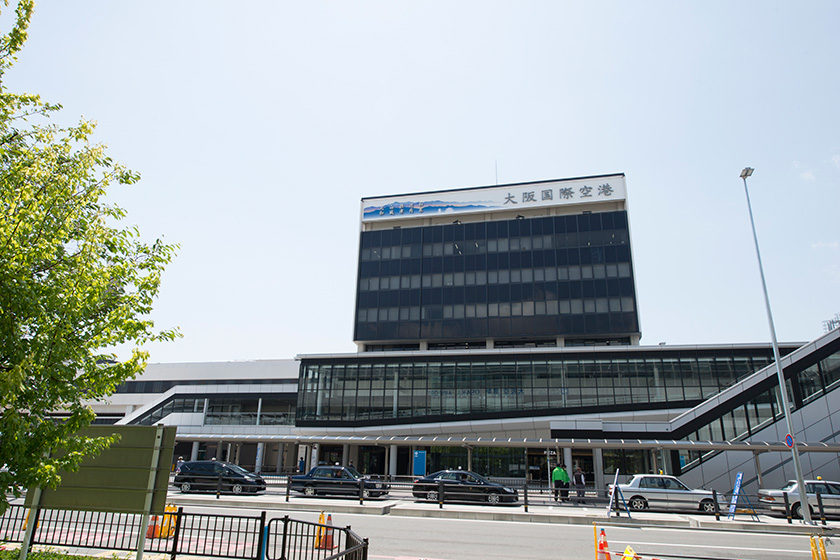
Currently, there are no direct flights from Hong Kong or Taiwan to Kyoto, so generally, you arrive at Kansai International Airport in Osaka and then travel to Kyoto by JR train or bus. If you are departing from Osaka city, you can access Kyoto directly via three lines: JR, Hankyu, and Keihan.
| Departure | transportation | Acitivity Time | Reference fare |
|---|---|---|---|
| Hong Kong → Kyoto | Take a plane to Kansai Airport, then transfer to the JR Limited Express "Haruka". | Flight time approximately 4 hours + approximately 75 minutes after transfer | It varies depending on the airline ticket or rail pass. |
| Taipei → Kyoto | Take a plane to Kansai Airport, then transfer to the JR Limited Express "Haruka". | Flight time approximately 2 hours 30 minutes + approximately 75 minutes after transfer | It varies depending on the airline ticket or rail pass. |
| Osaka Station → Kyoto Station | JR new rapid | Approx.30 minutes | About 580 yen |
| Osaka Umeda → Kyoto Kawaramachi | Hankyu Kyoto Line Limited Express | Approx.45 minutes | About 410 yen |
| Yodoyabashi → Gion-Shijo | 京阪本線特急 | Approx.50 minutes | About 430 yen |
| Nara → Kyoto | Kintetsu Express or JR Nara Line | About 45 minutes to 1 hour | Approximately 700-800 yen |
The fares and travel times listed above are for reference only. For the most up-to-date information, please check the official websites of JR West, Hankyu Railway, Keihan Railway, and Kyoto City Transportation Bureau.
The flat fare for Kyoto City Buses is 230 yen per ride. If you plan to use the bus more than five times a day, it is recommended to purchase a "Subway and Bus One-Day Pass."
Fushimi Inari Taisha is the head shrine of the approximately 3 Inari shrines throughout Japan. It is known for its "Senbon Torii," a row of thousands of vermilion torii gates. The shrine grounds are open for worship 24 hours a day, and there is no entrance fee. Visiting in the early morning or evening when there are fewer people is also recommended.
Address: 68 Fukakusa Yabunouchi-cho, Fushimi-ku, Kyoto City, Kyoto Prefecture
Opening hours: 24 hours
Access: Immediately after alighting at JR Nara Line "Inari Station", approximately 5 minutes on foot from Keihan "Fushimi Inari Station".
Official site:https://inari.jp/
Kiyomizu-dera Temple is a representative temple of Kyoto and a UNESCO World Heritage Site. It is particularly famous for its "Kiyomizu Stage," built precariously on the side of a cliff. Special nighttime viewings are sometimes offered during the cherry blossom season in spring and the autumn foliage season.
Address: 1-294 Kiyomizu, Higashiyama-ku, Kyoto City, Kyoto Prefecture
Opening hours: Approximately 6:00 AM to 18:00 PM (may vary depending on the season and special nighttime viewing periods)
Admission fee: Approximately 500 yen for adults
Access: Approximately 25 minutes on foot from Keihan Railway's "Kiyomizu-Gojo Station," or approximately 10 minutes on foot after getting off at the "Gojo-zaka" or "Kiyomizu-do" bus stop on the city bus line.
Official site:https://www.kiyomizudera.or.jp/
This is a bamboo grove walking path stretching approximately 400 meters, connecting Nonomiya Shrine and Okochi Sanso Villa. It is one of Kyoto's premier photo spots, where you can enjoy the natural bamboo forest reaching high into the sky and the sound of bamboo leaves rustling in the wind.
Address: Saga Ogura Yamadabuchiyama-cho, Ukyo-ku, Kyoto City, Kyoto Prefecture
Opening hours: 24 hours
Fee: Free
Access: Approximately 10 minutes on foot from JR Sagano Line "Saga-Arashiyama Station", approximately 5 minutes on foot from Randen "Arashiyama Station"
The exterior walls of the Shariden (reliquary hall) are adorned with gold leaf, and on clear days, its beautiful reflection can be seen in Kyoko Pond. In winter, the "snow-covered Kinkaku-ji" is famous as a beautiful sight unique to Kyoto in winter.
Address: Kinkakuji-cho, Kita-ku, Kyoto City, Kyoto Prefecture
Visiting hours: 9:00-17:00
Admission fee: Approximately 500 yen for adults
Access: Take the city bus to "Kinkakuji-michi" bus stop and walk for about 5 minutes.
Official site:https://www.shokoku-ji.jp/kinkakuji/
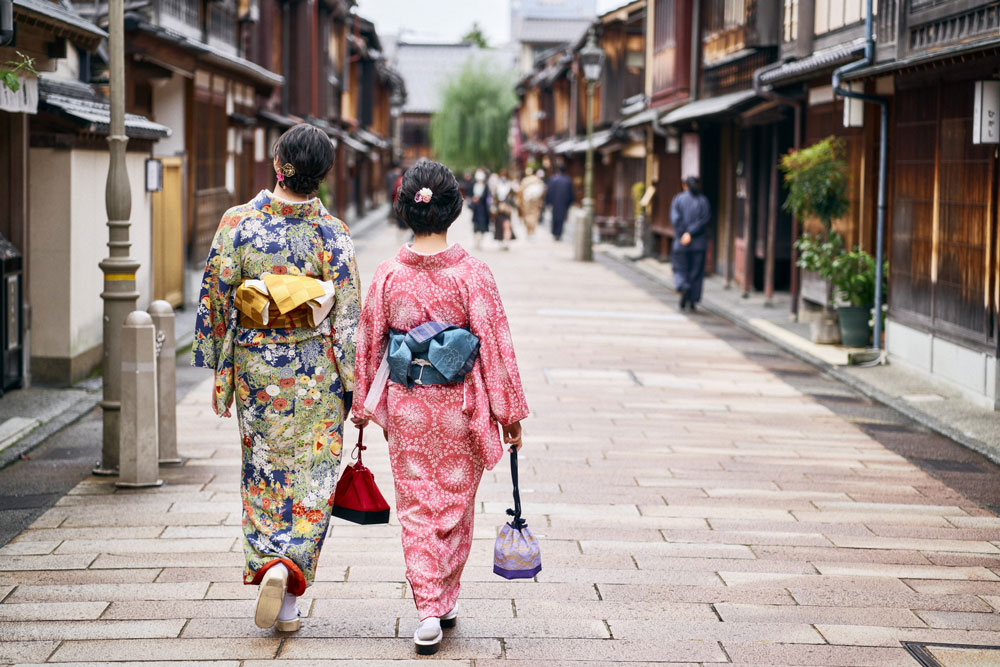
This cobblestone street retains many traditional teahouses and townhouses. In the evenings, you may even spot geisha and maiko. Some private roads are off-limits to tourists and photography is prohibited, so be sure to follow the signs and rules of the area.
Address: Gionmachi Minamigawa, Higashiyama-ku, Kyoto City, Kyoto Prefecture
Access: Approximately 5 minutes on foot from Keihan "Gion-Shijo Station", approximately 8 minutes on foot from Hankyu "Kyoto Kawaramachi Station"
With over 100 shops lining the approximately 390-meter-long shopping street, you can enjoy a variety of Kyoto delicacies all in one place, including rolled omelets, soy milk donuts, pickles, and Japanese sweets.
Address: Nishikikoji Street, Nakagyo Ward, Kyoto City, Kyoto Prefecture (between Teramachi and Takakura)
Opening hours: Varies by store. Most stores are open from 10:00 to 17:00.
Access: Approximately 3 minutes on foot from Hankyu "Kyoto Kawaramachi Station"
Official site:https://www.kyoto-nishiki.or.jp/
Yudofu (boiled tofu): Tofu made using Kyoto's soft water is characterized by its smooth texture. There are many long-established yudofu restaurants around Arashiyama and Nanzenji Temple.
Uji matcha sweets: Matcha parfaits, matcha warabi mochi, and matcha ice cream are popular. Many famous shops are located around Kiyomizu-dera Temple, in the Ninenzaka area, and in Uji itself.
Saba Sushi: A local Kyoto dish made with mackerel marinated in vinegar and wrapped in kelp. It's also recommended to take it back to your hotel and enjoy it as a late-night snack.
Kyoto pickles: Senmaizuke, Shibazuke, and Sugukizuke are known as the "Three Great Pickles of Kyoto" and are popular as souvenirs.
Nishiki Market offers a variety of gourmet foods, including dashi-maki tamago (rolled omelet), tako-tamago (octopus-shaped egg dish), and soy milk donuts, allowing you to fully enjoy Kyoto's culinary scene just by strolling around and trying the food.

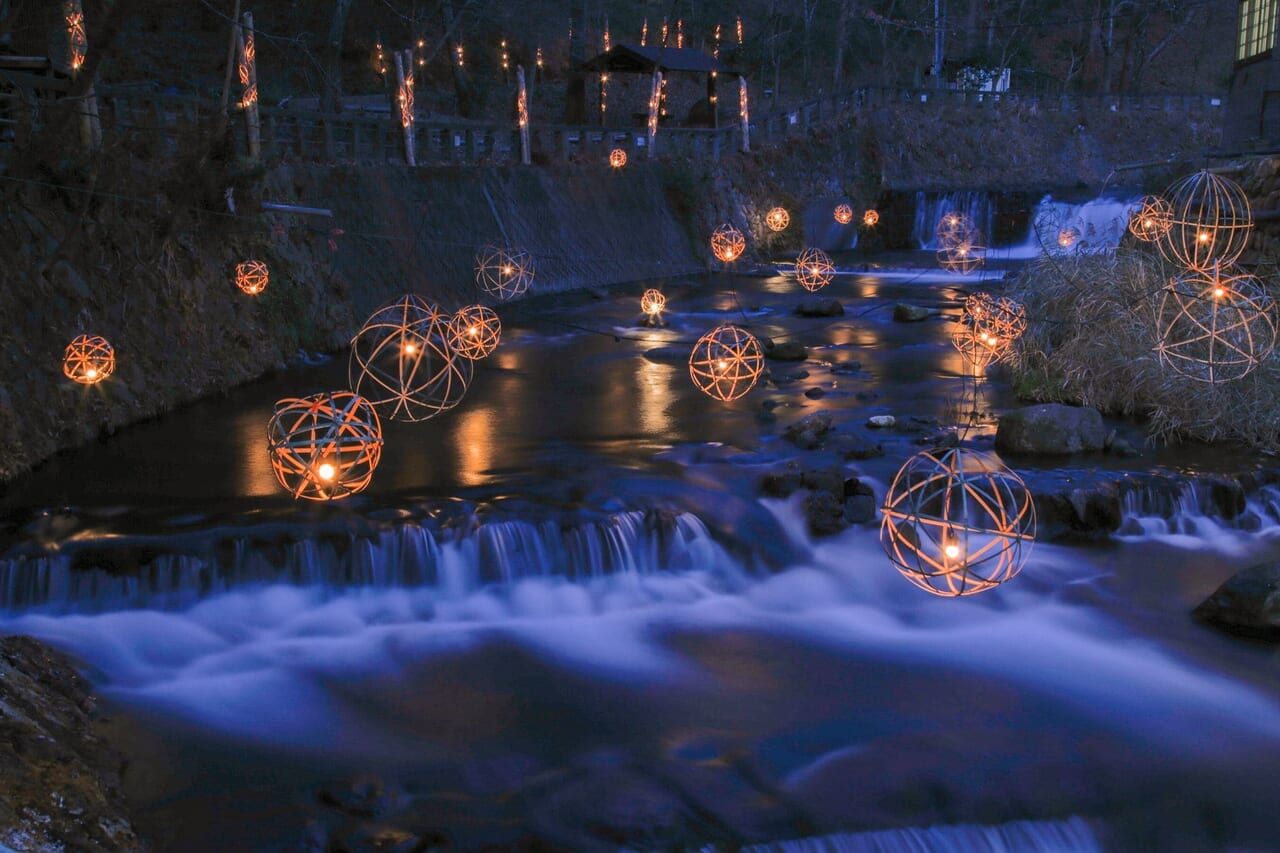
Located in Keihoku-cho, Ukyo-ku, Kyoto City, also known as "Kyoto of the Forest," this accommodation features villas and cottages lined up along a clear stream, each available for private rental. There are only four rooms in total. Each room is equipped with a private dining space overlooking the stream, a private bathroom, and an outdoor sauna. For dinner, guests can enjoy a Kyoto-style BBQ featuring thick-cut sirloin steak made with Kyoto Wagyu beef, grilled eel cooked over charcoal, rice cooked in a Shigaraki ware earthenware pot, and cheese fondue made with white miso from the Michelin three-star Kyoto restaurant "NAKAMURA."

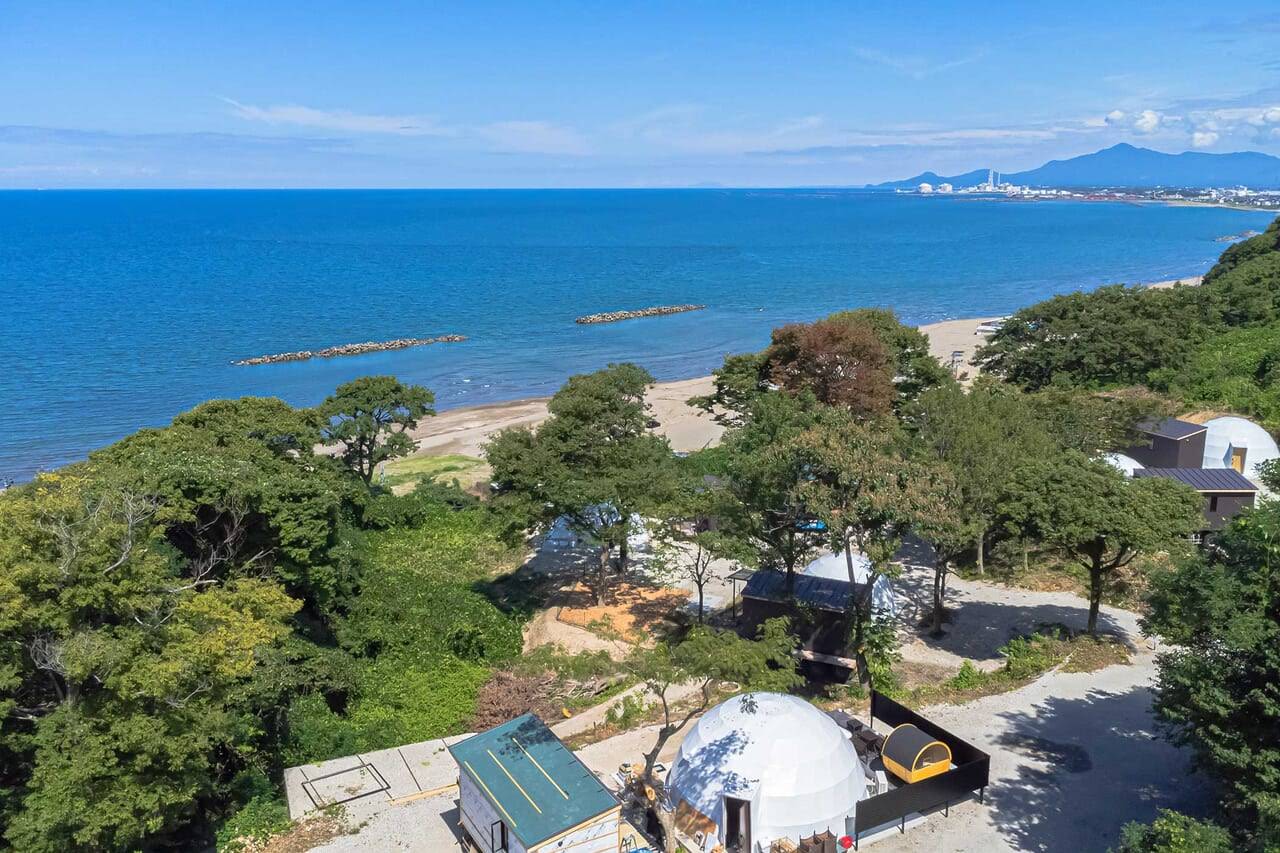
Located in Yunohana Onsen, Kameoka City, Kyoto Prefecture, this hot spring glamping facility is accessible from Arashiyama via the JR Sagano Line. The large 6-meter diameter dome tents are equipped with air conditioning and heating, ensuring a comfortable stay year-round. Guests can also enjoy the open-air natural hot spring bath, a long-time favorite. The all-inclusive service includes a welcome drink, yukata selection, access to the bar, and a tour of the facility's own farm. For dinner, guests can choose between a glamping BBQ featuring Tamba Kurodori chicken or a satoyama cuisine course using Kyotamba Kogen pork.
Since the fare for Kyoto City Buses in the flat-fare zone is 230 yen per ride, if you plan to use the bus more than five times a day, the 1,100 yen "Subway and Bus One-Day Pass" is a better deal. On weekends and holidays, the sightseeing express bus connecting Kyoto Station with Kiyomizu-dera Temple, Gion, and Ginkaku-ji Temple can also be used without additional charge with the one-day pass.
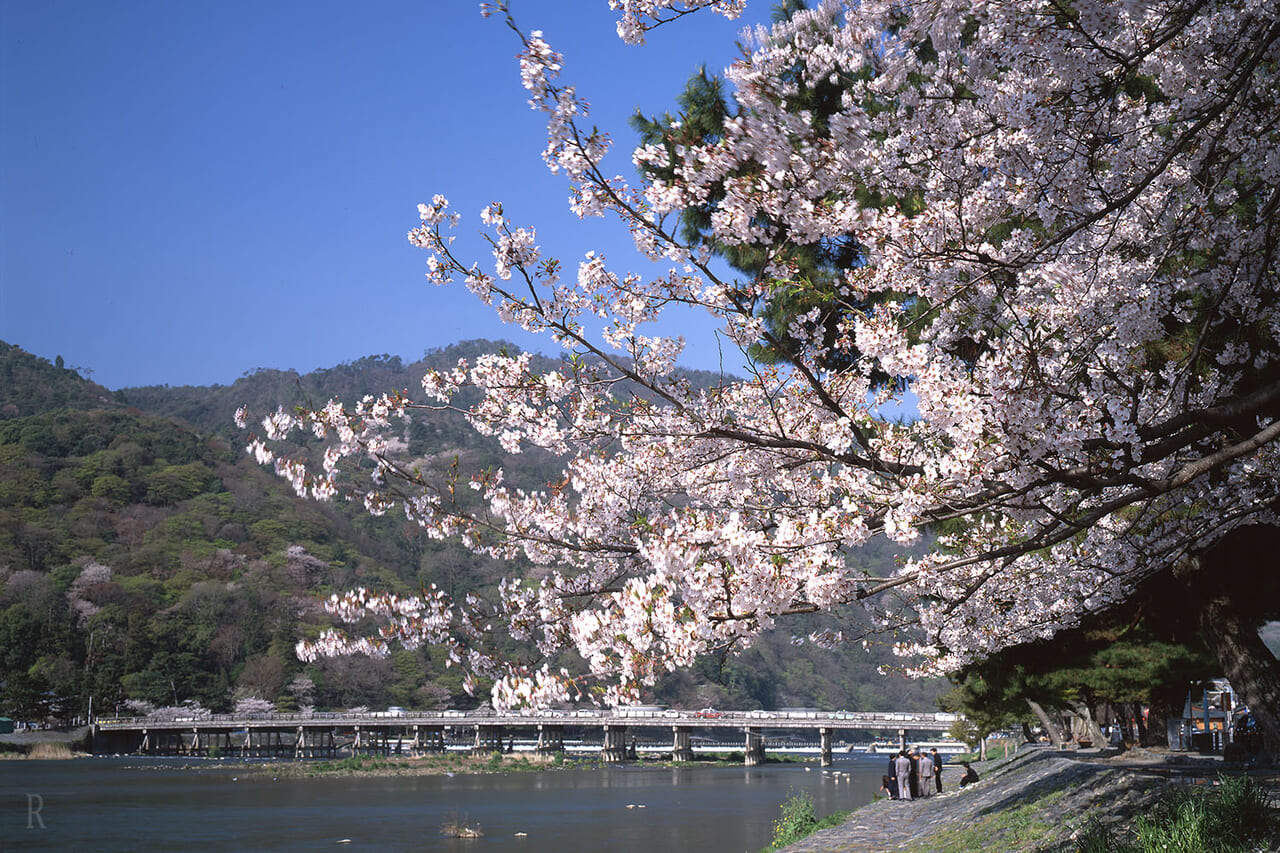
For first-time visitors to Kyoto, the Higashiyama route, which includes Fushimi Inari Taisha Shrine, Kiyomizu-dera Temple, and Gion, is recommended. For those who want to enjoy nature, the Arashiyama route, which includes Arashiyama Bamboo Grove, Tenryu-ji Temple, and Togetsukyo Bridge, is recommended.
Yes. You can reach Kyoto Station from Kansai International Airport without changing trains by taking the JR Limited Express "Haruka." The journey takes about 75 minutes, and since there's no need to travel to Osaka city and change trains, it's convenient for those who want to head straight to Kyoto after arriving at the airport.
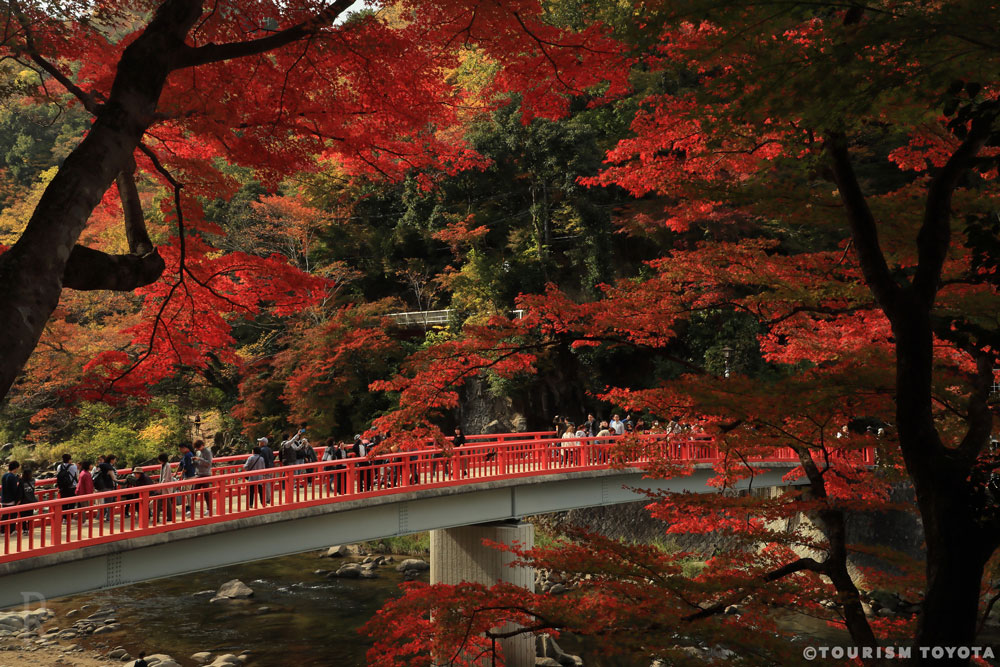
Autumn foliage in Kyoto City is generally at its best from mid-November to early December. Kiyomizu-dera Temple, Tofuku-ji Temple, and Arashiyama are particularly popular spots for viewing autumn leaves. During the autumn foliage season, the number of tourists increases, and accommodation prices tend to rise.
Yatsuhashi (a type of mochi), nama-yatsuhashi (a type of mochi), Uji matcha sweets, Kyoto pickles, and shichimi togarashi (seven-spice chili powder) are popular souvenirs representing Kyoto. They can be purchased at Kyoto Station, Kiyomizu-zaka, Nishiki Market, and other locations.
Kyoto, easily accessible from Osaka, allows you to enjoy many of Kyoto's representative tourist spots, such as the Senbon Torii (thousand torii gates), Kiyomizu-dera Temple, and Arashiyama Bamboo Grove, in just one day if you focus on a single route. For those with more time, a 1-night, 2-day trip to Kyoto is also recommended. During the day, you can explore ancient temples and historic streets, and at night, you can stay in a villa along a clear stream in Keihoku or at a hot spring glamping site in Kameoka. The next morning, you can wake up surrounded by the sounds of forests and streams, enjoying a stay that is quite different from that of Kyoto city.

He is an editor at Resort Glamping.com, a glamping-focused media outlet visited by approximately 100 million people a month. He has written over 150 articles introducing glamping facilities and experience reports, and is involved in a wide range of glamping facility services, from planning and development to operation and customer acquisition consulting.