
Resort Glamping.com
Nationwide (Hokkaido, Tohoku, Kanto, Koshinetsu, Kansai, Tokai, Chugoku, Shikoku, Kyushu, Okinawa)
October 9, 2026
Winter in Lake Kawaguchi runs from December to February, with average temperatures around -1 to -2°C. In the early mornings of January, temperatures can drop to around -6°C. On the other hand, this period is characterized by dry air and many sunny days. You can also enjoy winter-specific events and spectacular scenery, such as the "Lake Kawaguchi Winter Fireworks" held on weekends from late January to late February, the "Lake Saiko Ice Festival" in early February, and the "Diamond Fuji" that can be seen over Lake Yamanaka in the evening. This time, we will introduce everything from the 2026 Lake Kawaguchi Winter Fireworks to winter events, temperatures, and luxury accommodations.
table of contents
| Month | Average maximum temperature | Average minimum temperature | Average temperature | Characteristics of winter |
|---|---|---|---|---|
| April | 8.4 ℃ | -3.4 ℃ | 2.0 ℃ | There is now a possibility of snow, and the area will be crowded with tourists during the New Year's holiday period. |
| April | 5.3 ℃ | -6.2 ℃ | -0.6 ℃ | It's the coldest time of the year, and the clear skies make it easier to see Mount Fuji. |
| April | 6.1 ℃ | -5.2 ℃ | 0.2 ℃ | Heavy snowfall is expected, and winter fireworks and ice events are also held. |
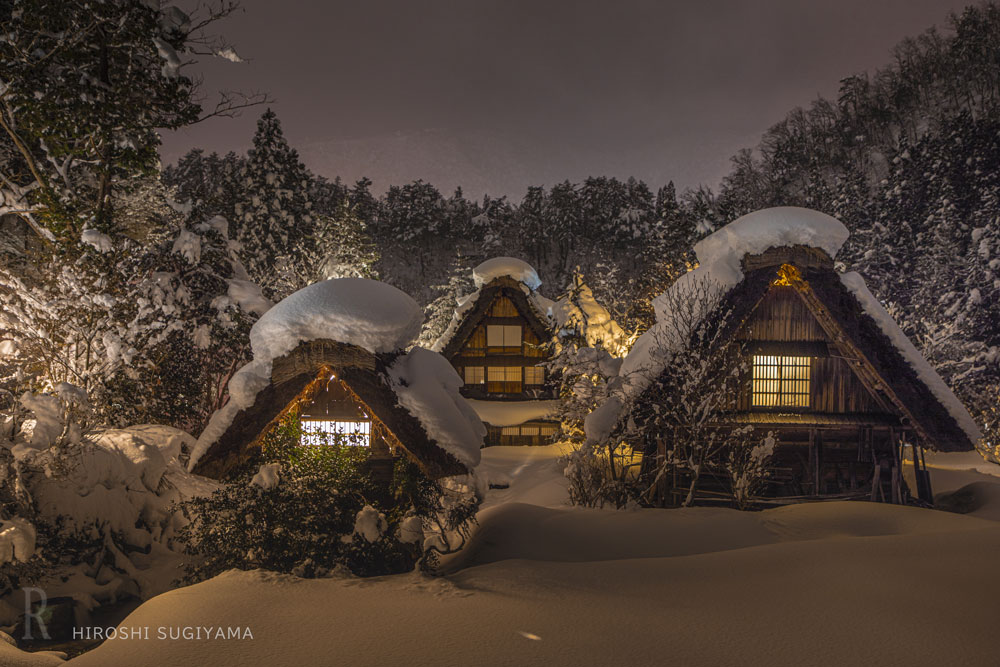
Even when snow accumulates around the lake, it often doesn't get very deep, and sometimes melts within a day or two after snowfall. If you want to see a deeper snowscape, it's recommended to venture to the higher elevations around Lake Saiko or Lake Yamanaka.
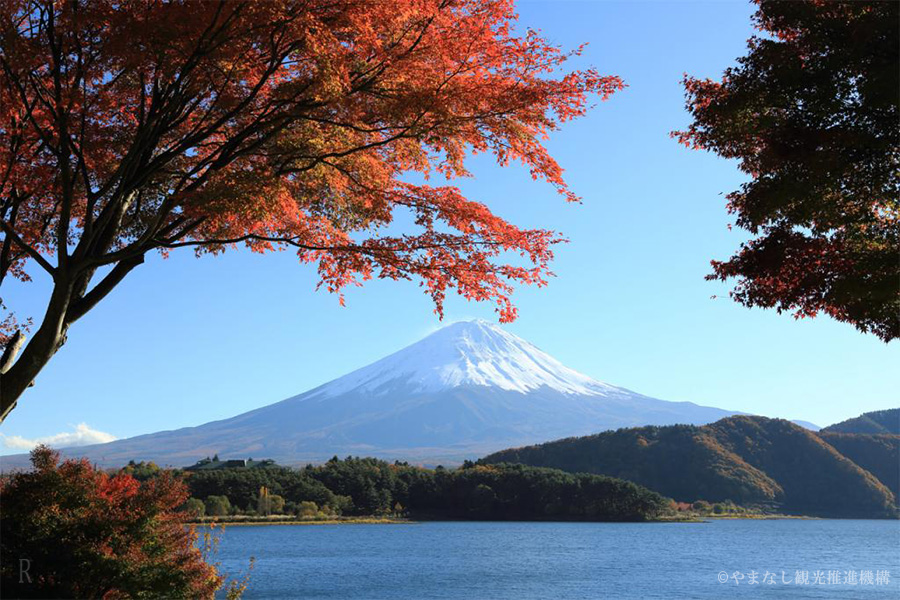
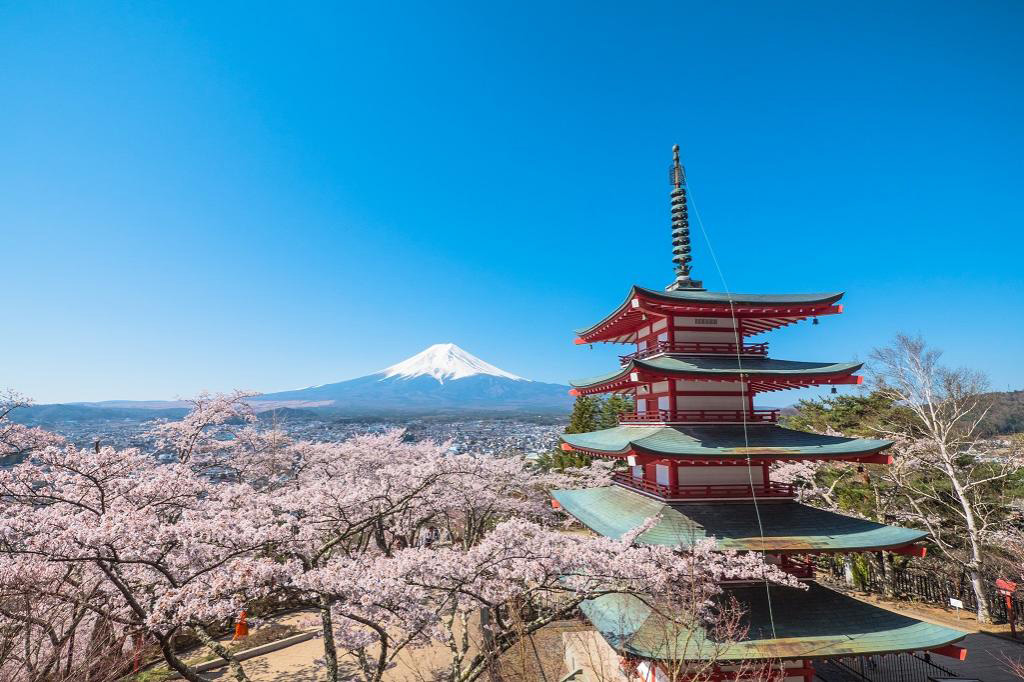
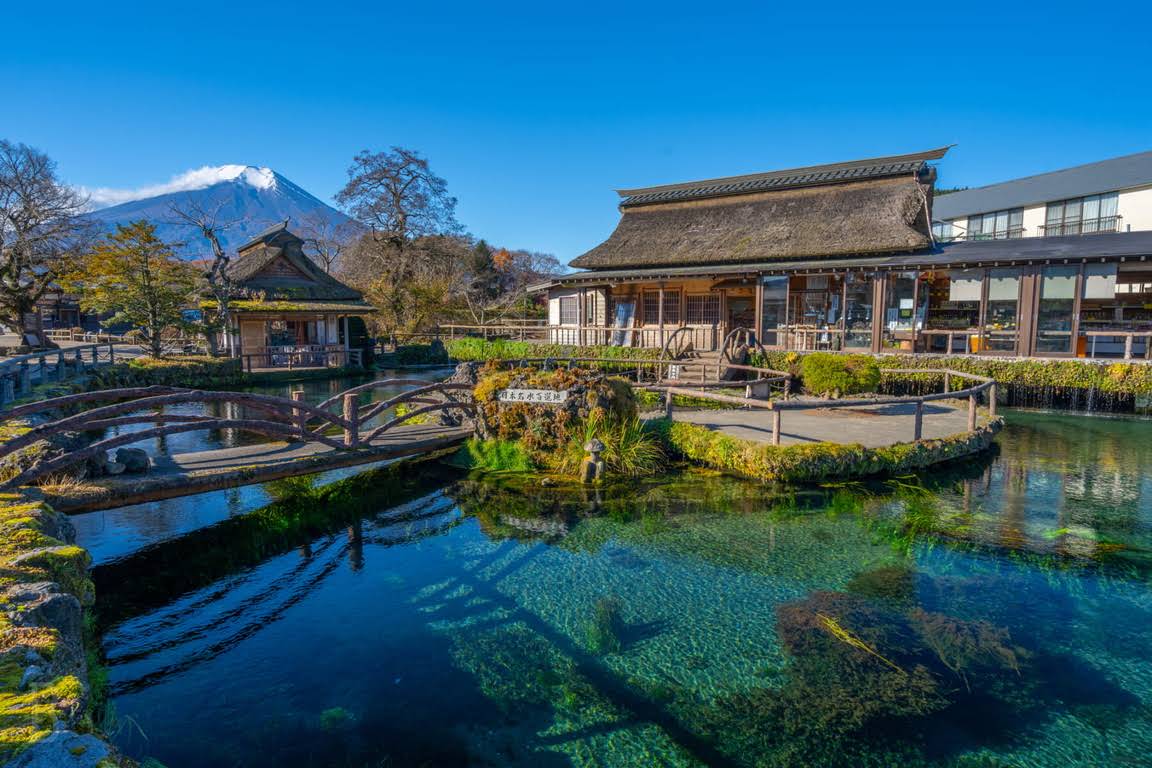
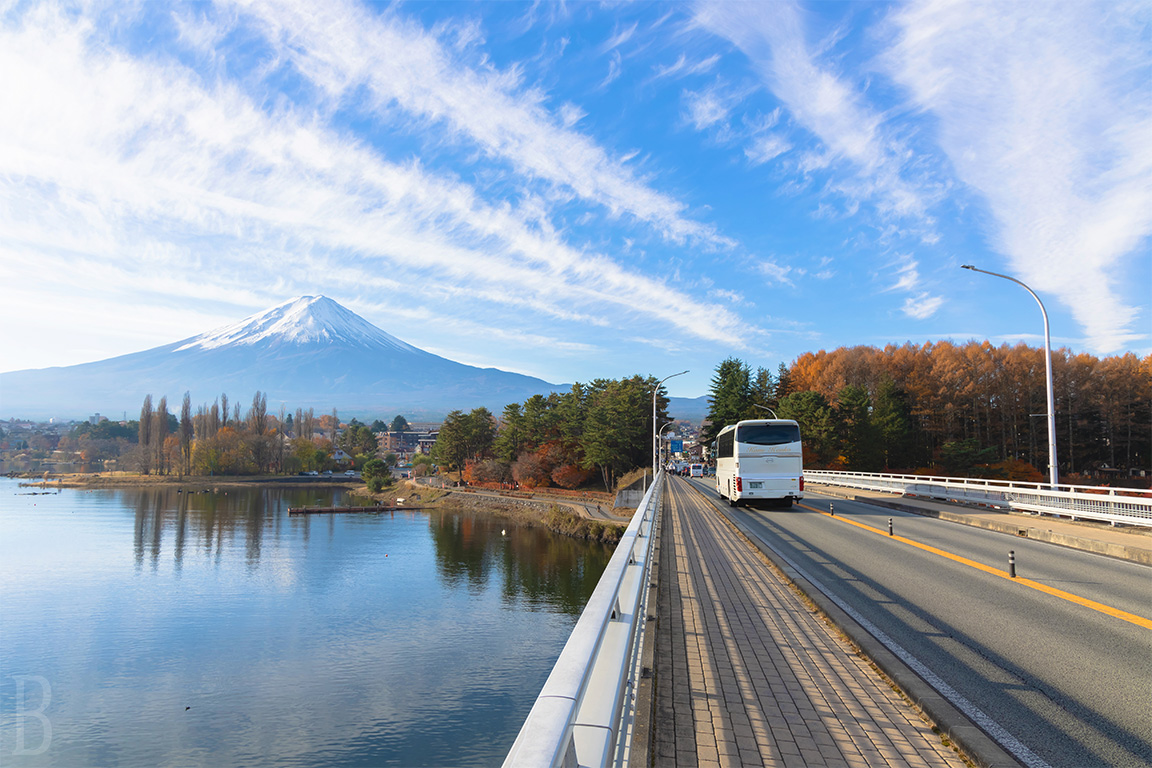
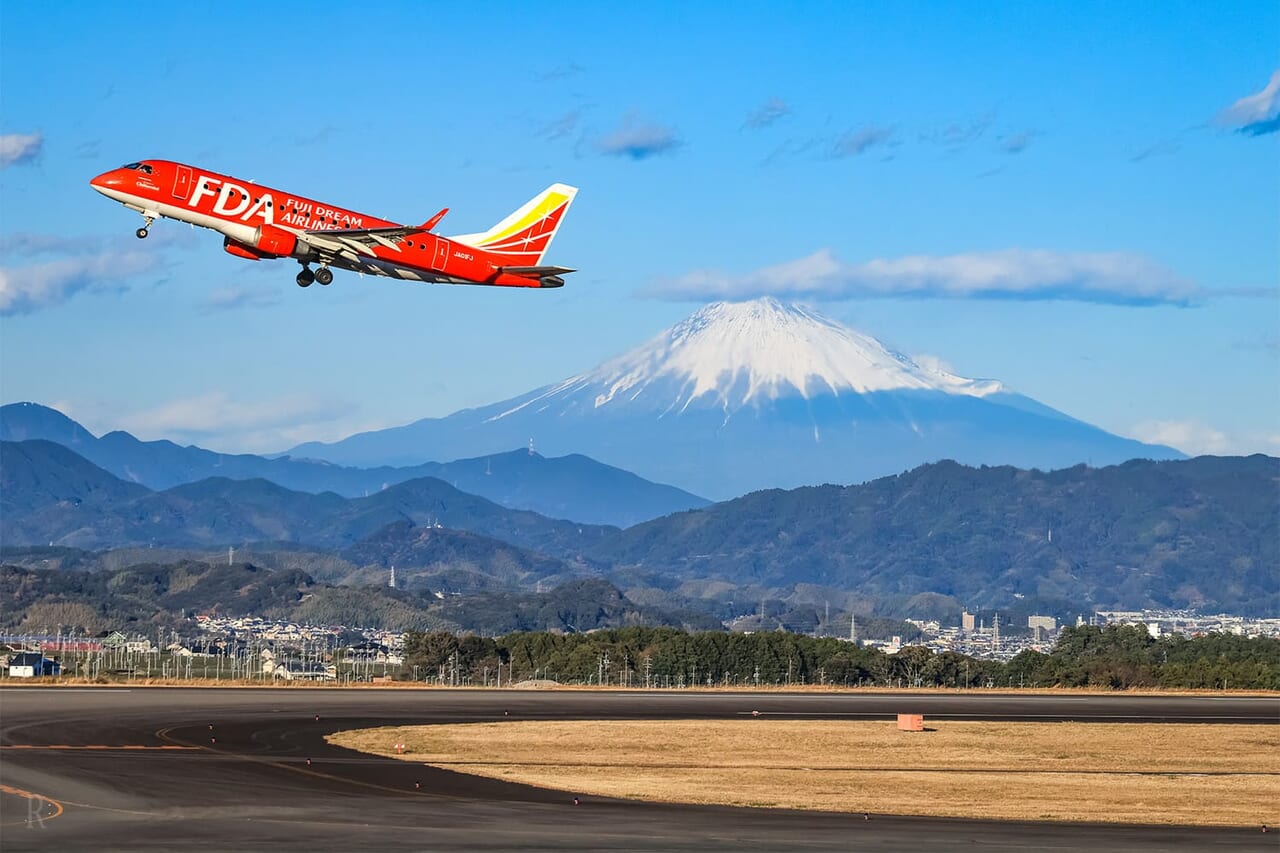
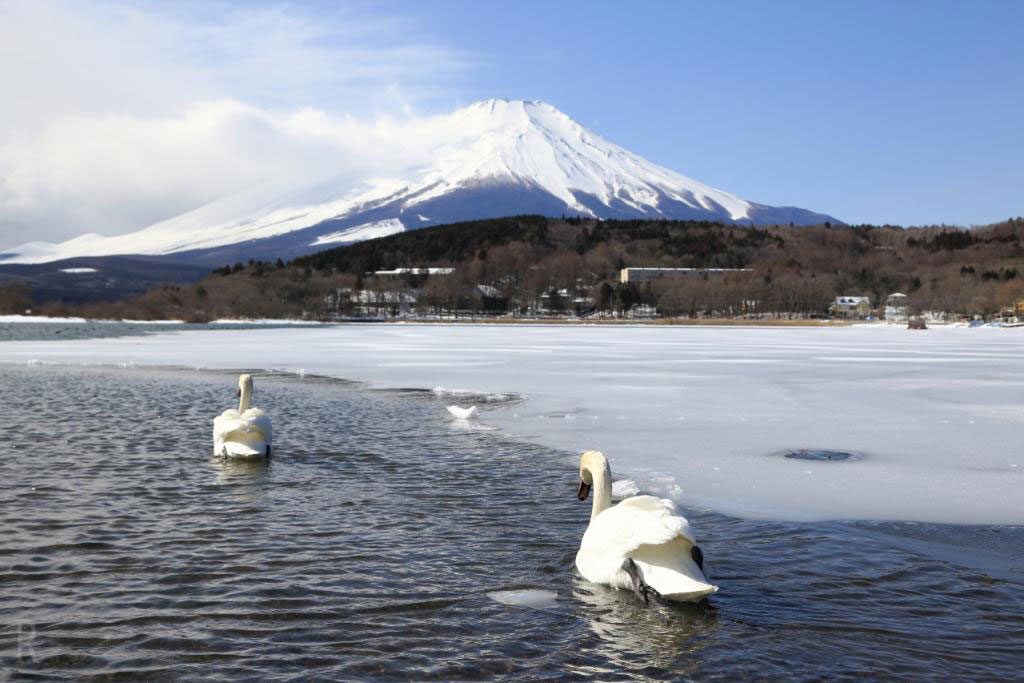
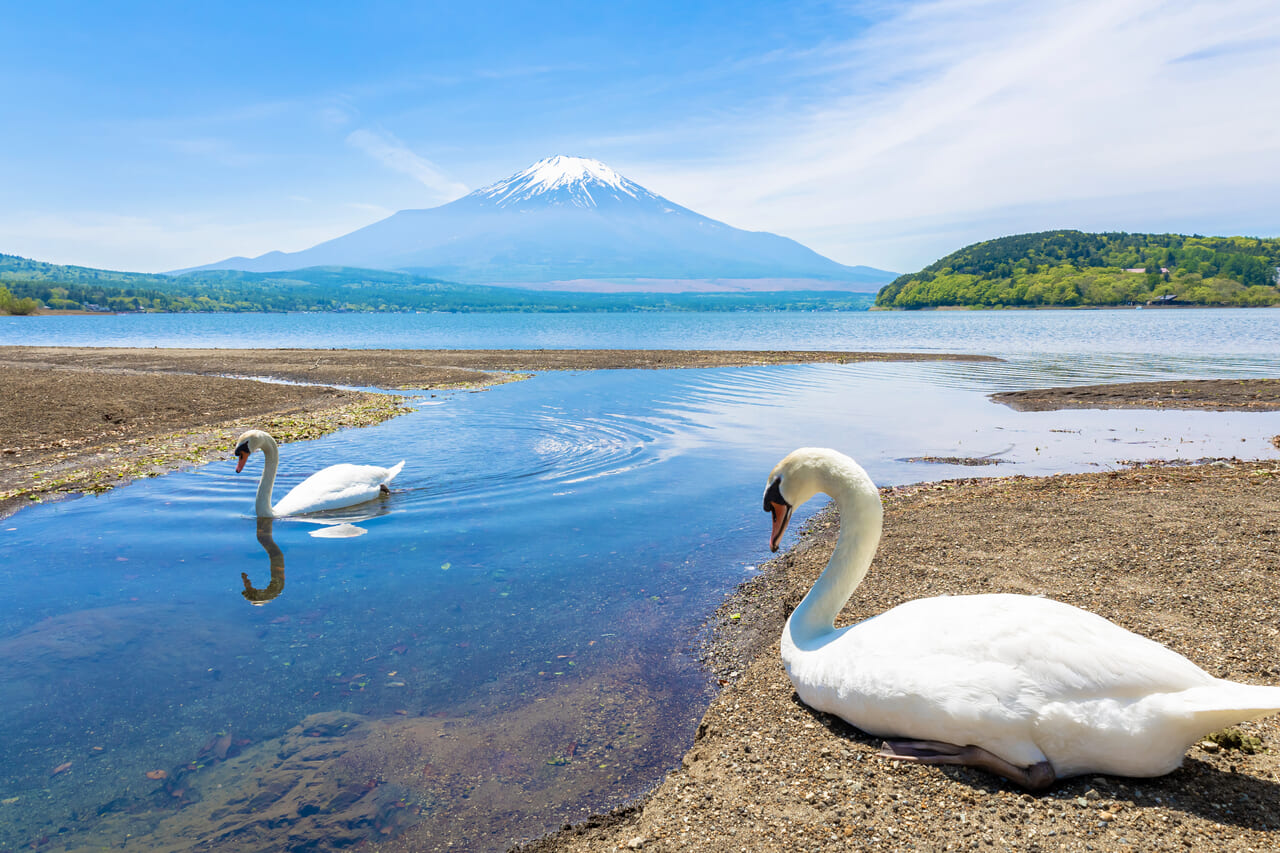
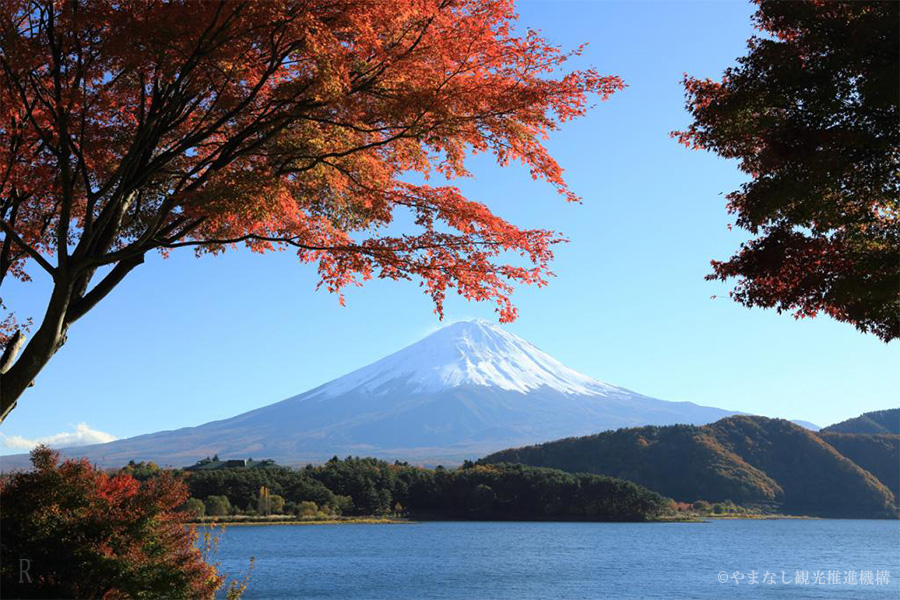
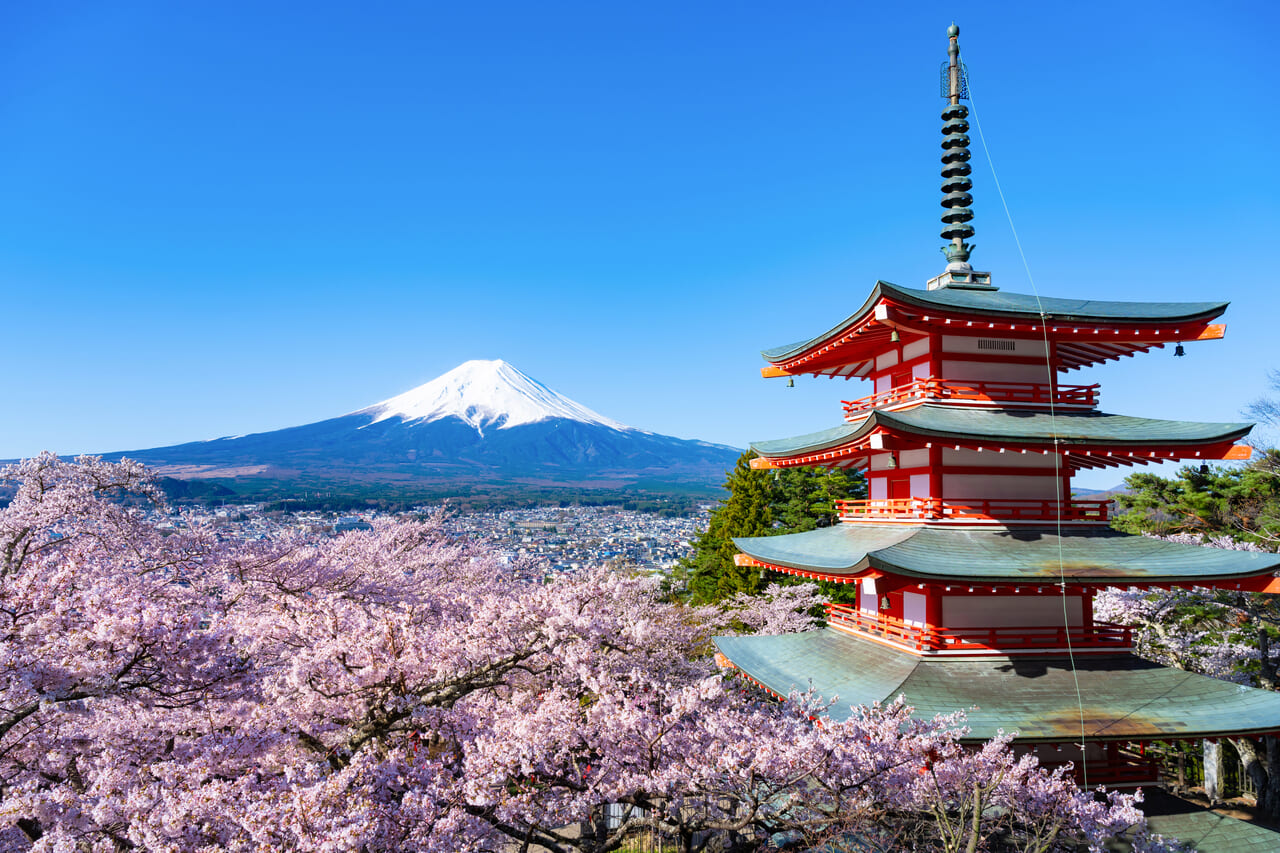
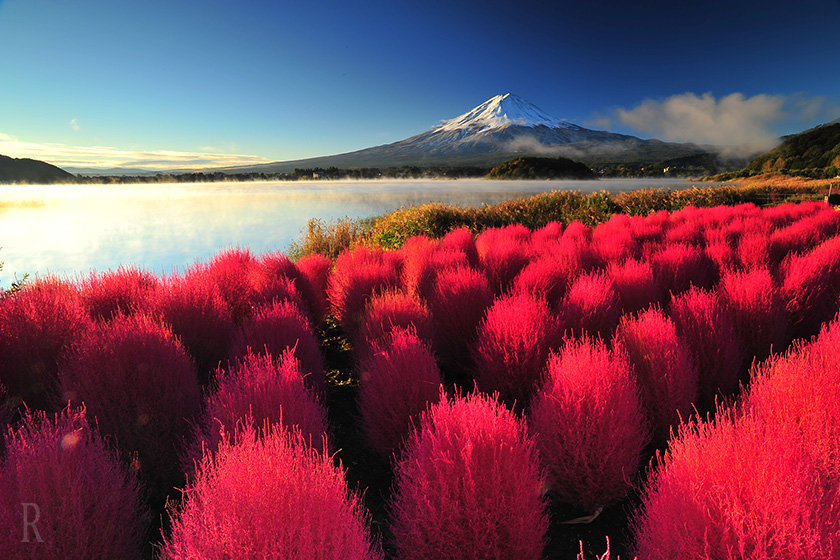
Winter is the best season of the year for viewing Mount Fuji because the air is dry, there is less water vapor, and the chances of clear skies are high. However, visibility varies depending on the time of day. The best time to see it is from early morning until around 10 a.m., as clouds tend to increase in the afternoon. If you want to take pictures of Mount Fuji, it is recommended to stay overnight near Lake Kawaguchi and head out to take photos early the next morning.
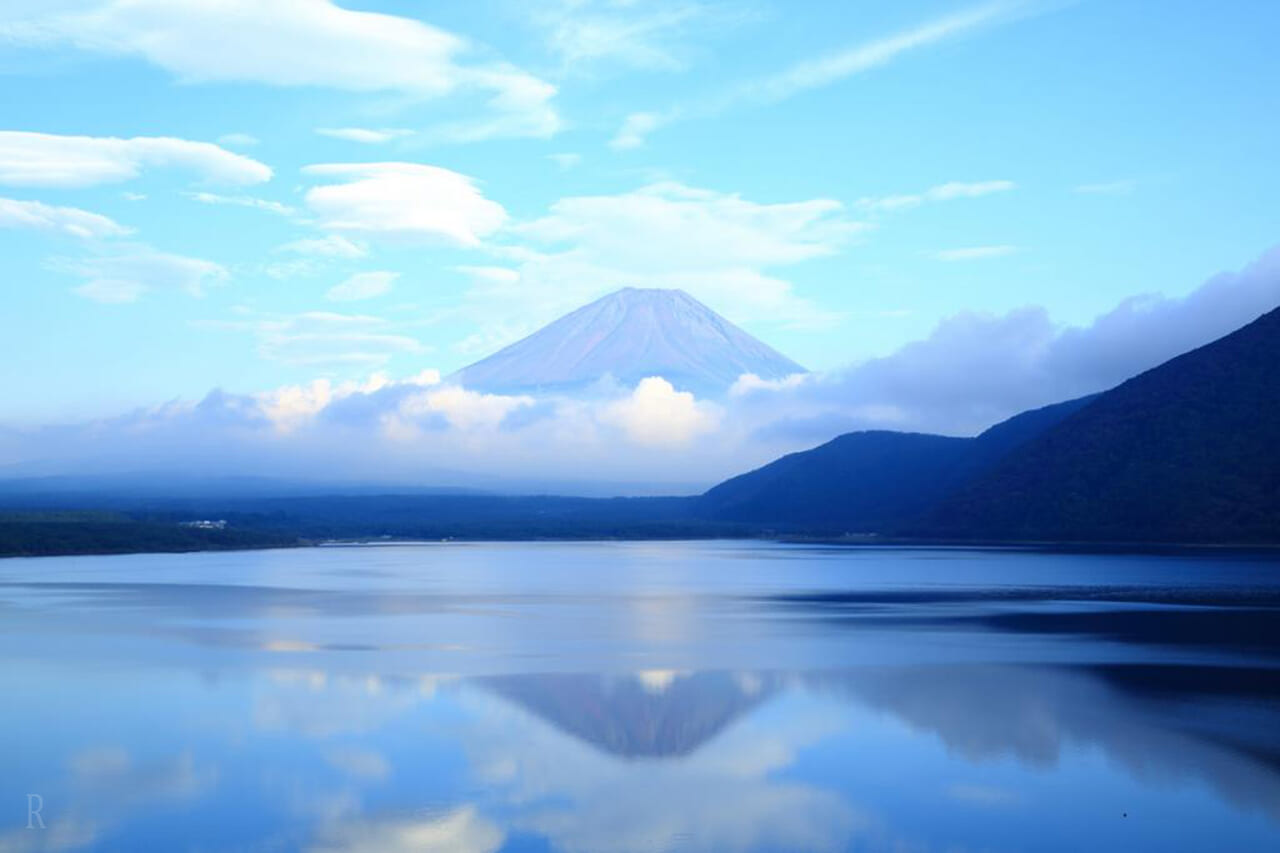
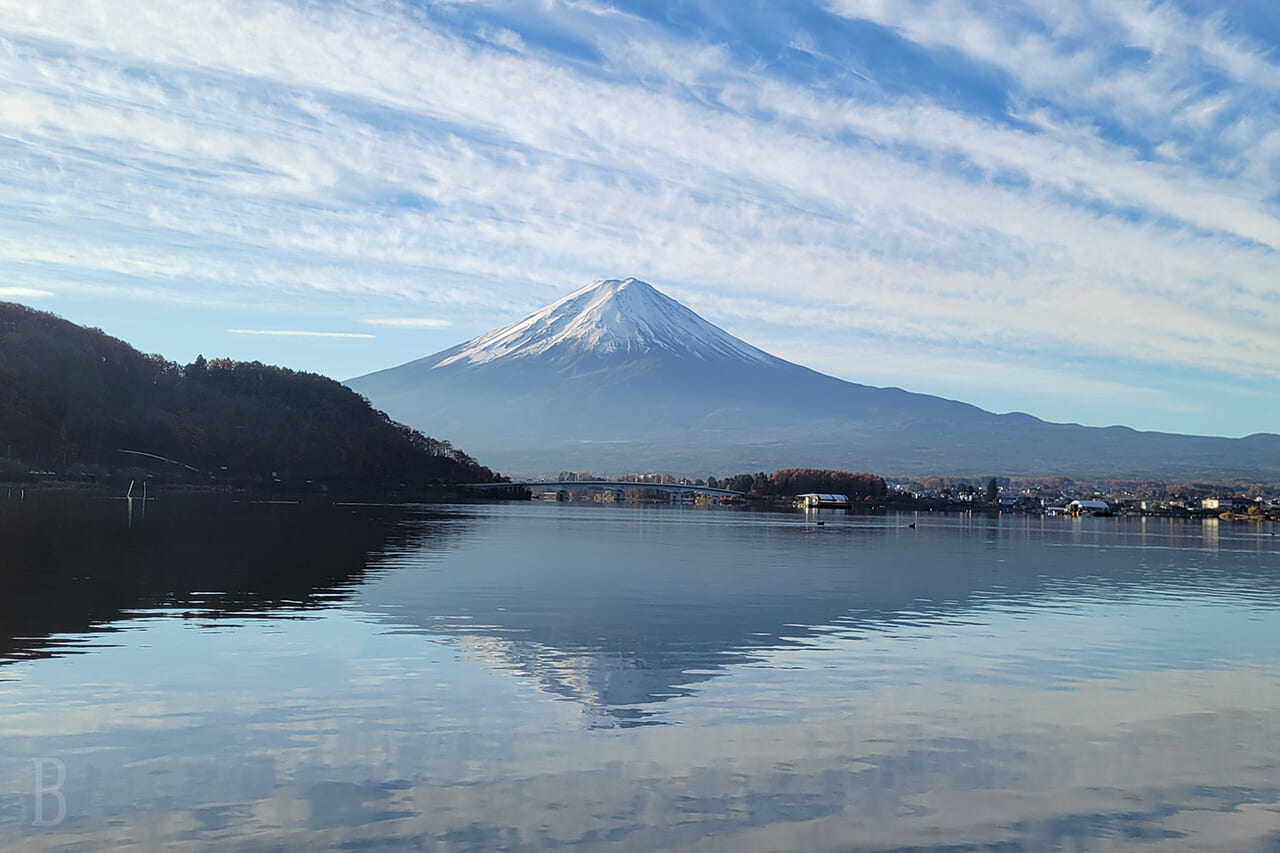
"Inverted Fuji" refers to the sight of Mount Fuji reflected upside down on the calm surface of a lake.
The following dates are for the 2026 event. For the 2027 dates, please check back for the latest information after the official announcement.
| Events | Schedule | Time | Nearby landmarks |
|---|---|---|---|
| Lake Kawaguchi Winter Fireworks | Saturdays and Sundays from January 24th to February 23rd, and February 23rd (11 sessions in total) | 20:00am ~ 20:20pm | Oike Park (main venue), Tatamiwa Rock, Yagisaki Park |
| Saiko Koori Festival | 1 / 31 to 2 / 11 | From 9:00 AM, the lights will be on until 19:00 PM. | Saiko Wild Bird Forest Park |
| Yamanakako Diamond Fuji | Mid-October to late February | Around sunset | Observation spots around Lake Yamanaka |
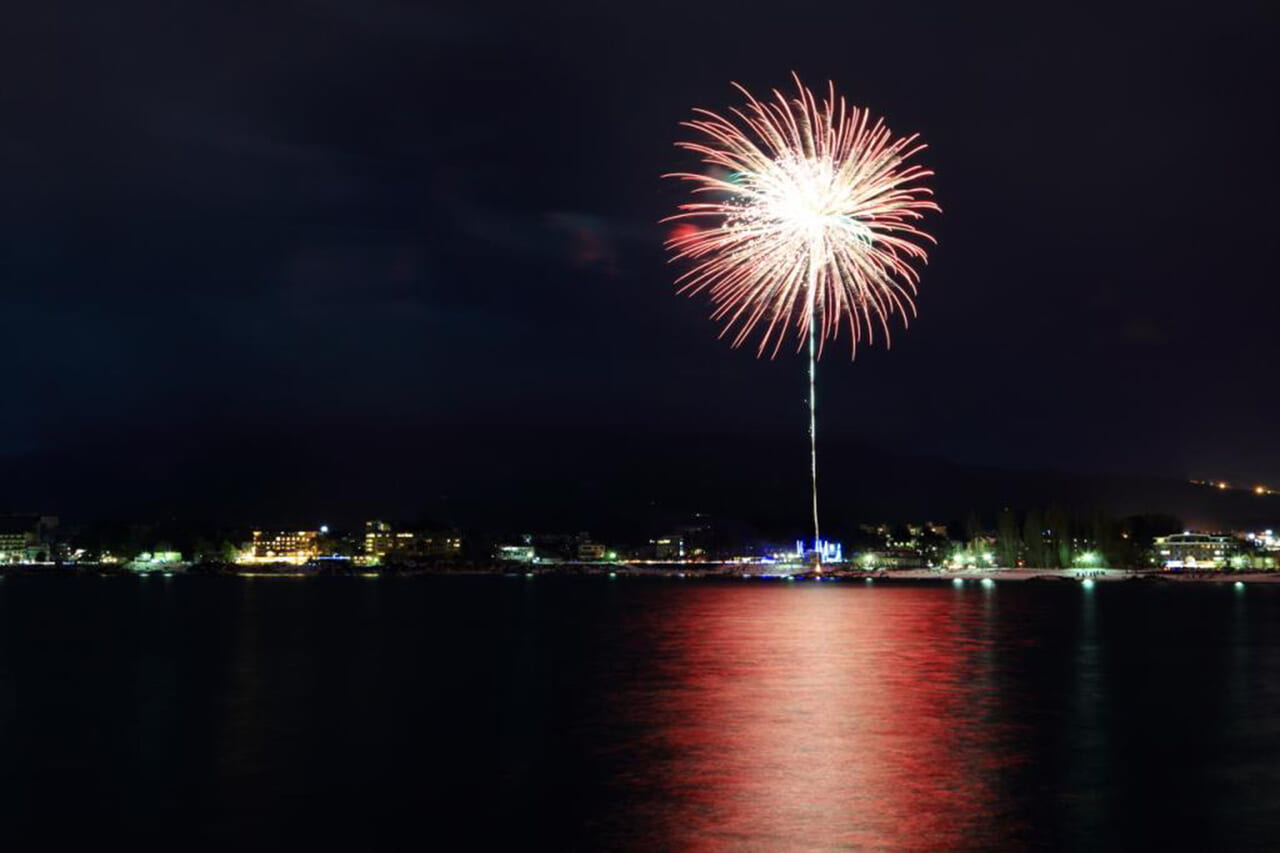
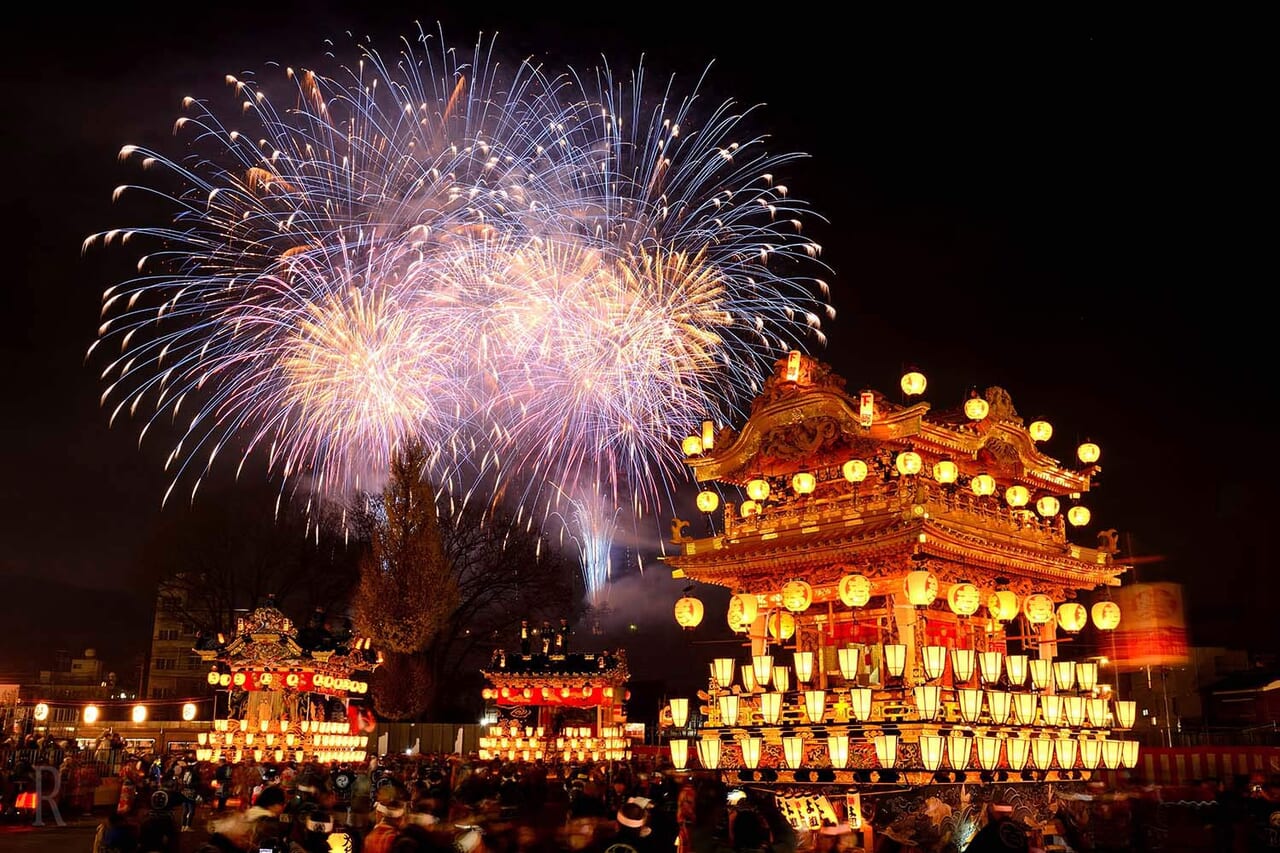
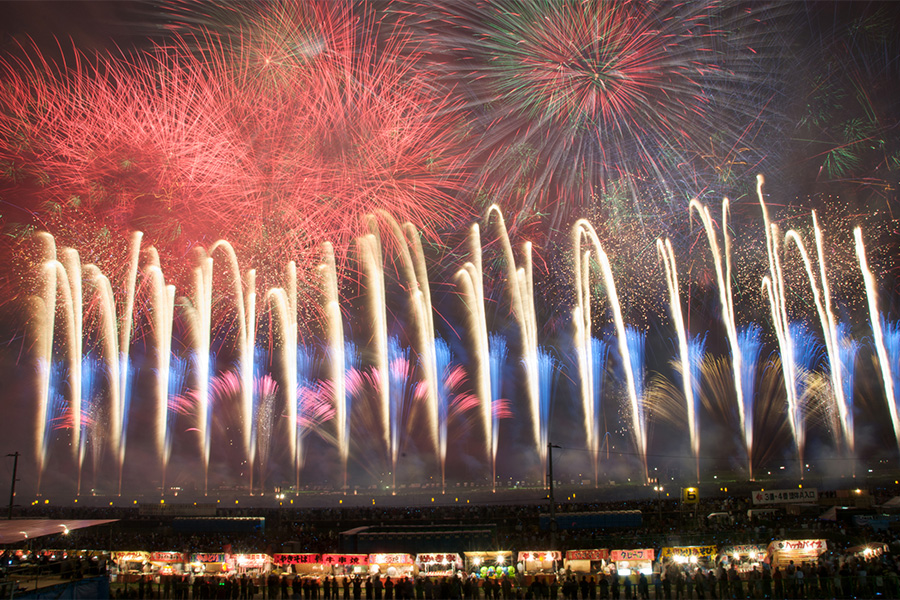
The Kawaguchiko Winter Fireworks Festival is a representative winter event of Lake Kawaguchi. Fireworks are launched simultaneously from three locations along the lakeshore, allowing visitors to enjoy a unique winter landscape along with snow-covered Mount Fuji. The main venue, Oike Park, is about a 20-minute walk from Kawaguchiko Station. Alternatively, you can take the Kawaguchiko sightseeing bus "Red-Line" and get off at "Kawaguchiko Herb Hall." Food trucks and other vendors will be set up around the venue. The fireworks display is short, lasting only about 20 minutes, and it can get crowded as spectators move all at once after it ends. If you stay at accommodations along Lake Kawaguchi, you can enjoy the fireworks and then return to your accommodation to warm up in a hot spring.
recommendation:https://zh-tw.asafuji.jp/
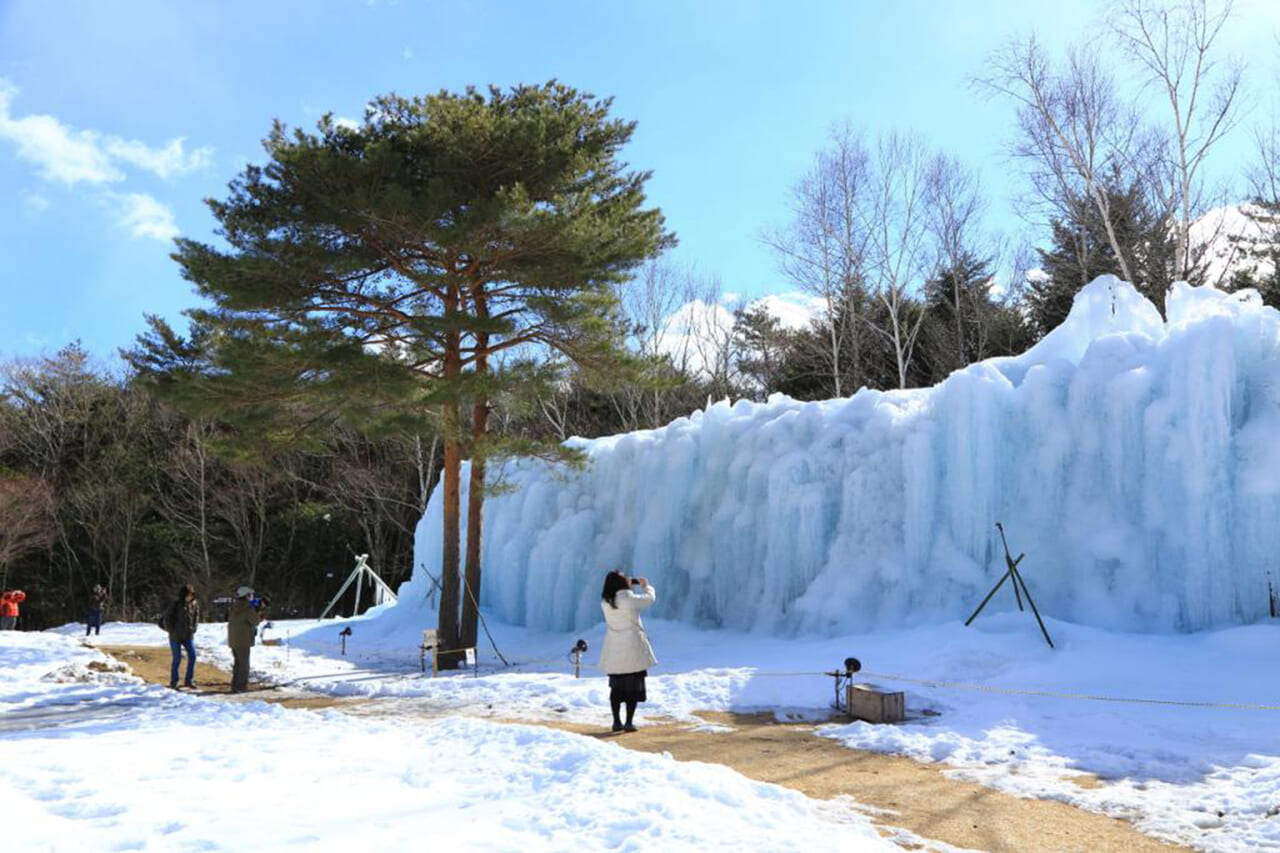
The "Saiko Ice Festival," formerly known as the "Saiko Ice Tree Festival," has been held since 1999. Its name was changed to its current name in 2024. Taking advantage of the harsh cold around Lake Saiko, impressive ice sculptures, some reaching several meters in height, are created by gradually freezing a framework while dousing it with water. Booths selling local specialties and other products also appear on weekends and holidays.
Access: Take the Lake Saiko sightseeing bus from Kawaguchiko Station (approximately 45 minutes) and get off at "Saiko Wild Bird Forest Park".
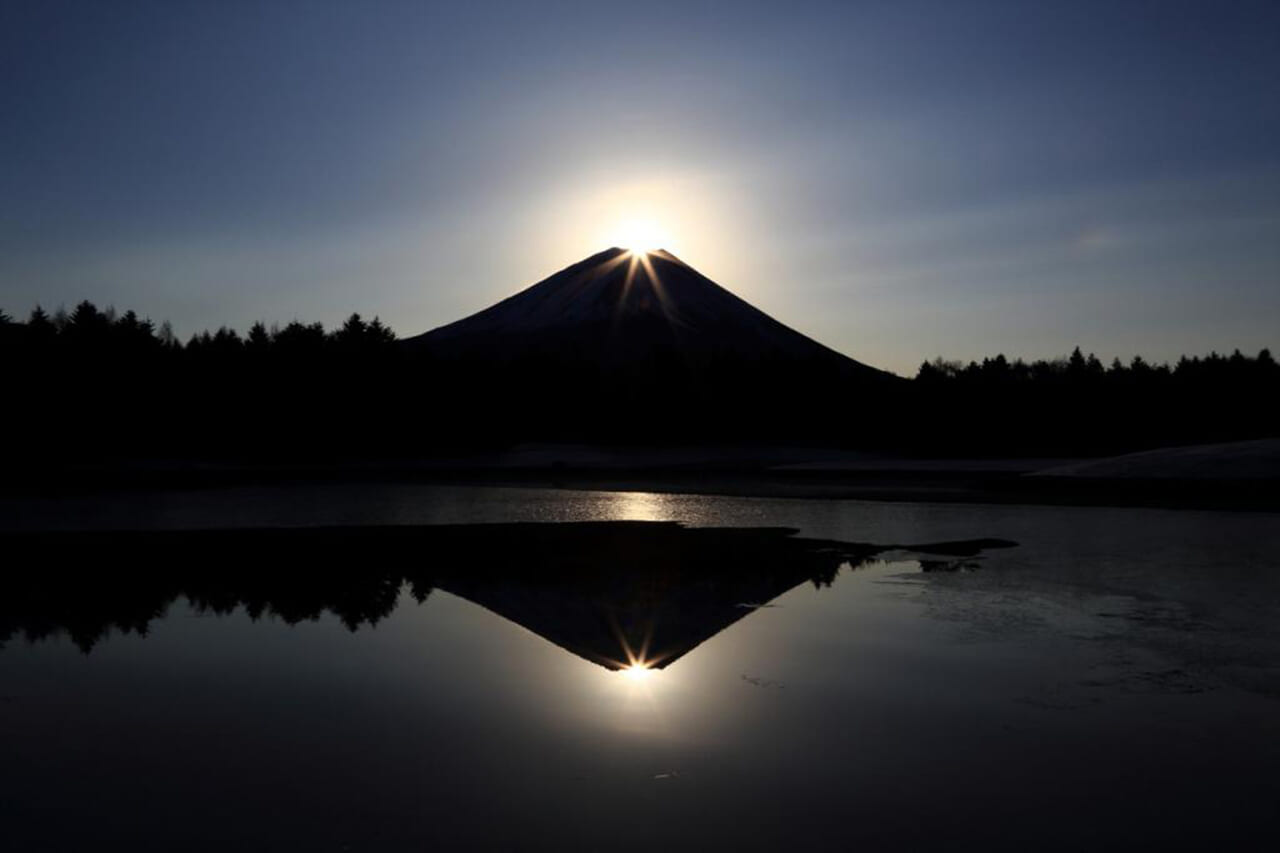
"Diamond Fuji" is a phenomenon where the setting sun aligns perfectly with the summit of Mount Fuji, making it appear to shine like a diamond. Because Lake Yamanaka is located on the northeast side of Mount Fuji, there is a chance to see Diamond Fuji somewhere along the lakeshore in the evenings from mid-October to late February. The best viewing locations change depending on the date. For example, from late November to mid-January, the area around "Hana no Miyako Park" becomes a good viewing spot.
Access: Approximately 40 minutes by car from Lake Kawaguchi

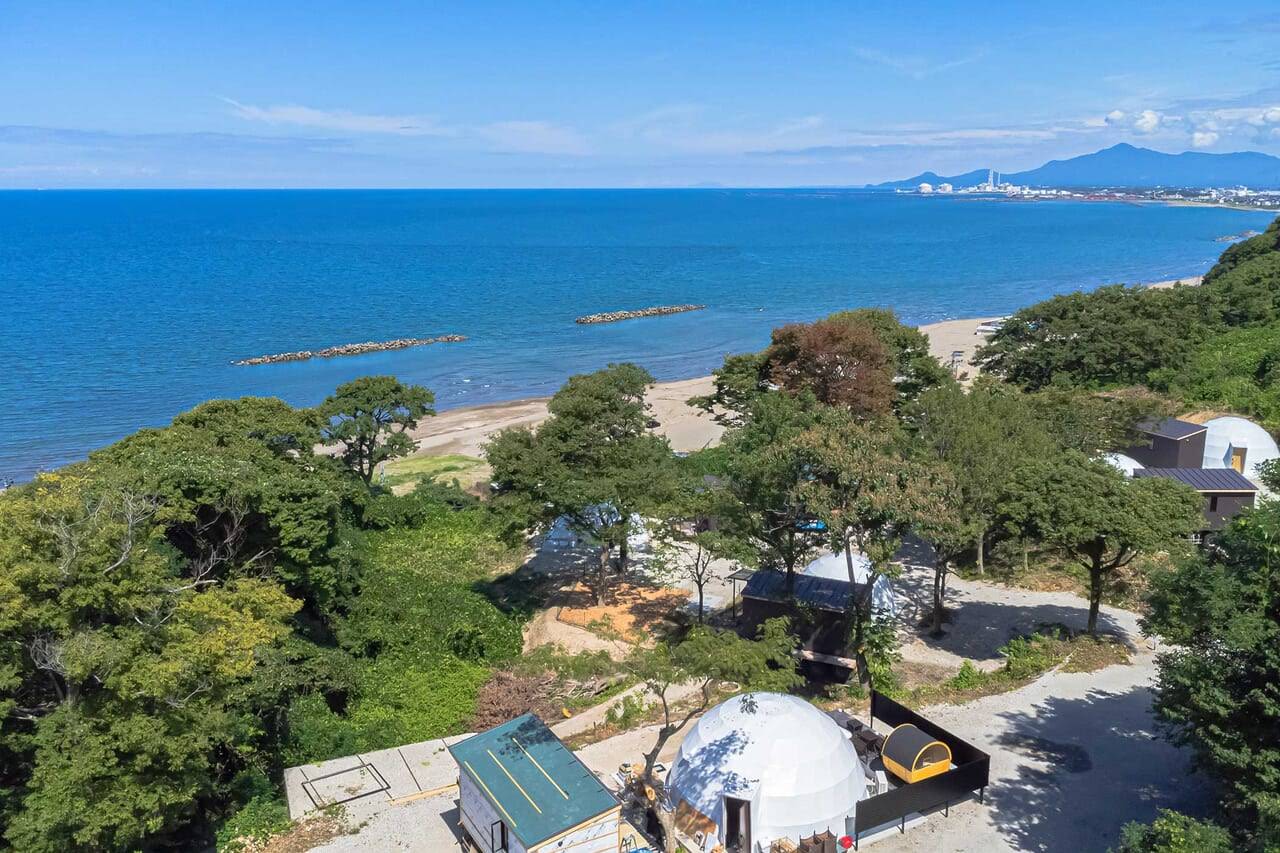
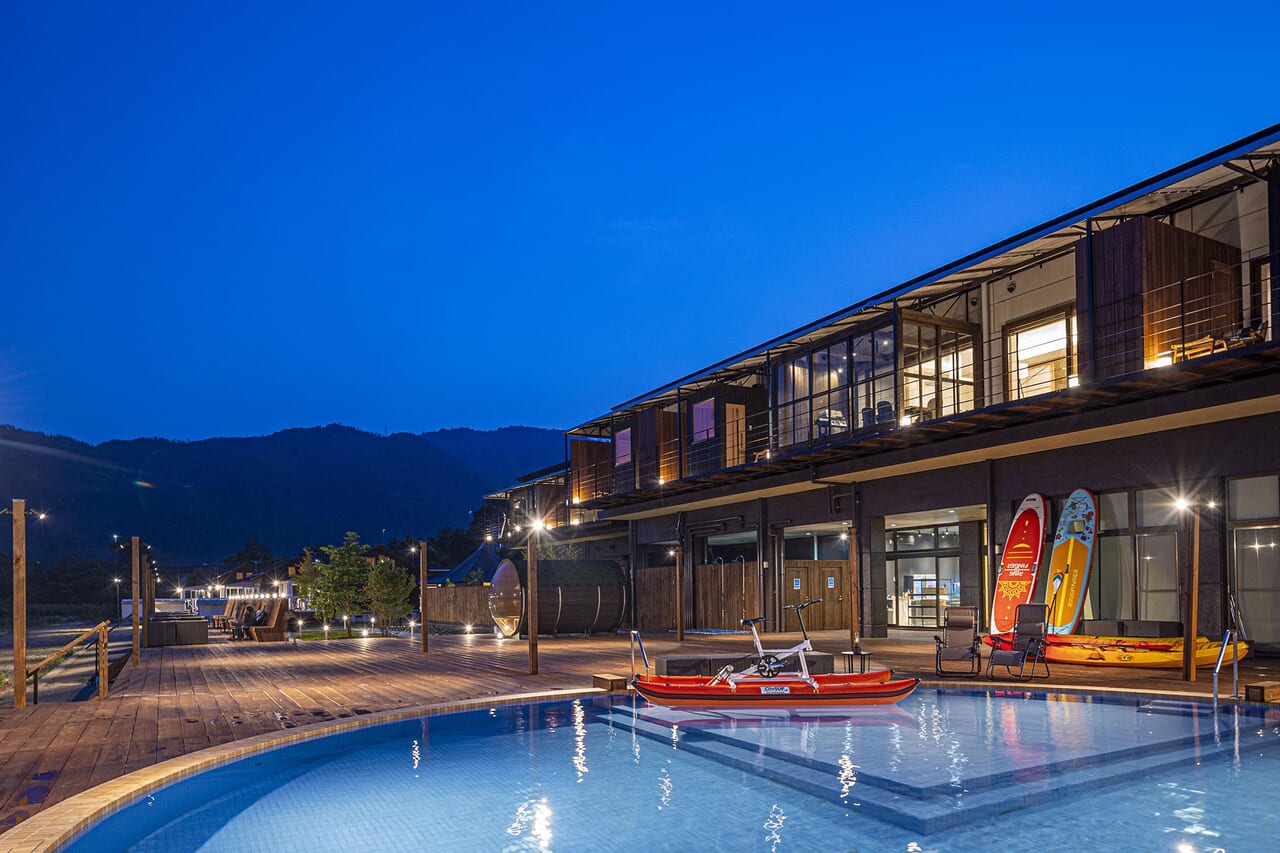
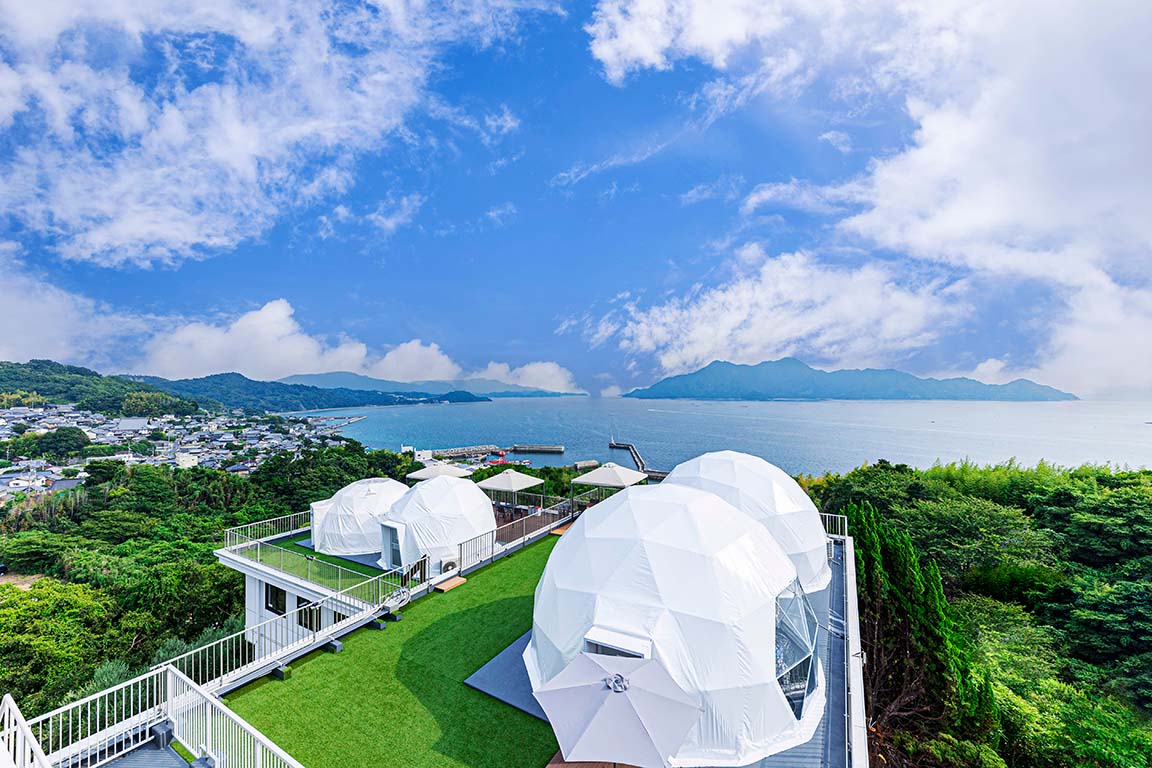
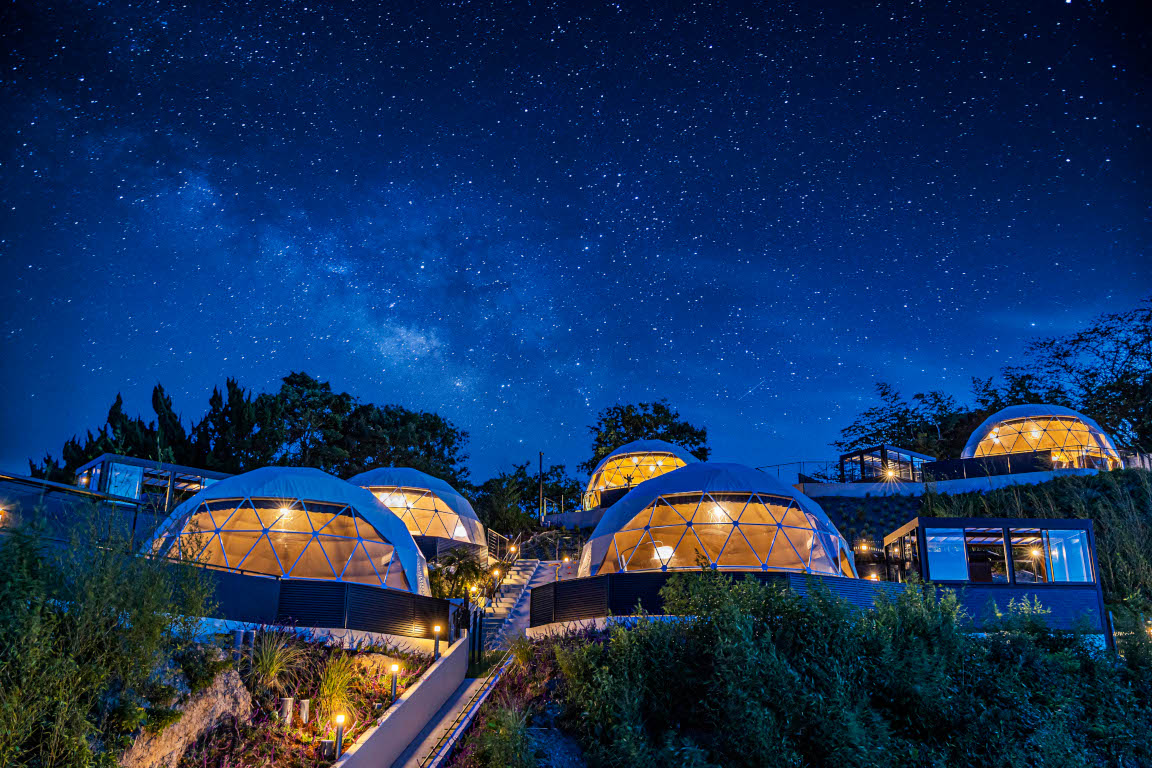
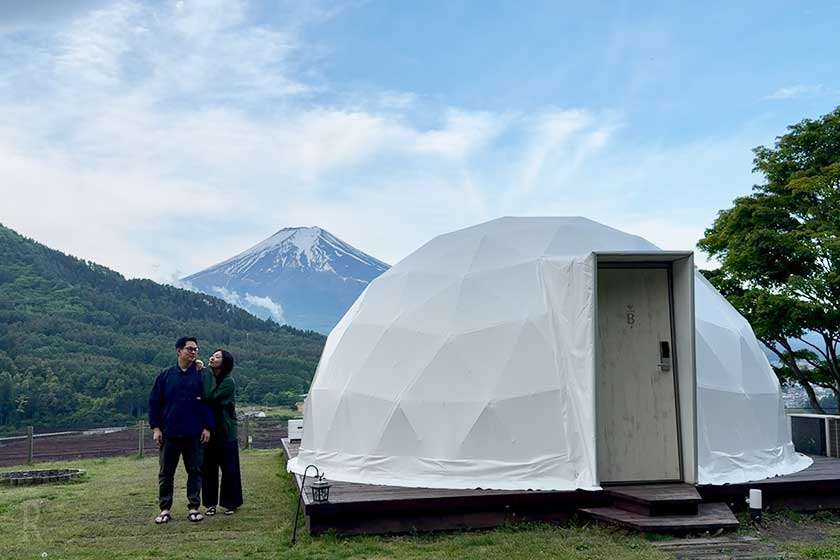
Located in Fujikawaguchiko Town, Yamanashi Prefecture, approximately 95 minutes from Tokyo, this luxury glamping facility is surrounded by abundant nature. Its main attraction is the environment where you can enjoy a sky full of stars with the naked eye. In addition to its excellent facilities, a variety of rental items and services are also available. For meals, you can enjoy carefully selected domestic chicken thighs, high-quality Angus beef, and Yamanashi's specialty, Hoto noodles.
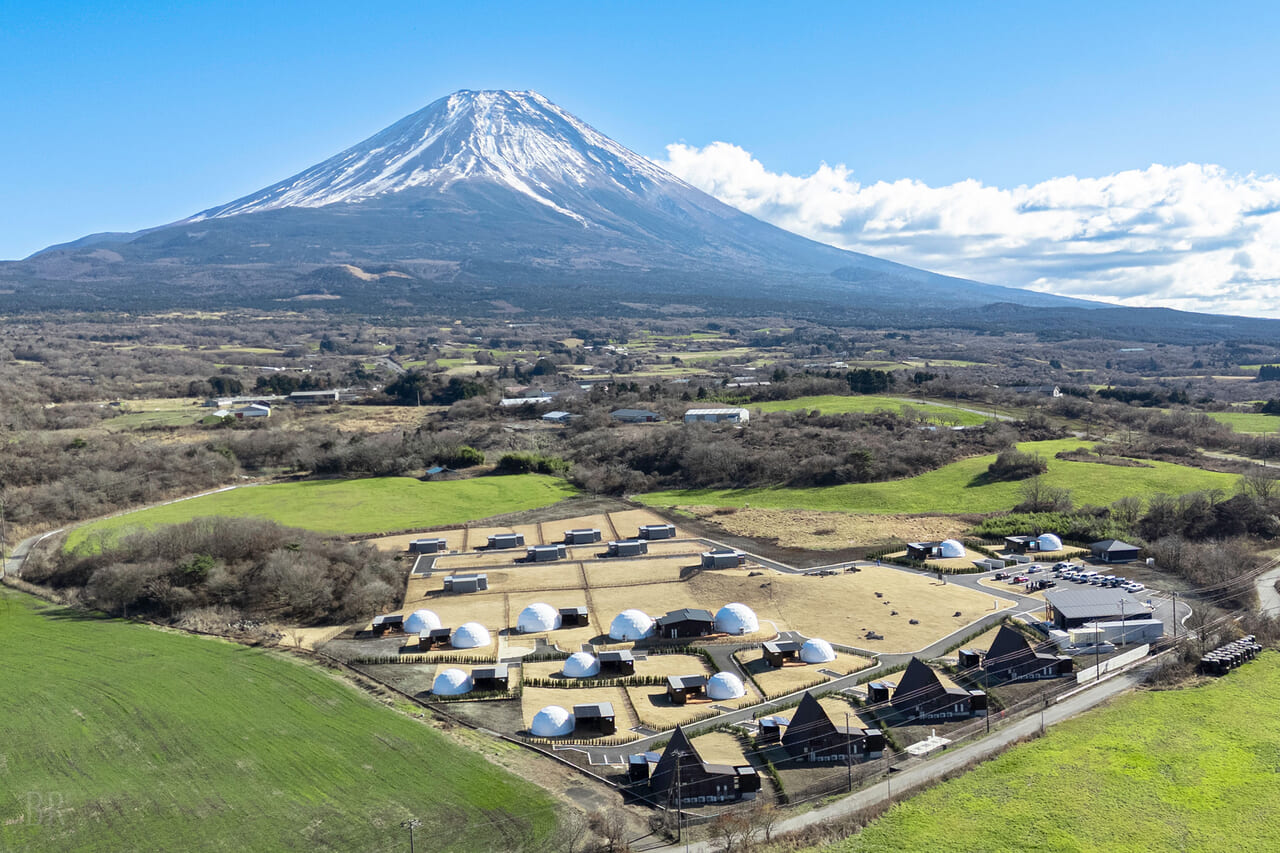
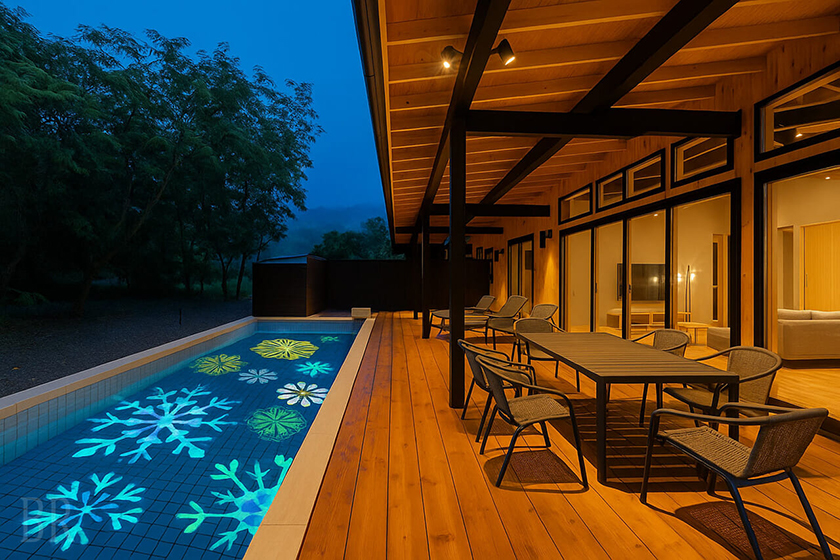
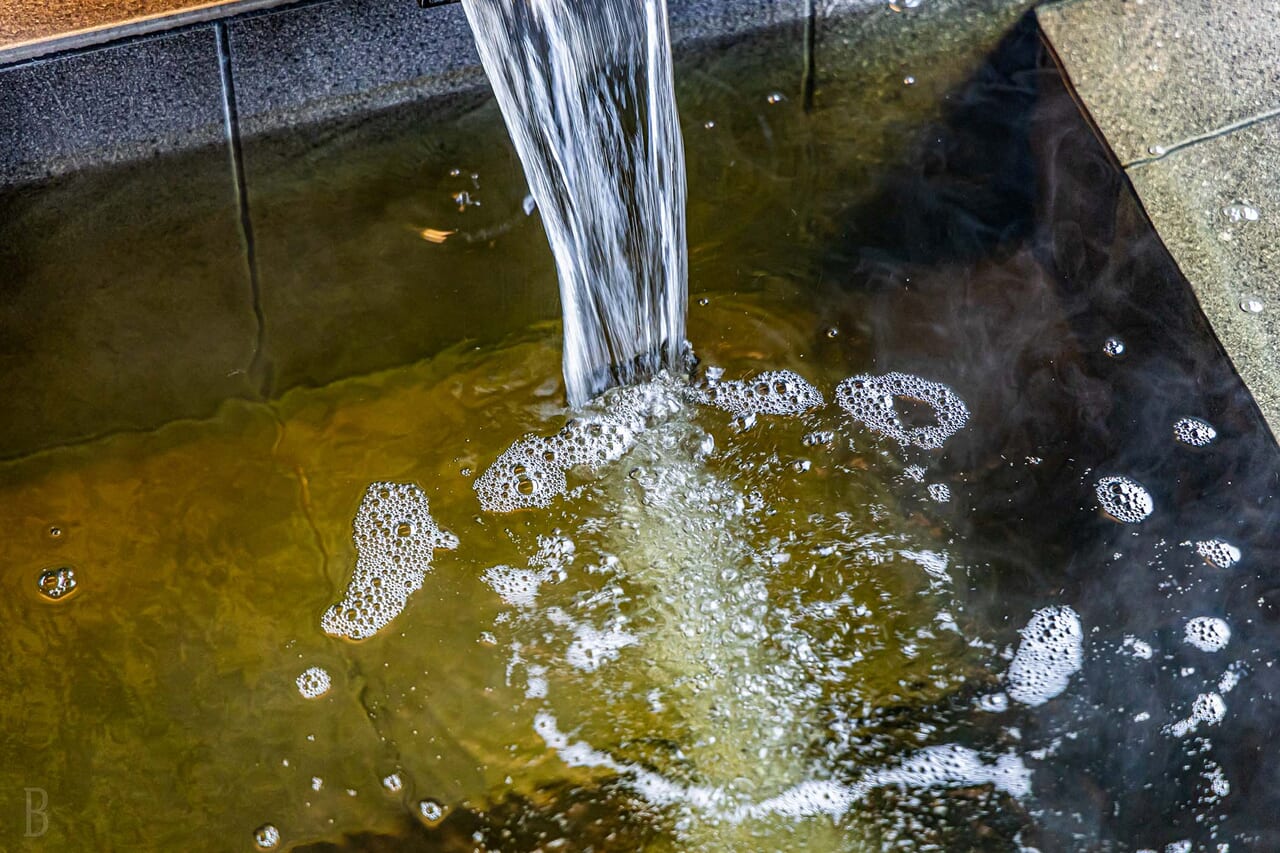
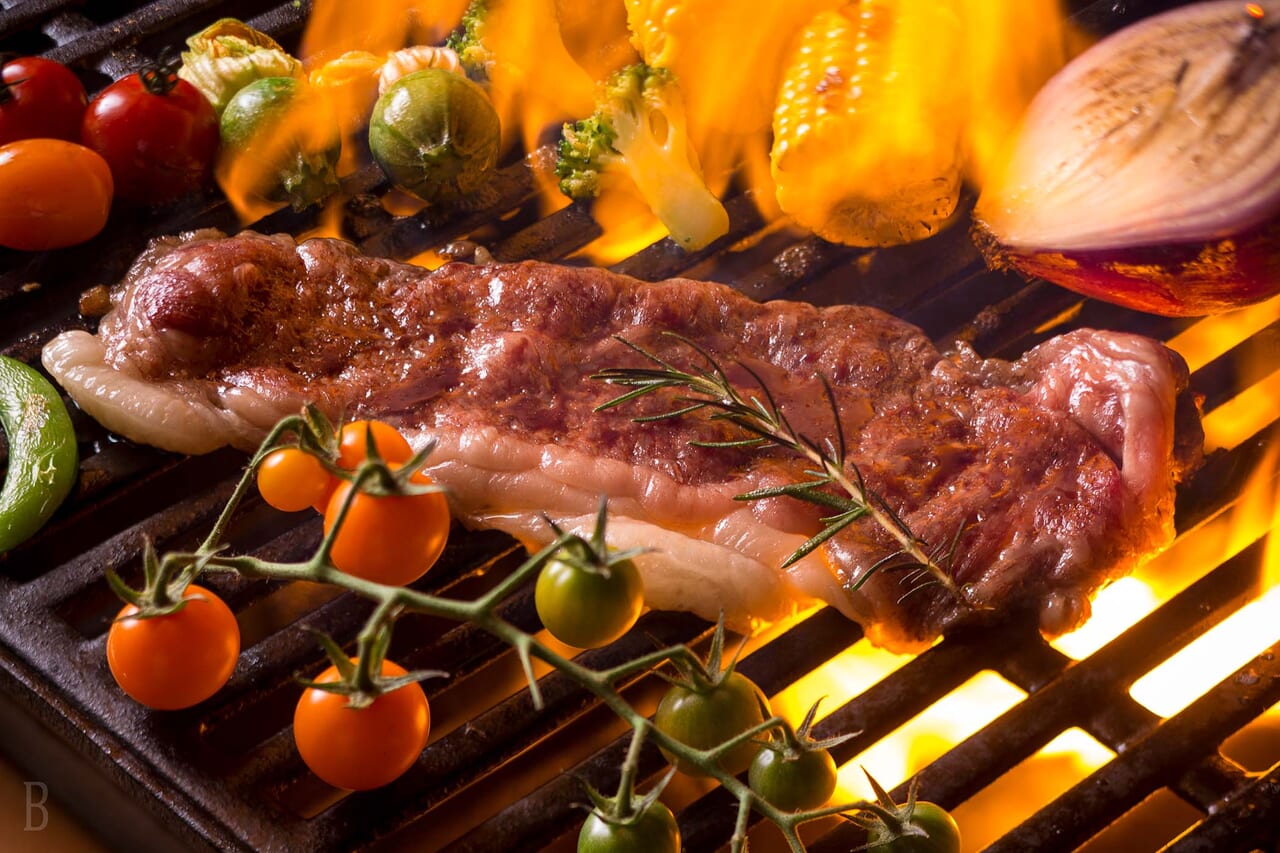
This luxury glamping resort has opened in the Lake Kawaguchi area and is easily accessible, just about a 90-minute drive from Tokyo. Each guest room features a private bath using high-concentration vanadium-rich hot spring water from the foot of Mt. Fuji. Guests can also enjoy a private sauna, bonfire, and free bar in their room. For meals, guests can savor dishes such as Koshu Shingen pork shoulder loin steak and Shingen chicken thigh steak.
Yes. Snow can fall in Kawaguchiko from December to March. January tends to have more snowy days, and February tends to have heavier snowfall. However, the snow doesn't always accumulate very deep around the lake, so if you want to see a more authentic snowscape, it's recommended to venture to the areas around Saiko or Yamanakako. You can see the beautiful snow-covered summit of Mt. Fuji throughout the winter.
Winter is one of the best seasons to see Mount Fuji. The air is dry and there are many sunny days, so visibility is especially good from early morning to midday. On the other hand, clouds tend to increase in the afternoon, so if you want to photograph Mount Fuji, it is recommended to leave early in the morning or stay overnight around Lake Kawaguchi.
The dates for the 2027 event have not yet been officially announced. The 2026 Kawaguchiko Winter Fireworks were held on Saturdays and Sundays from January 24th to February 23rd, and on February 23rd, from 8:00 PM to 8:20 PM each day, and admission was free. It is expected that the event will be held again in late January to late February in 2027, but please check the official announcement from Fujikawaguchiko Town for the exact dates.
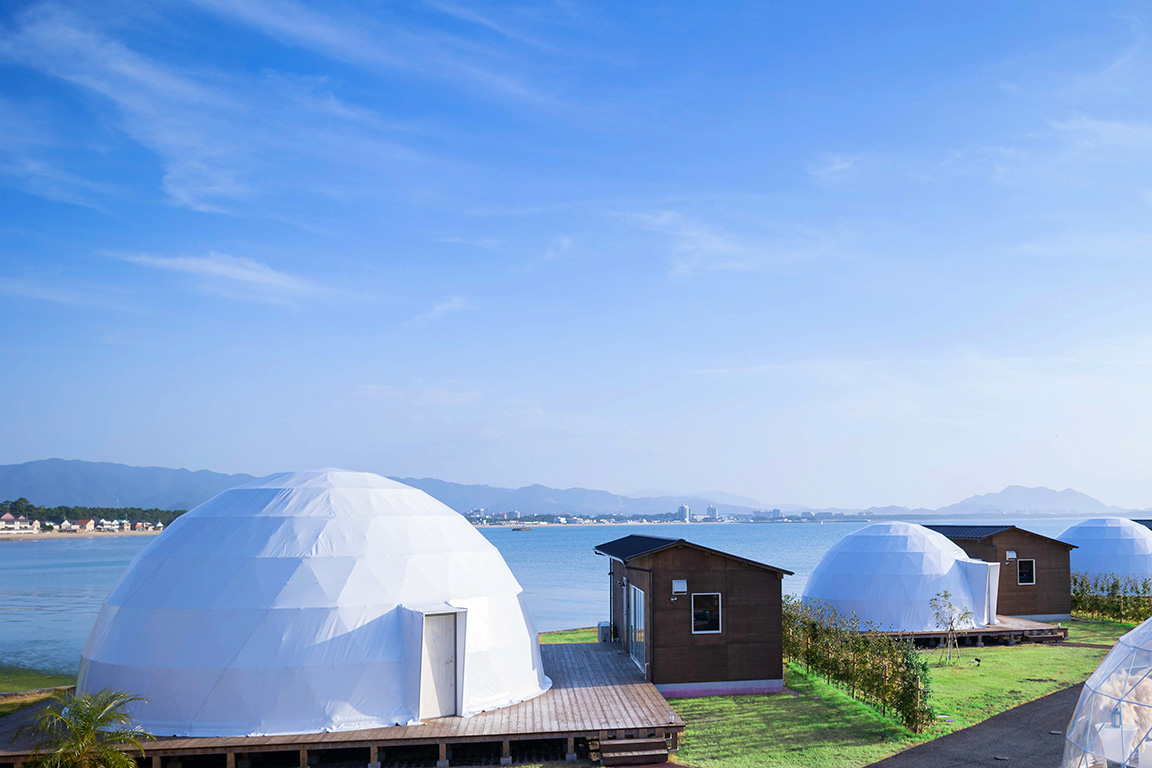
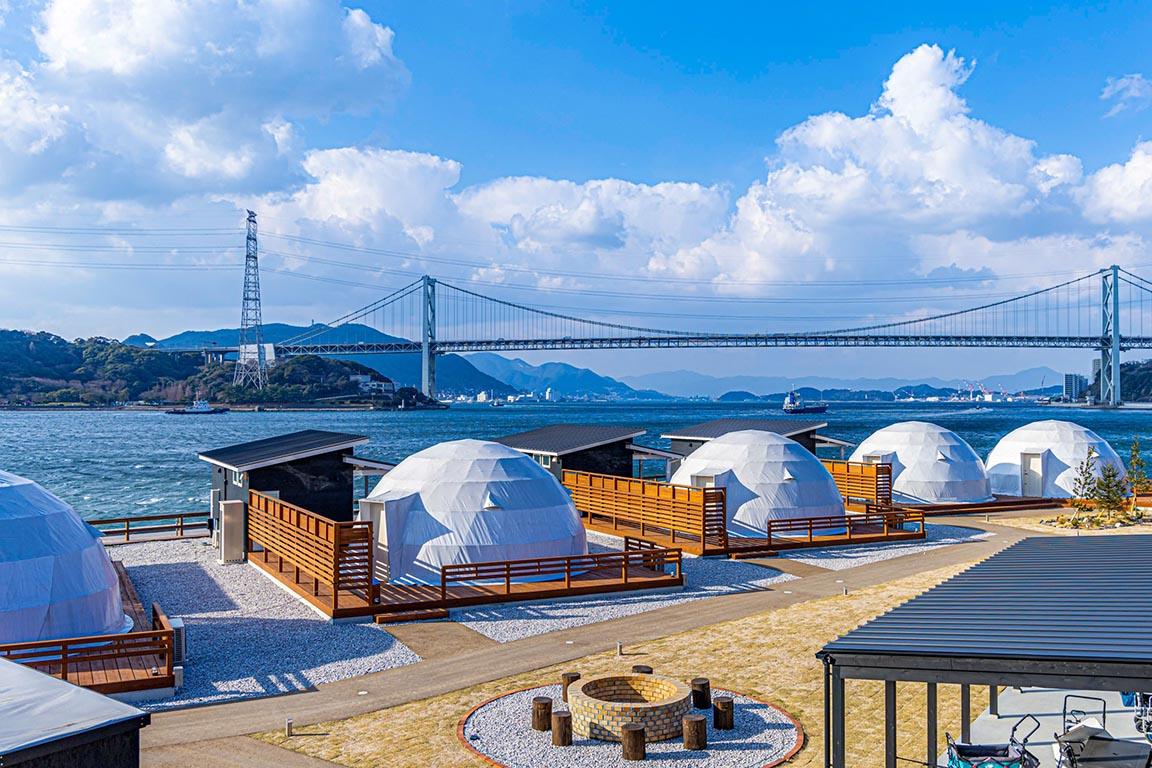
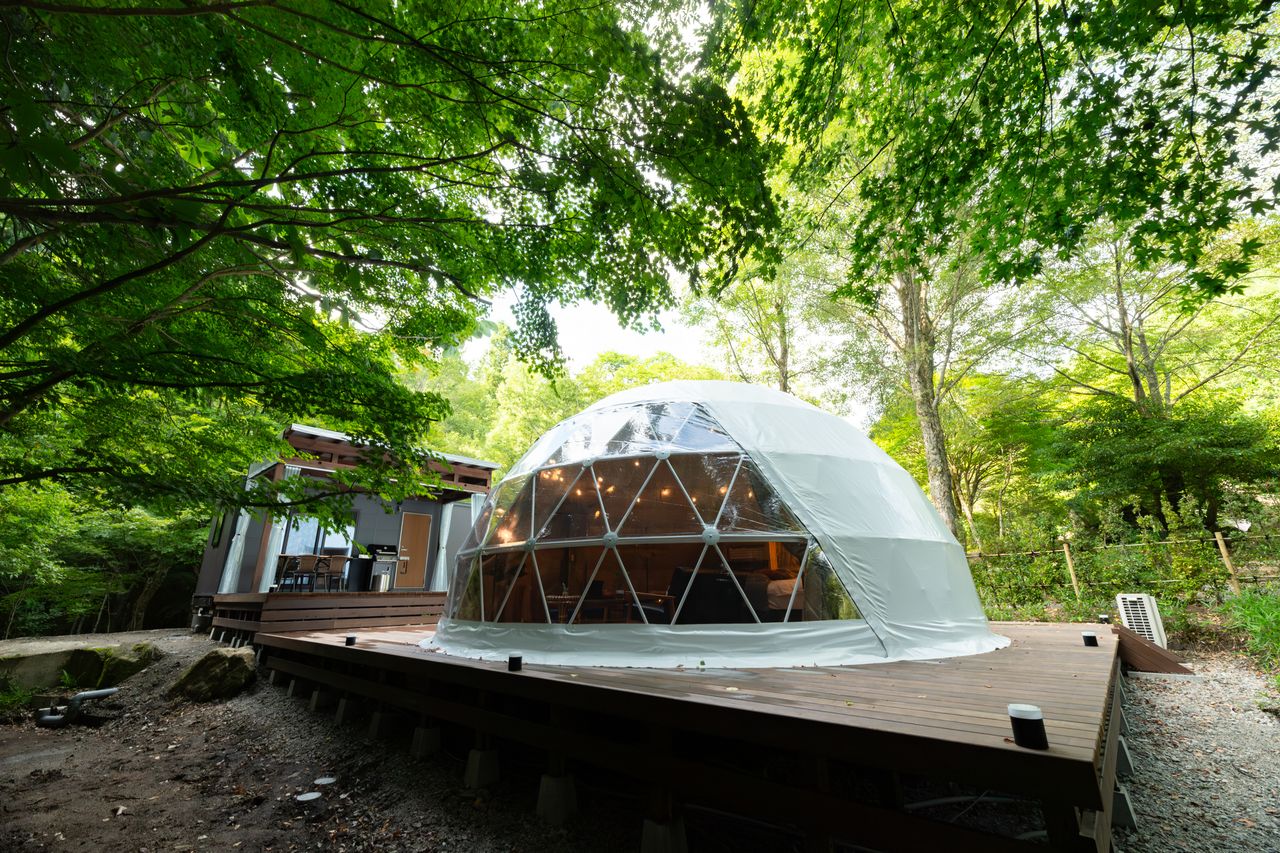
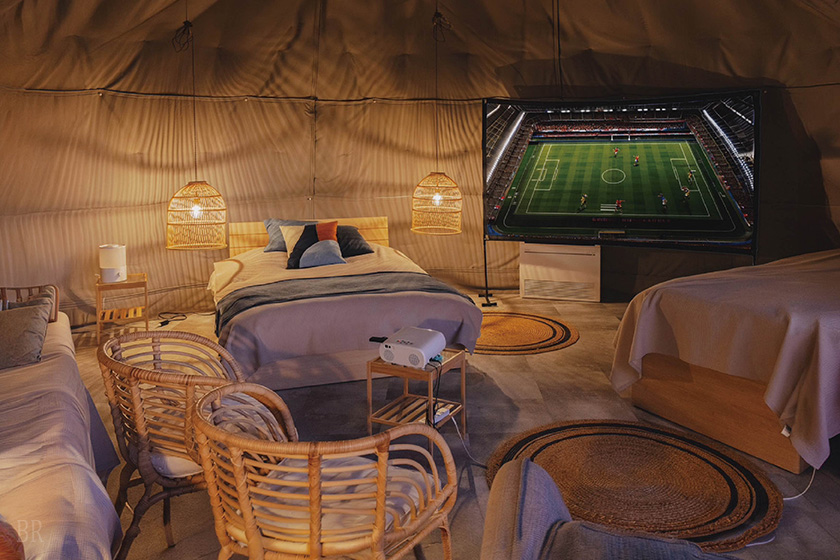
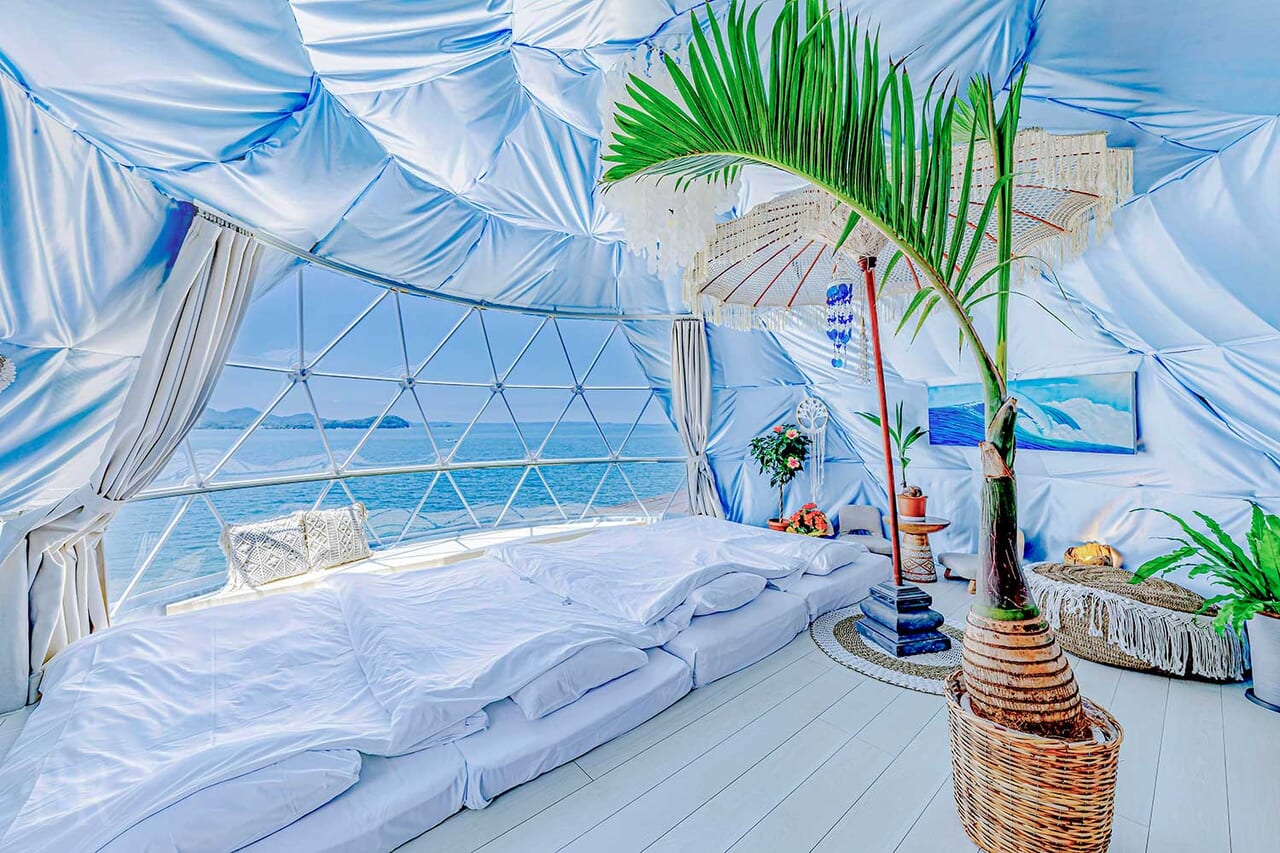
Dome tents like HOSHIFULL DOME FUJI are equipped with heating and air conditioning, ensuring a comfortable stay even in winter. Glamping B&V Mt.Fujikawaguchiko also offers in-room baths and saunas, perfect for warming up after watching winter fireworks. However, be sure to bring warm clothing, as it can get quite cold if you plan to enjoy a BBQ or other outdoor activities.
While winter in Kawaguchiko is bitterly cold, it's also one of the best times of year to enjoy a clear view of Mount Fuji. In January, focus on photographing snow-covered Mount Fuji, and in February, combine the Kawaguchiko Winter Fireworks, the Saiko Ice Festival, and the snowy scenery for a truly enjoyable experience. Spend your daytime admiring the snowy landscape and Mount Fuji, enjoy the winter fireworks at night, and then relax and warm yourself at accommodations with hot springs and saunas. This kind of itinerary will allow you to fully experience the unique winter charm of Kawaguchiko.

He is an editor at Resort Glamping.com, a glamping-focused media outlet visited by approximately 100 million people a month. He has written over 150 articles introducing glamping facilities and experience reports, and is involved in a wide range of glamping facility services, from planning and development to operation and customer acquisition consulting.