
Resort Glamping.com
Nationwide (Hokkaido, Tohoku, Kanto, Koshinetsu, Kansai, Tokai, Chugoku, Shikoku, Kyushu, Okinawa)
Resort Glamping.com
Nationwide (Hokkaido, Tohoku, Kanto, Koshinetsu, Kansai, Tokai, Chugoku, Shikoku, Kyushu, Okinawa)
September 3, 2026
The winter of 2026-2027 is predicted to see a particularly strong El Niño phenomenon in the Pacific Ocean, the strongest since observations began in 1950. Japanese meteorological agencies predict that this winter will be milder across Japan, with weaker cold air masses, and that snowfall may be below average in areas that typically receive heavy snow, such as Hokuriku and Tohoku. On the other hand, Hokkaido, due to its high latitude, has relatively stable snowfall in winter compared to the rest of the country. In addition, high-altitude areas such as Mount Fuji will be less affected by the mild winter, and it may be possible to enjoy the scenery of snow-covered mountaintops. This article introduces the snowfall trends for the winter of 2026-2027 across Japan, broken down by area.
table of contents
According to a preliminary report from the Japan Meteorological Agency, the El Niño phenomenon, which began around spring 2026, is intensifying, and sea surface temperatures in the affected area in July are 2.5°C above the baseline, which is a very high level even for the same month since 1950. Meteorological agencies are assessing that the sea surface temperature anomaly may reach the highest level on record.
Japan Meteorological Agency:https://www.data.jma.go.jp/multi/index.html?lang=cn_zt
| Region | snowfall trends | Notes |
|---|---|---|
| Hokkaido | The snowfall is highly stable throughout the country. | There's a possibility of a delayed first snowfall, so the period from the end of the year through February will be relatively safe. |
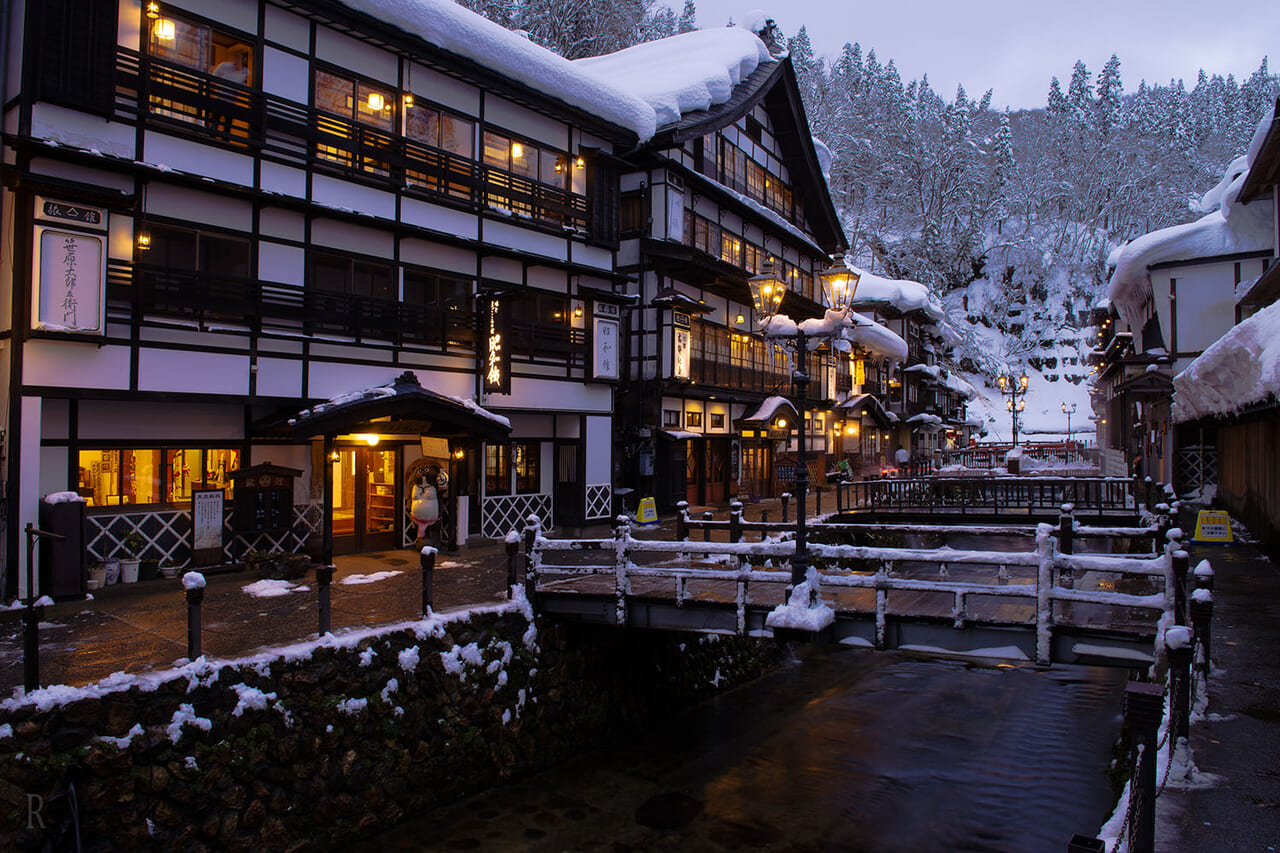
| Tohoku | There is a high possibility of a mild winter. | The period during which you can enjoy snowscapes such as frost-covered trees may be shortened. |
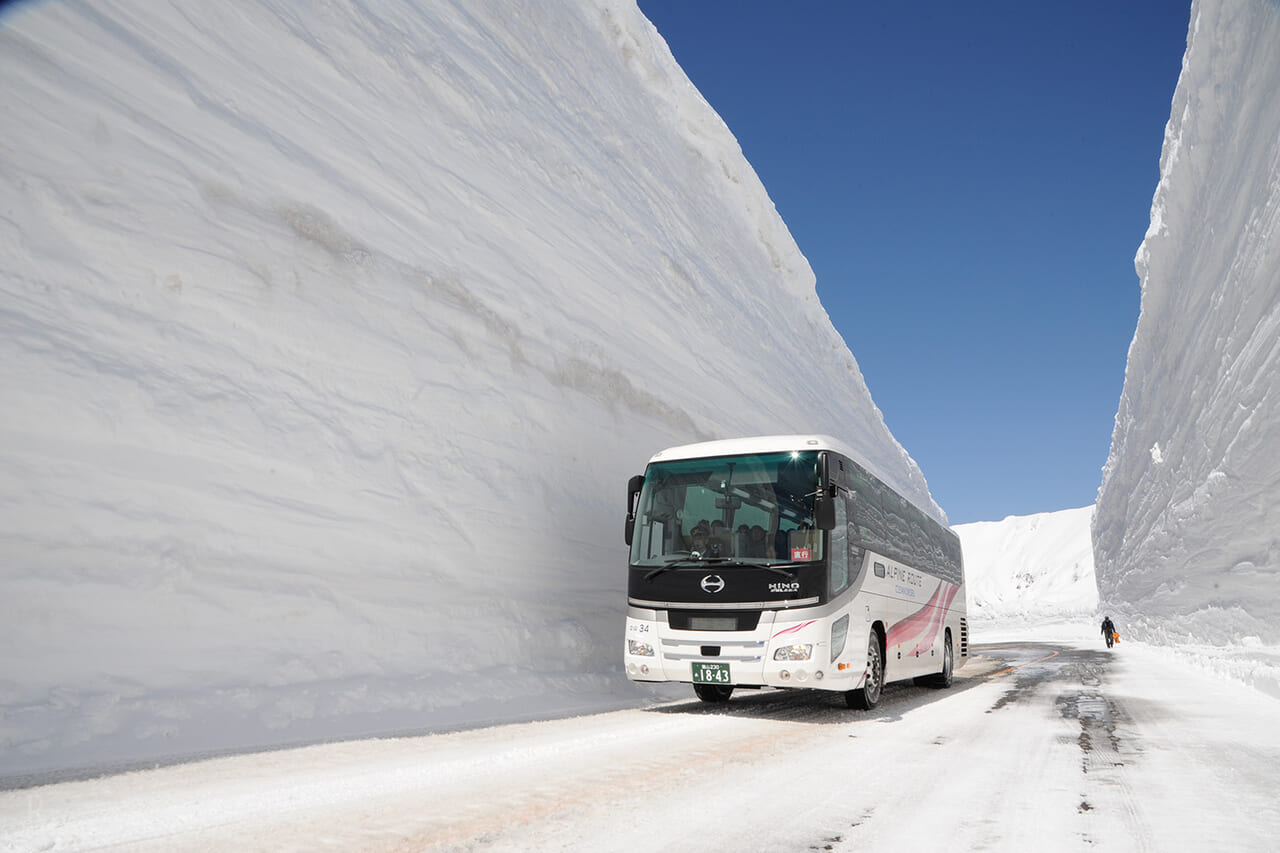
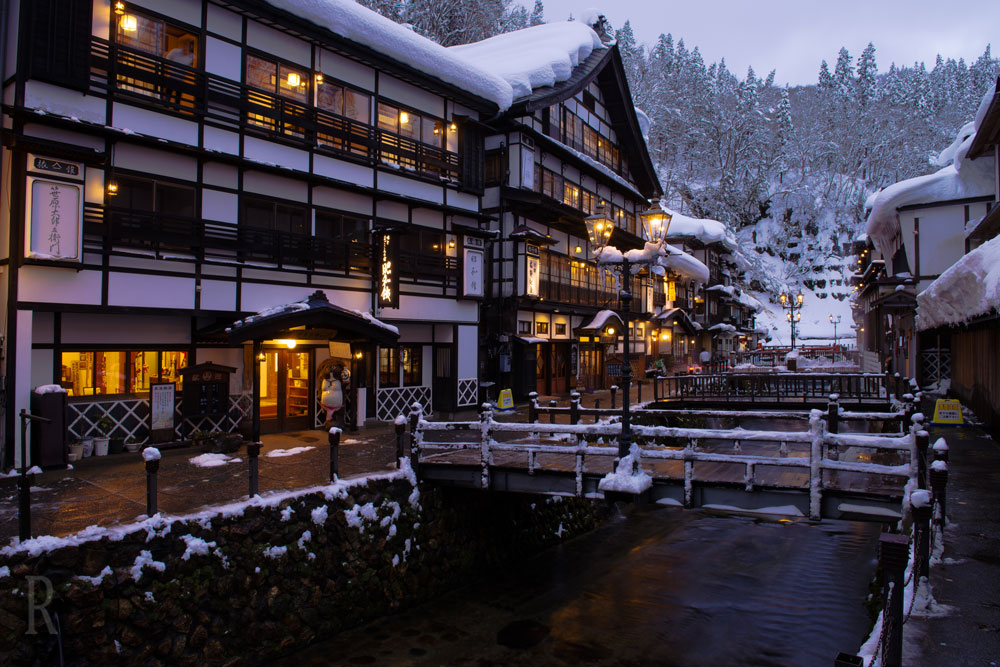
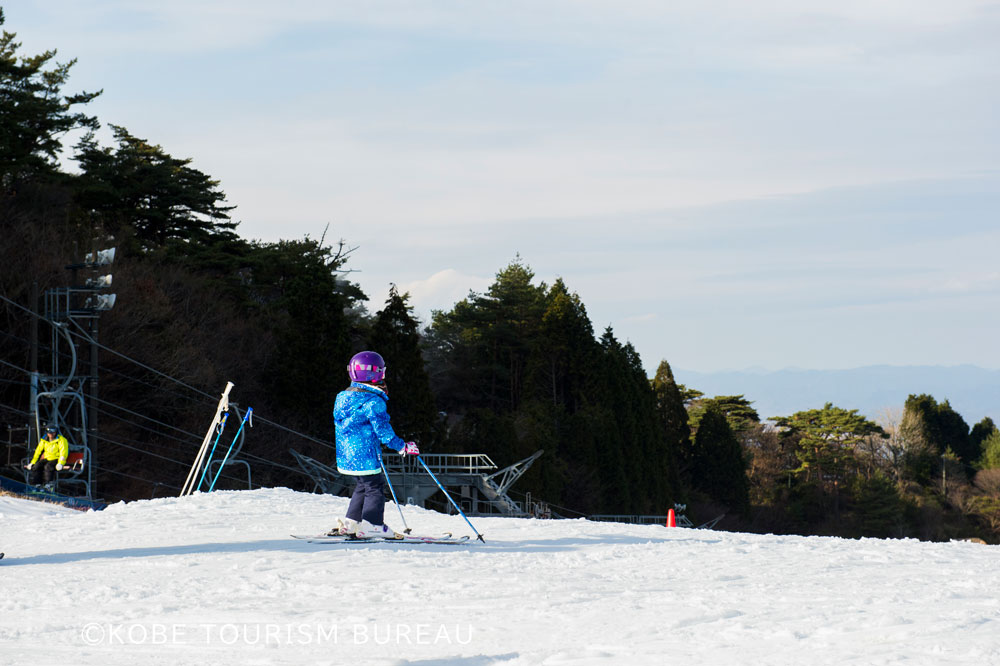
| Hokuriku / Koshinetsu | Although it is a heavy snowfall area, the amount of snowfall may be relatively low. | While ski resorts at higher altitudes tend to have relatively stable snow conditions, snow depths at lower elevations are more prone to fluctuations. |
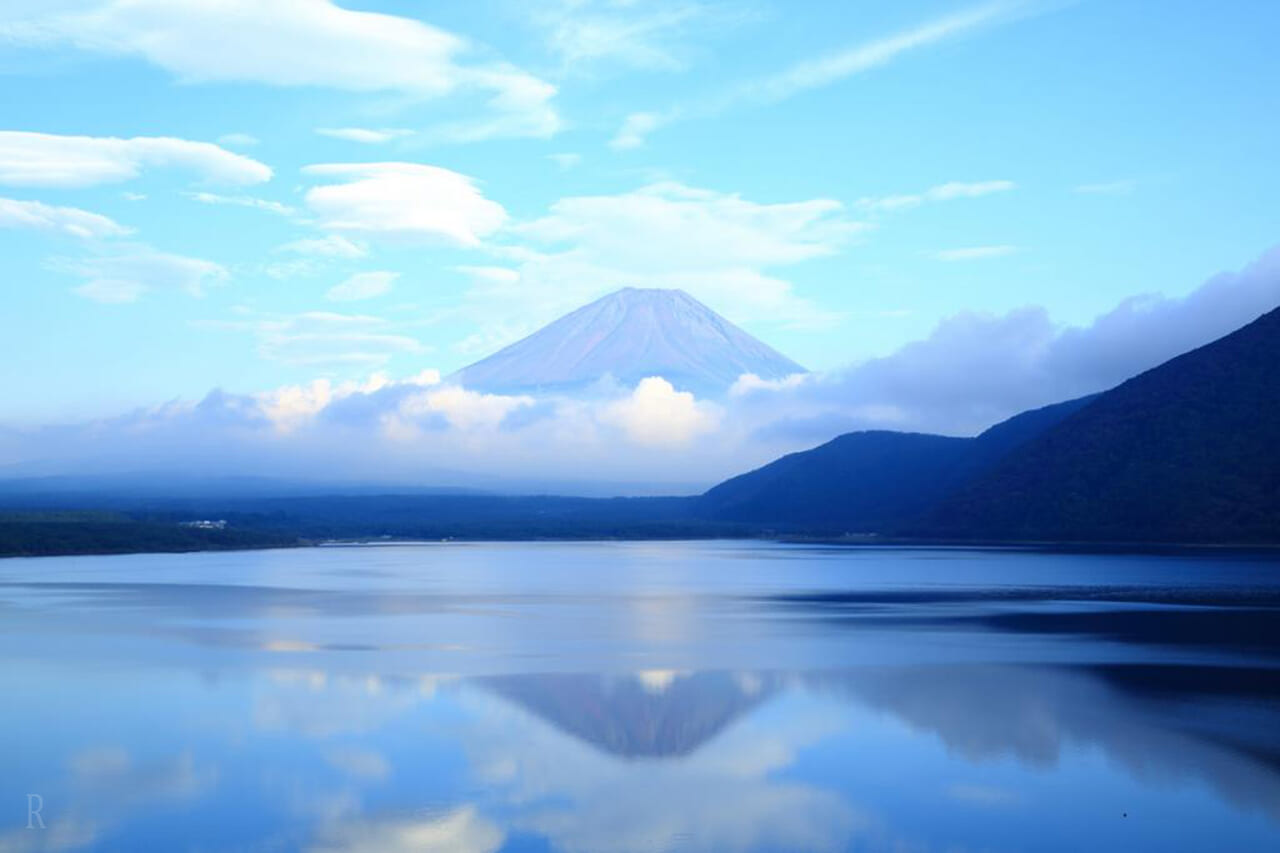
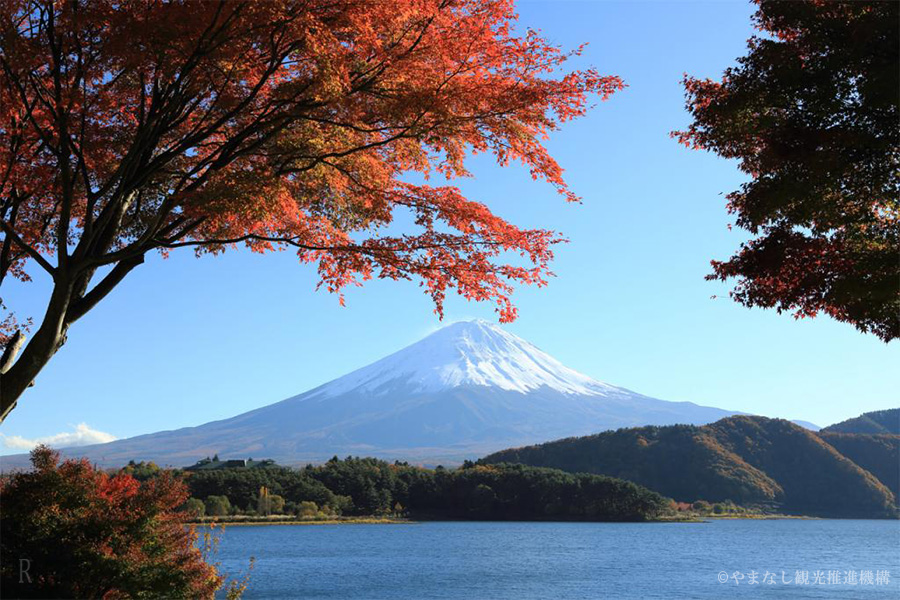
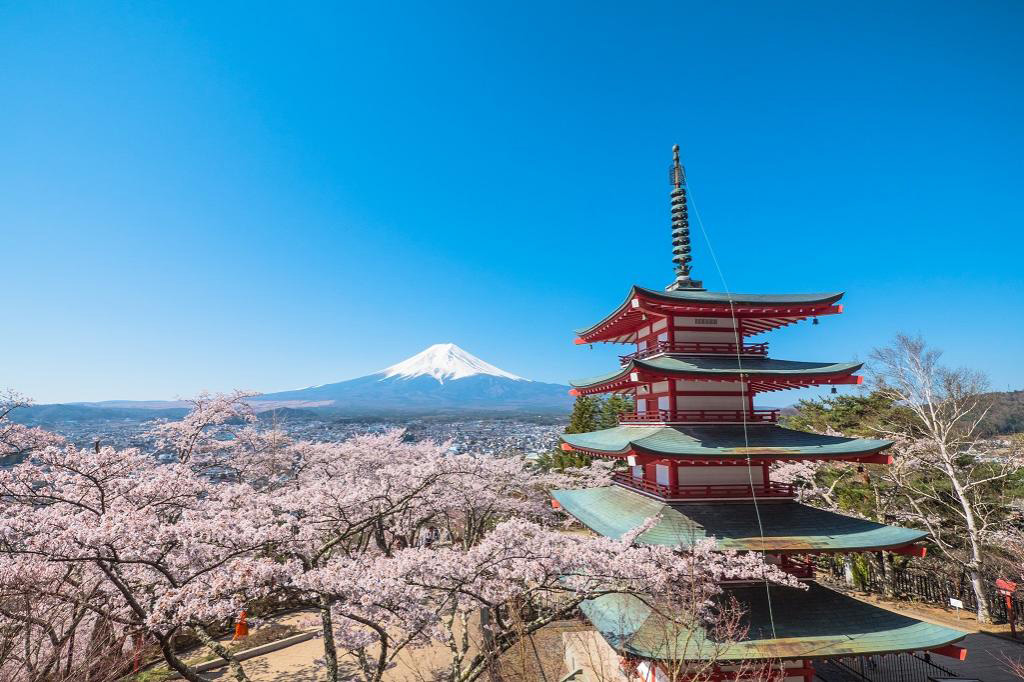
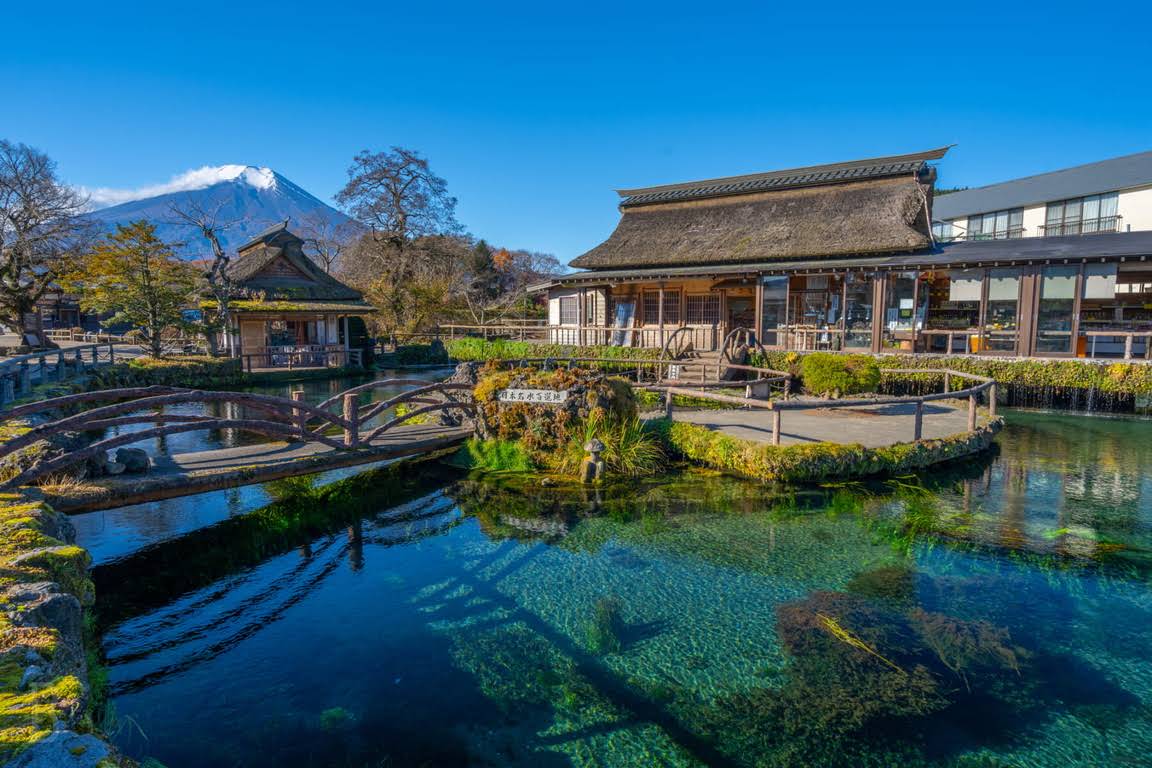
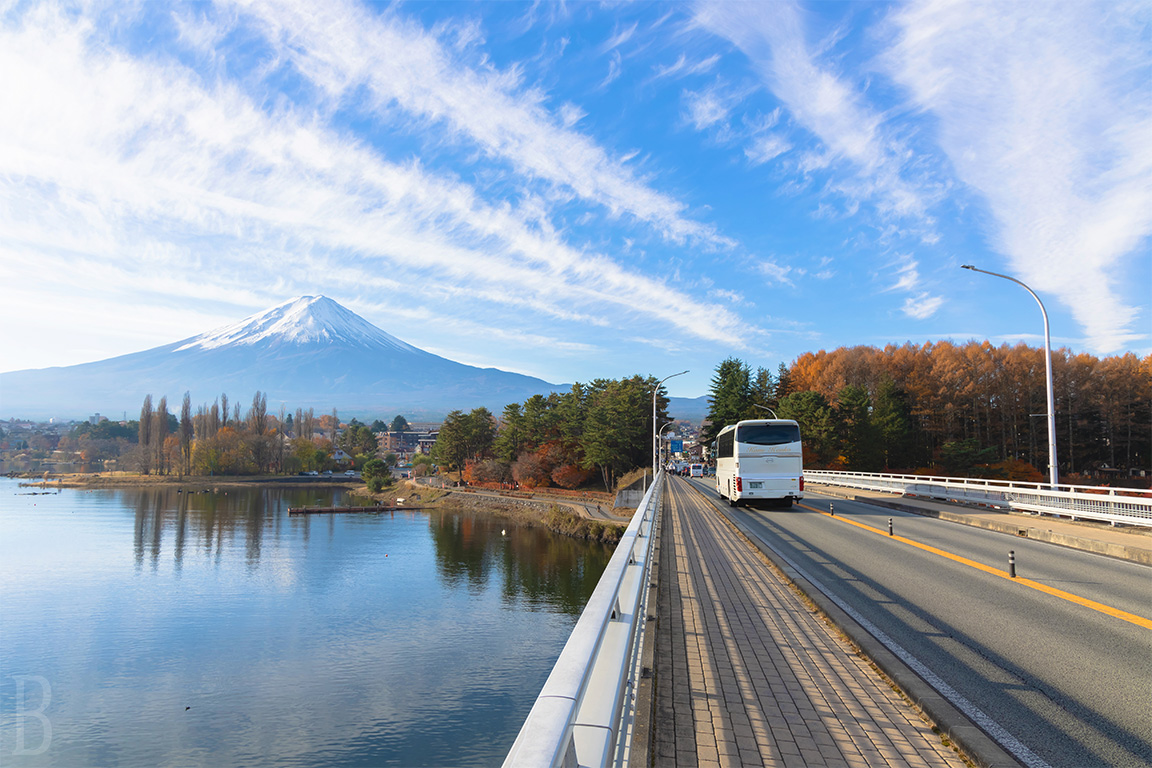
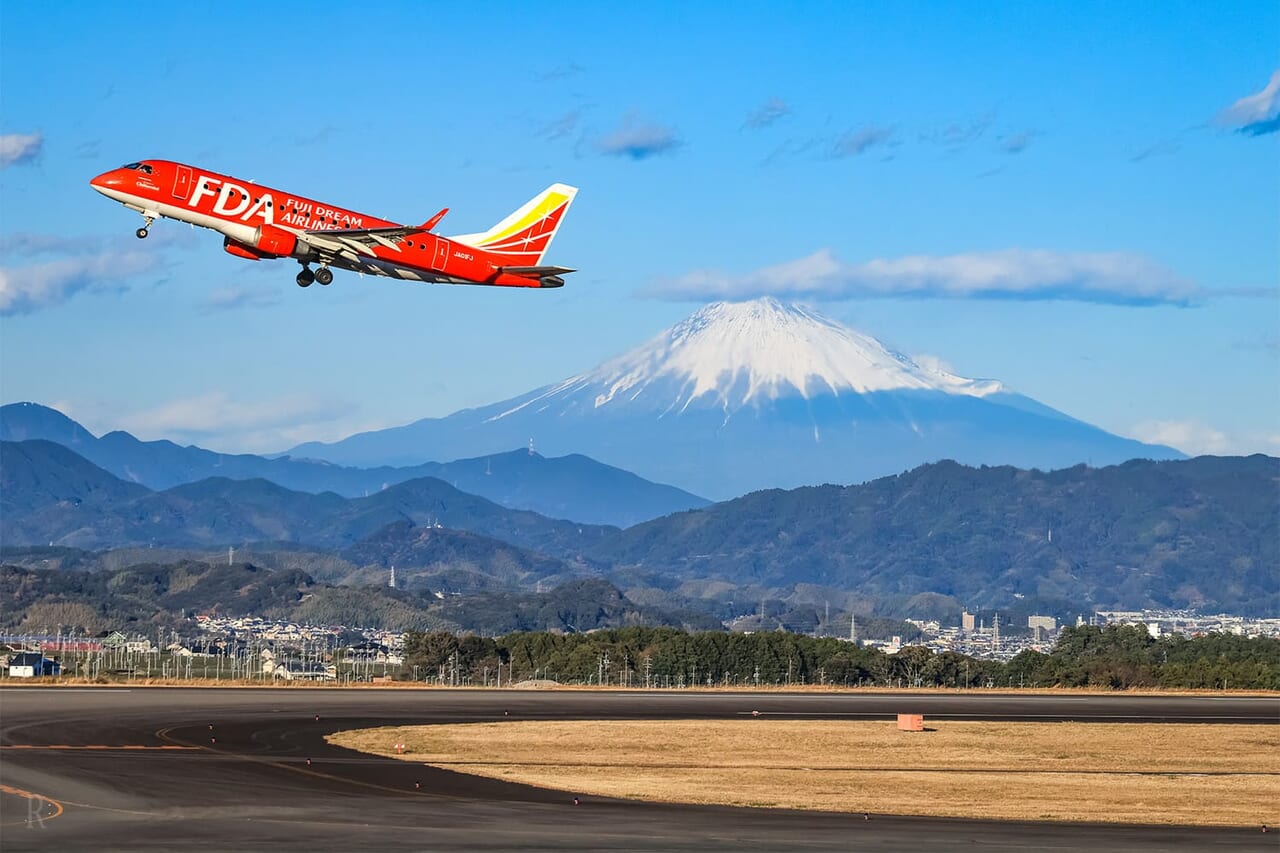
| Kanto region and the area around Mt. Fuji | While snowfall is light in the lowlands, the impact on mountain peaks is relatively small. | Mount Fuji is covered in snow from around November, and the snowy landscape at the summit is less affected by mild winters. |
| Tokai/Kinki | Snowfall is occasional in lowland areas. | Snowy scenery may be enjoyable in the mountainous areas of northern Kyoto and northern Hyogo. |
| Chugoku, Shikoku and Kyushu | The probability of snowfall is inherently low. | The effects of the mild winter are relatively small, making it ideal for trips focused on hot springs and gourmet food. |
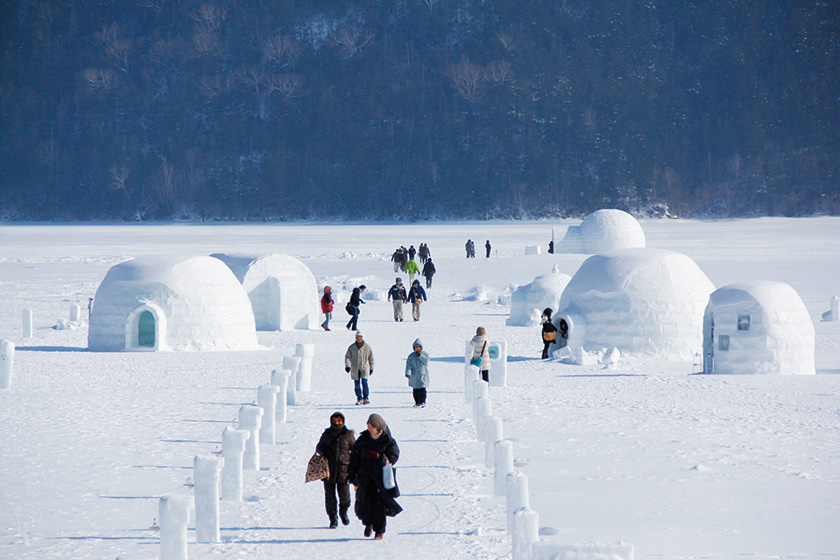
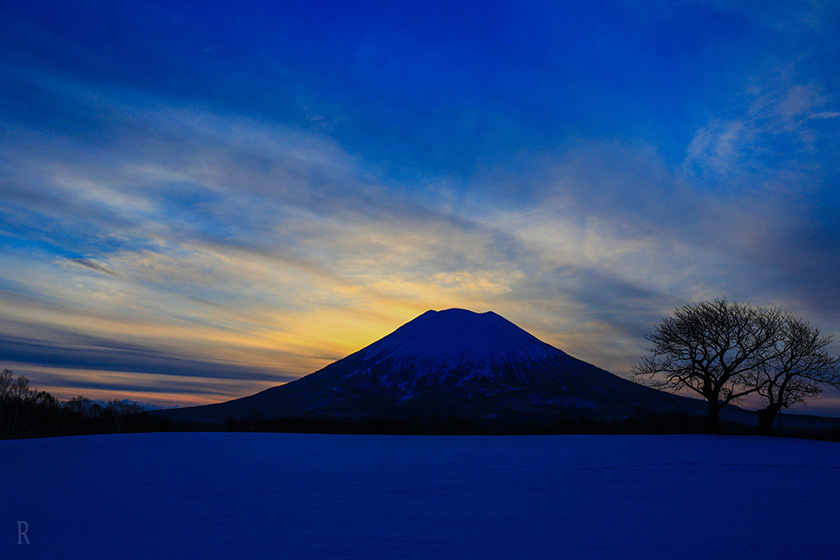
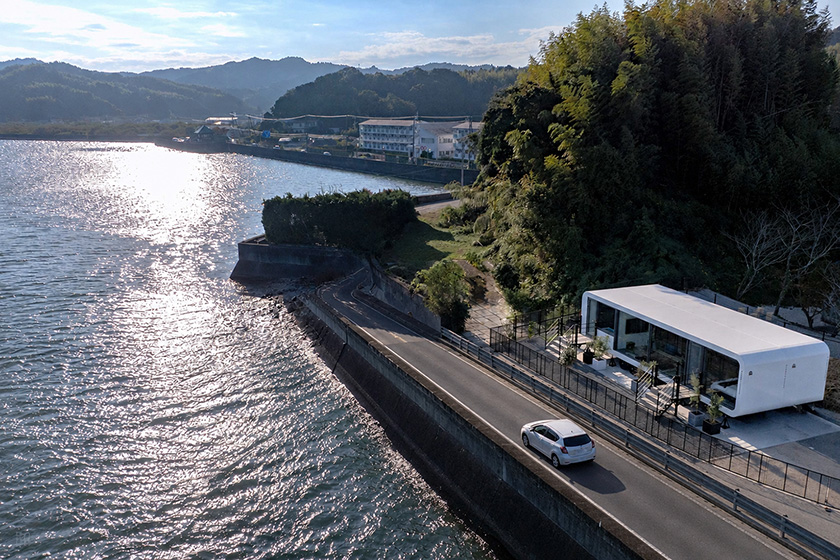
Because Hokkaido is located at a high latitude, winter temperatures often drop below freezing, meaning that even in mild winters, the impact on snowfall is relatively small compared to other regions. In the Rusutsu area, "Hokkaido Rusutsu Glamping Snow Pod" is worth checking out. In winter, you can enjoy skiing and other winter sports along with a luxurious glamping stay.
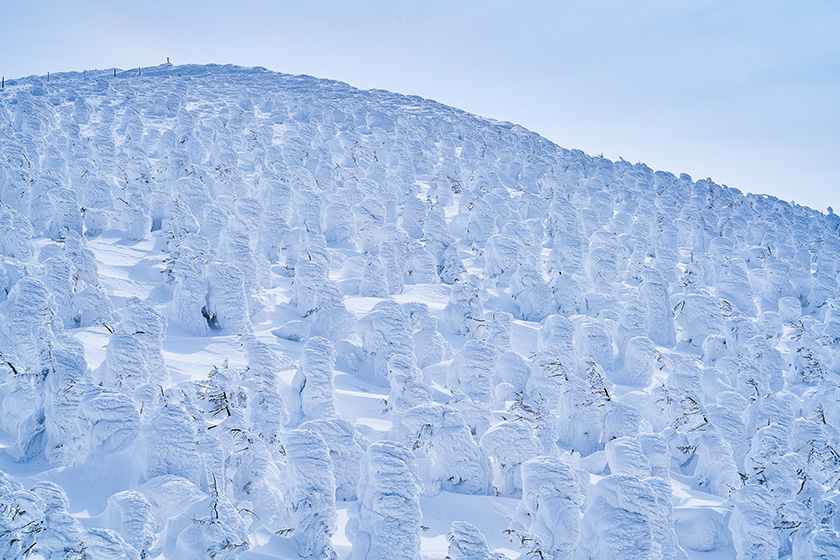
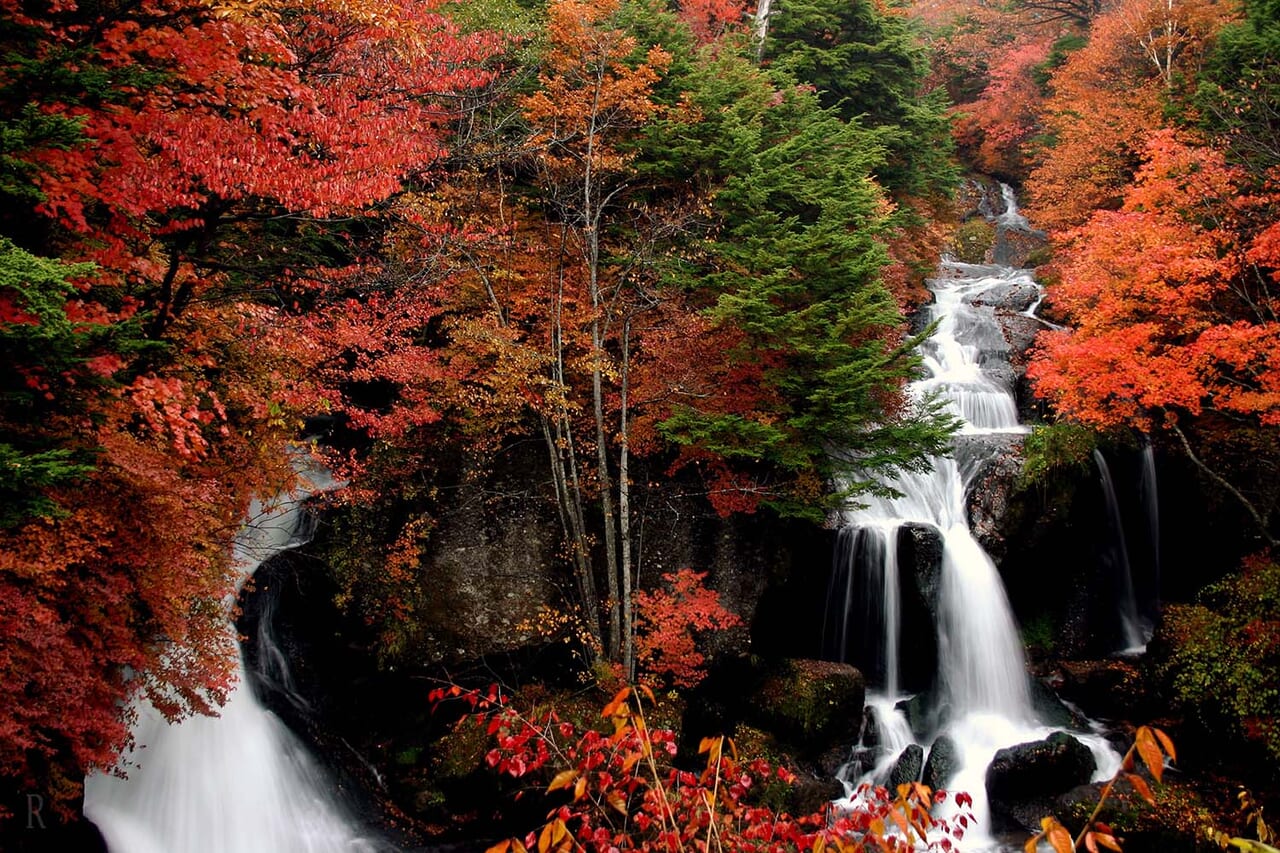
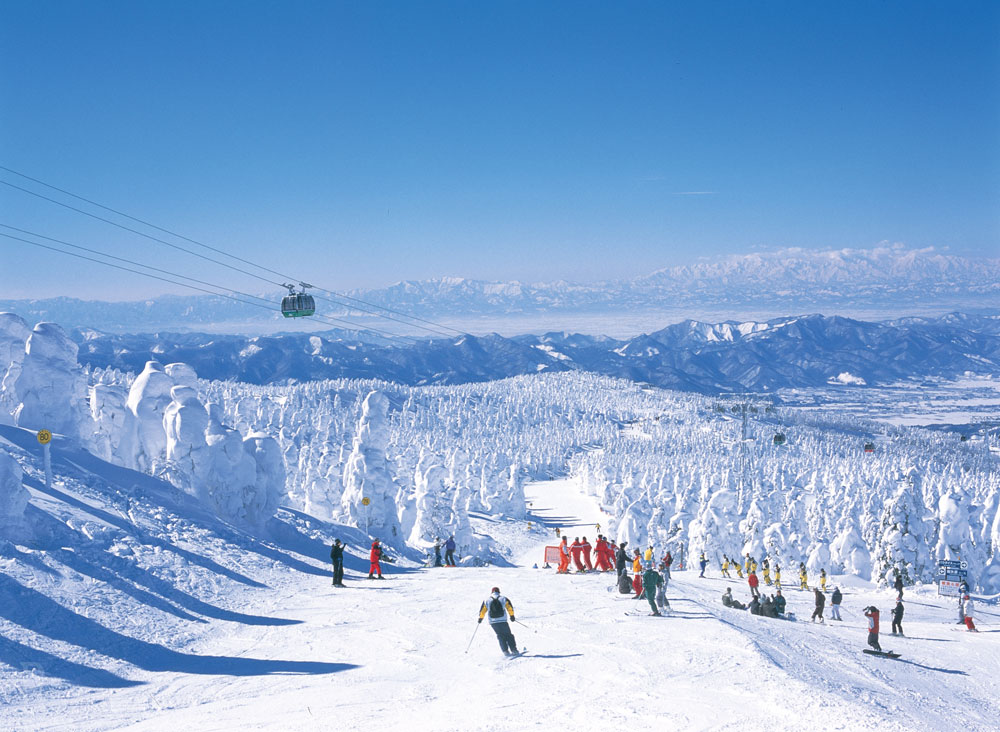
Snowscapes such as the Zao frost-covered trees in Yamagata Prefecture and the Hakkoda Mountains in Aomori Prefecture are formed by stable low temperatures and sufficient humidity. In years with mild winters, the timing of frost formation may be slightly delayed, and the viewing period may be shorter. On the other hand, in high-altitude hot spring and mountain areas such as Zao, it is generally easier to enjoy snowscapes.
Zao Snow Monsters:https://www.kankou.yamagata.yamagata.jp/zao/jyuhyo/
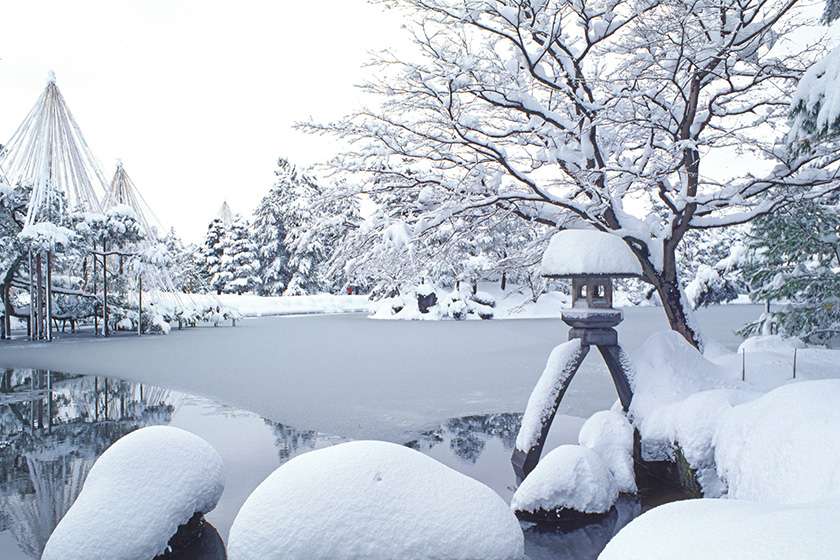
Ishikawa, Toyama, Nagano, and Niigata prefectures are representative heavy snowfall regions on the Sea of Japan side. In winters with past El Niño events, snowfall tends to be lighter in these areas. Large ski resorts at high altitudes, such as Shiga Kogen and Hakuba in Nagano Prefecture, tend to have relatively stable snow conditions, while snow depths can fluctuate easily at the foot of the mountains. Therefore, it is important to check the latest snow and road information before traveling.
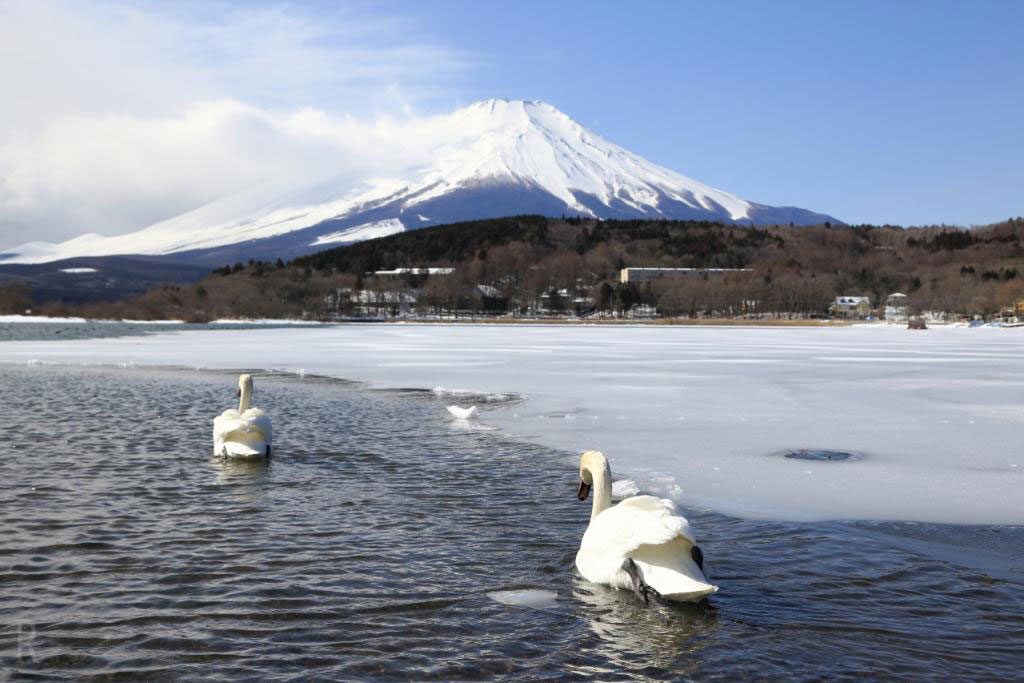
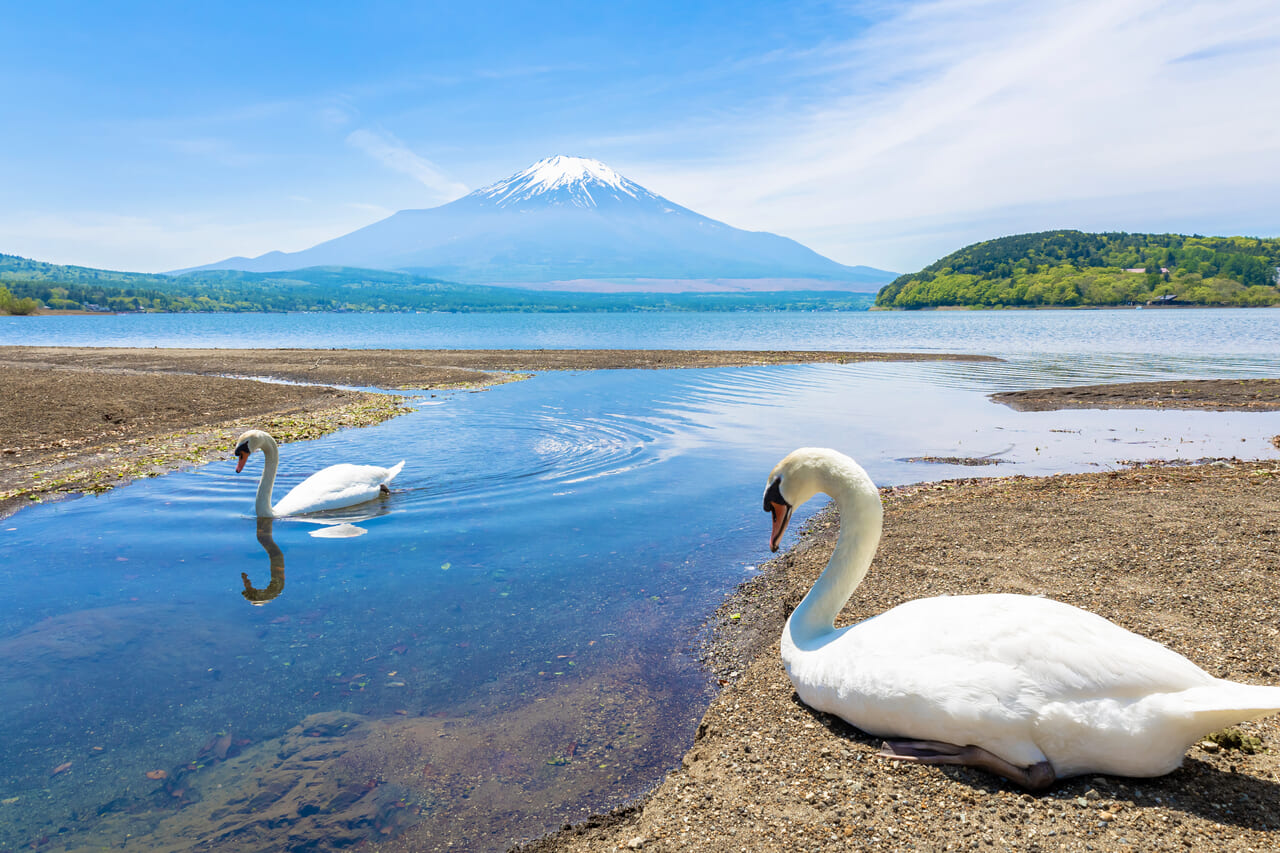
In the Kanto Plain, including Tokyo and Yokohama, snowfall is not very frequent even in winter, and in mild winters, the likelihood of snow accumulation in urban areas tends to be even lower. On the other hand, around Mount Fuji and the surrounding areas of Lake Kawaguchi and Lake Yamanaka, the season to enjoy snow-covered Mount Fuji begins around November. A trip enjoying an open-air bath while gazing at Mount Fuji and admiring its snow-covered summit is highly recommended.
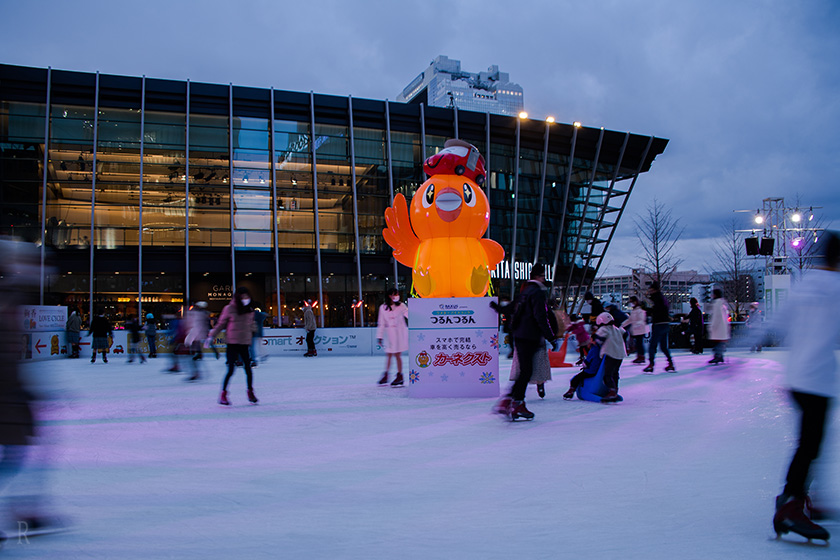
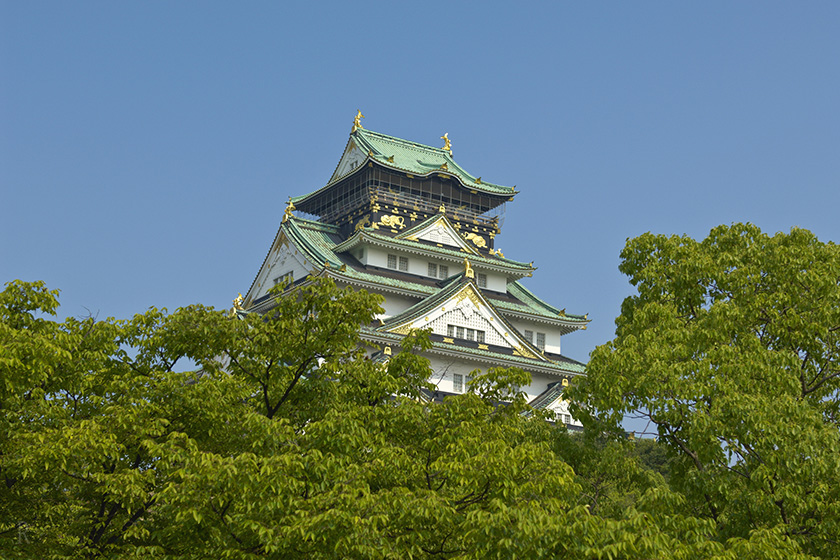
In the lowlands of Nagoya, Osaka, and Kyoto, it doesn't snow very often even in winter, but in some years, short periods of snowfall or the first snow of the season may be observed. On the other hand, in the mountainous areas of northern Kinki and Gifu Prefecture, significant snow accumulation can occur in winter.
Official site:https://dogo.jp/
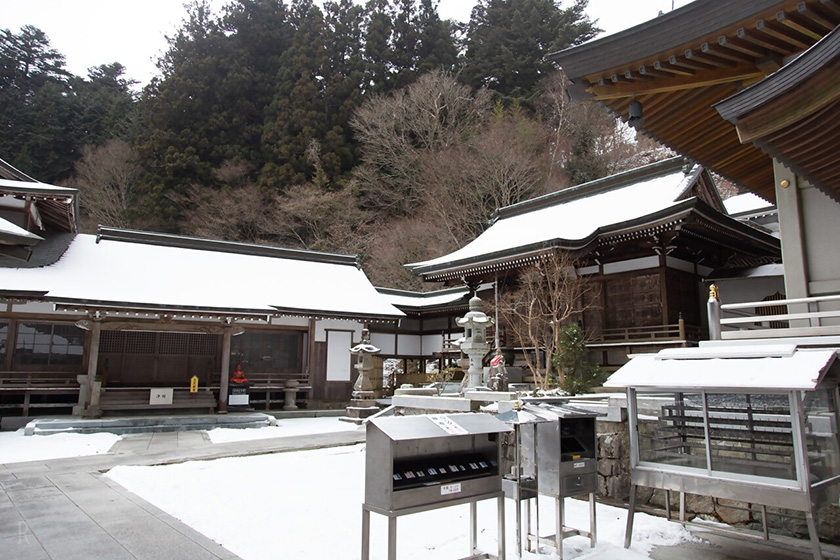
In many parts of the Chugoku, Shikoku, and Kyushu regions, the climate is relatively mild even in winter, making snowfall in urban areas quite rare. Even in mild winters, the impact on travel is relatively small, so it's recommended to plan your trip around hot springs, gourmet food, and seaside accommodations rather than focusing on snowscapes.

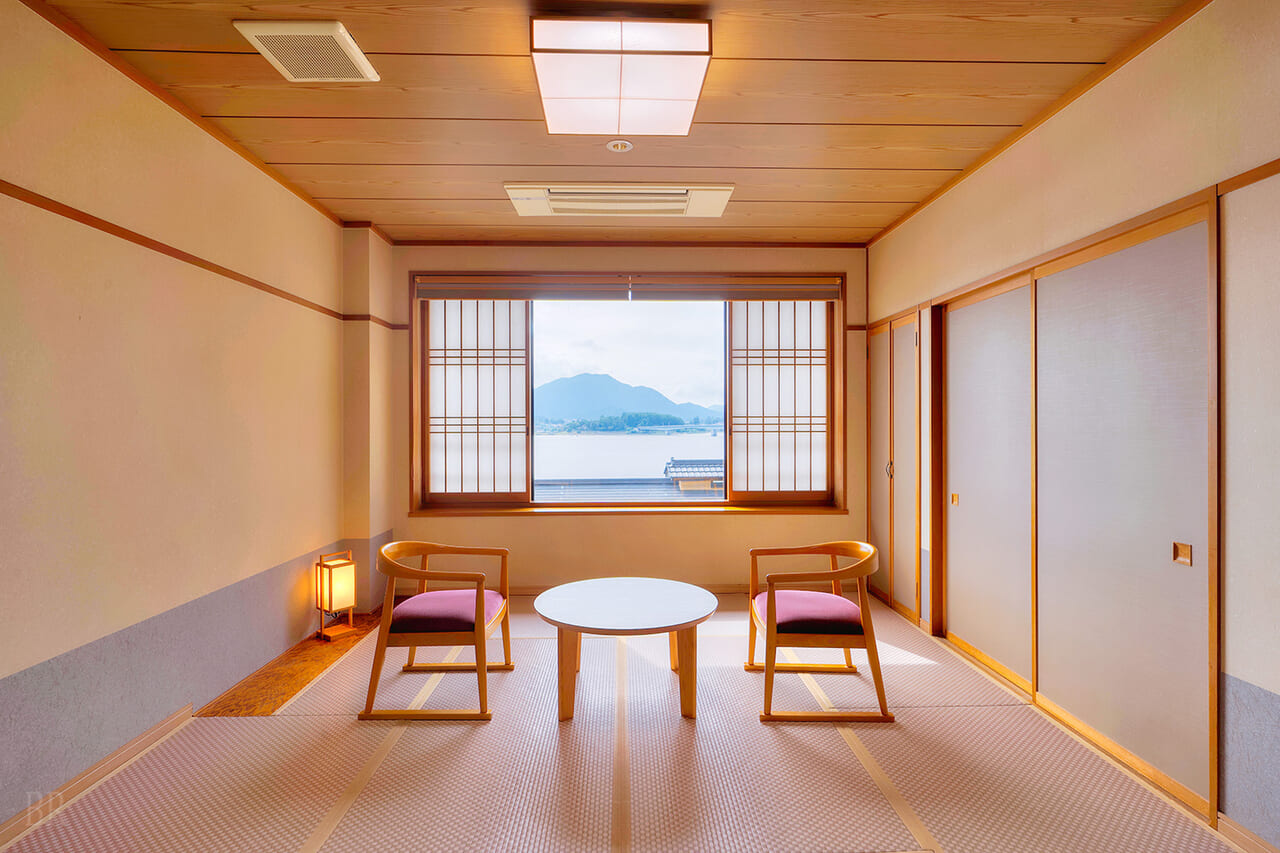
Located in the Lake Kawaguchi area, this luxurious glamping resort offers stunning views of Mount Fuji from every room type. Lake Kawaguchi itself offers activities such as canoeing, and popular tourist spots like Fuji-Q Highland and Oishi Park are nearby. In winter, guests can enjoy a unique resort stay with private saunas in their rooms and bathing facilities using high-concentration vanadium-rich natural water.

Located in Achi Village in southern Nagano Prefecture, this glamping facility offers a luxurious stay amidst nature. It boasts all-weather, private toilets and showers, as well as a dedicated BBQ area, outdoor play equipment, a drum-can sauna, and other amenities to fully enjoy the outdoors. For dinner, guests can savor dishes made with local Shinshu ingredients, such as domestically produced sirloin steak from southern Shinshu, Shinshu premium beef sirloin steak, and grilled Alps salmon.
According to meteorological agency data, there is a 100% probability that this El Niño phenomenon will continue into winter. Past experience shows that El Niño years tend to bring milder winters across Japan, with weaker cold waves. However, actual weather patterns are also influenced by factors such as the Arctic Oscillation, so the situation will only become clearer in November and December.
El Niño is a phenomenon in which sea surface temperatures remain higher than average in the central and eastern equatorial Pacific Ocean. This phenomenon alters global atmospheric circulation, resulting in weaker winter air masses and generally higher-than-average temperatures in Japan.
The possibility is considered low. Hokkaido is at a high latitude, and winter temperatures are naturally low, so even in mild winters, snow conditions are relatively stable at major ski resorts. Compared to regions like Hokuriku and Tohoku, Hokkaido is a relatively stable region for winter ski trips.
Because Mount Fuji is over 3,000 meters high, snow typically begins to accumulate around November, and you can enjoy its snow-covered summit until spring. In years with mild winters, there may be less snow in the lowlands at the foot of the mountain, but you are likely to be able to enjoy a snowy landscape at the high-altitude summit of Mount Fuji.
While it's possible to see them, the peak viewing period may be shorter or later than usual. It's recommended to plan your trip to high-altitude areas such as Zao and Hakkoda Mountains, focusing on the period from mid-January to February.
In the Kanto region, the probability of snowfall in winter is generally low, so in mild winters, the likelihood of snow accumulation in urban areas is also low. However, the possibility of snowfall cannot be completely ruled out if a short-term, strong cold air mass moves in.
The Japan Meteorological Agency typically issues its winter season forecast around late September. This forecast may be updated in subsequent forecasts, such as the three-month forecast released in October.
The winter of 2026-2027 is expected to be milder across Japan due to a strong El Niño phenomenon, with weaker cold fronts. While snowfall may be below average in areas typically experiencing heavy snowfall, such as Hokuriku, Tohoku, and Koshinetsu, the impact of the mild winter is expected to be relatively small in high-altitude areas like Hokkaido and Mount Fuji. When planning a trip to see snowscapes, not only the region but also the altitude and timing of the trip are important. Check the latest weather information and snow conditions to create a winter travel plan that suits each region, whether it's Hokkaido's ski resorts, Tohoku's frost-covered trees, the snowscapes of Hokuriku and Nagano, or Mount Fuji covered in snow.

He is an editor at Resort Glamping.com, a glamping-focused media outlet visited by approximately 100 million people a month. He has written over 150 articles introducing glamping facilities and experience reports, and is involved in a wide range of glamping facility services, from planning and development to operation and customer acquisition consulting.