
Resort Glamping.com
Nationwide (Hokkaido, Tohoku, Kanto, Koshinetsu, Kansai, Tokai, Chugoku, Shikoku, Kyushu, Okinawa)
Resort Glamping.com
Nationwide (Hokkaido, Tohoku, Kanto, Koshinetsu, Kansai, Tokai, Chugoku, Shikoku, Kyushu, Okinawa)
August 28, 2026
While it's possible to see snow in Tokyo from December to February, it's not common for snow to accumulate in the city center. In Tokyo's 23 wards, significant snowfall occurs only once or twice a year, mainly concentrated in January and early February. Most of the time it's just sleet, and it's rare for snow to accumulate more than 5cm. If you want to be sure to see a snowy landscape, we recommend traveling to nearby areas like Mount Takao or Okutama, or to the Kawaguchiko area in Yamanashi Prefecture, which is about a 90-120 minute drive away. The chances of seeing a snow-covered Mount Fuji also increase significantly. This article will cover everything from Tokyo's snowfall trends to snowy spots in and around the city, photogenic locations, ski resorts, and recommended luxury accommodations for winter.
table of contents
According to statistics from the Japan Meteorological Agency, the average date for the first snowfall in Tokyo is early January, with the main snowfall period concentrated from January to early February. However, it only snows a few times a year in Tokyo's 23 wards, and most of those days it's sleet. Even when it does snow, it rarely accumulates to more than 5 cm.
Japan Meteorological Agency:
https://www.jma.go.jp/jma/index.html
| Winter season | First snow day in Tokyo |
|---|---|
| 2024 to 2025 years | November 19st |
| 2023 to 2024 years | November 13st |
| 2022 to 2023 years | November 24st |
| 2021 to 2022 years | November 26st |
| 2020 to 2021 years | November 12st |
| Average values over the past 30 years | November 3st |
Source: Japan Meteorological Agency, "Normal Values (First and Last Days of Frost, Snow, and Freezing)" Statistics
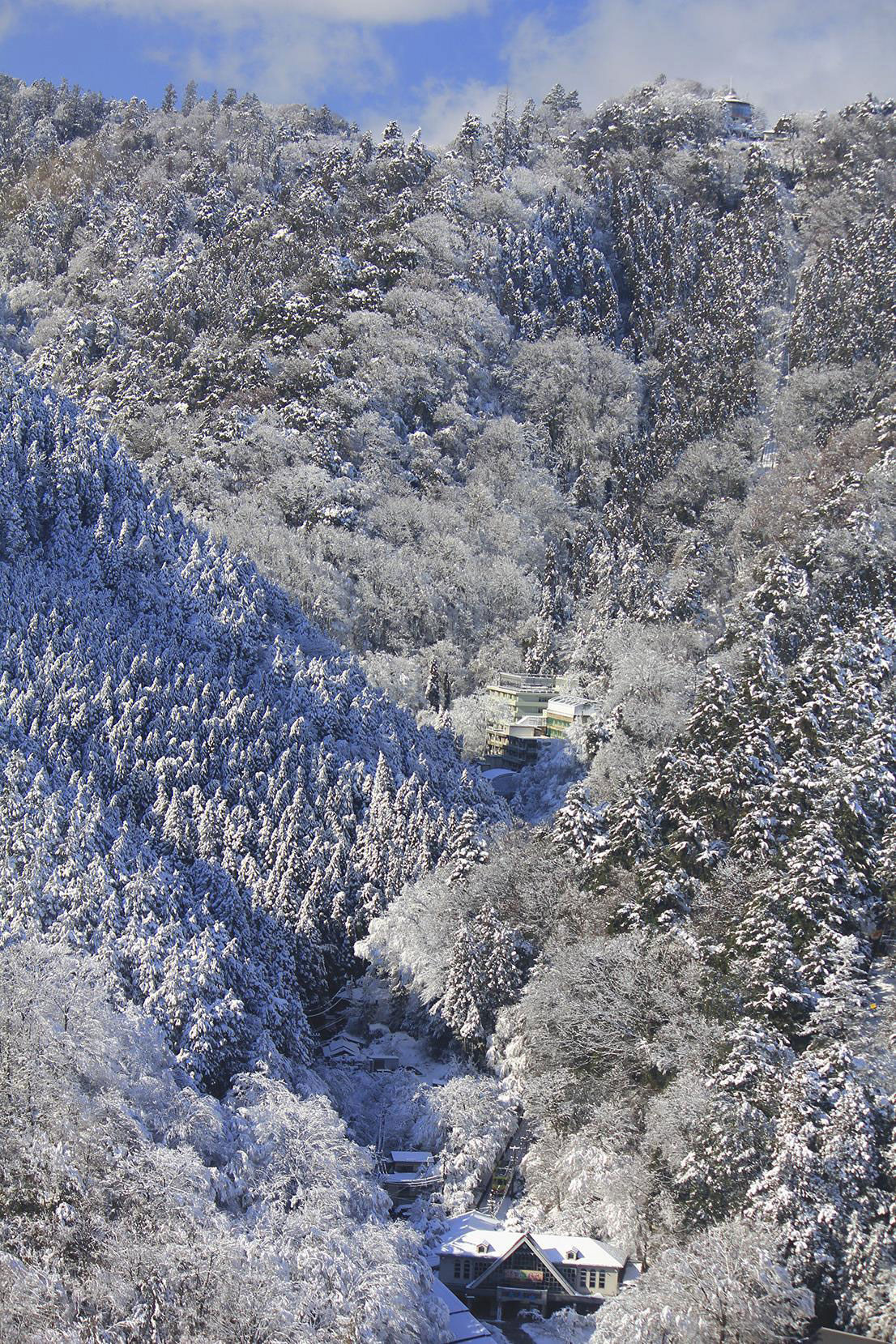
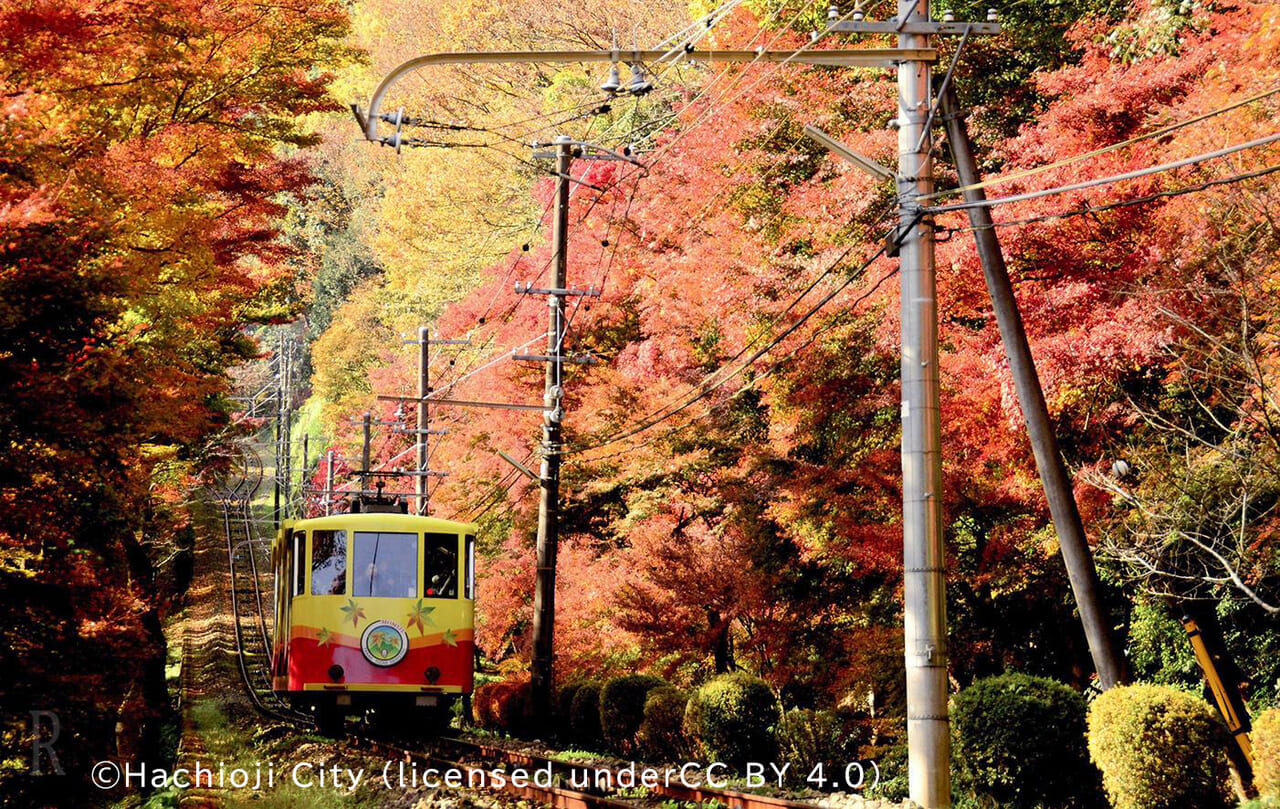
Mount Takao is located in Hachioji City in western Tokyo, and can be reached from Shinjuku in about 50 minutes by taking the Keio Line express train to Takaosanguchi Station. While it is usually famous for its autumn foliage and hiking, Mount Takao shows a completely different face after a snowfall. The sight of white snow accumulating on the vermilion Niomon Gate of Yakuoin Temple is beautiful, and from the observation deck at the summit, you can enjoy a panoramic view of the Kanto Plain.
The Okutama and Chichibu areas of Saitama Prefecture are at a higher elevation and have lower temperatures than central Tokyo, making them regions with a high probability of snowfall and snow accumulation. The snowy scenery along Lake Okutama and the old farmhouses in the mountainous areas of Chichibu covered in snow are popular with people who enjoy taking photographs.
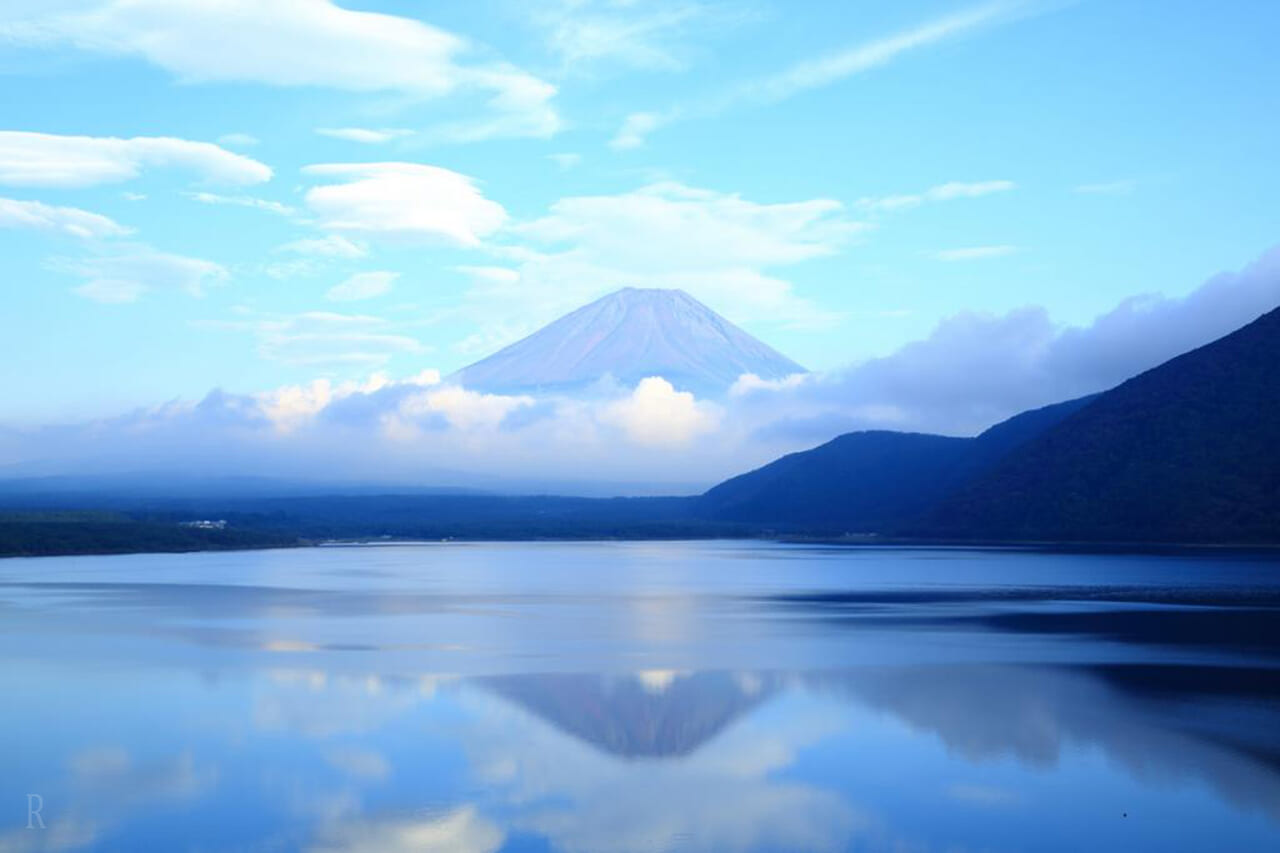
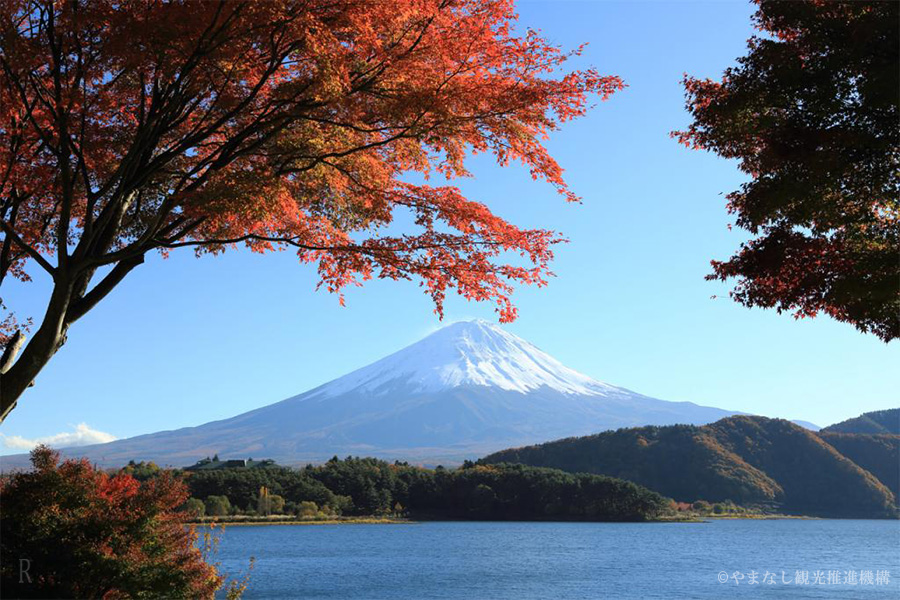
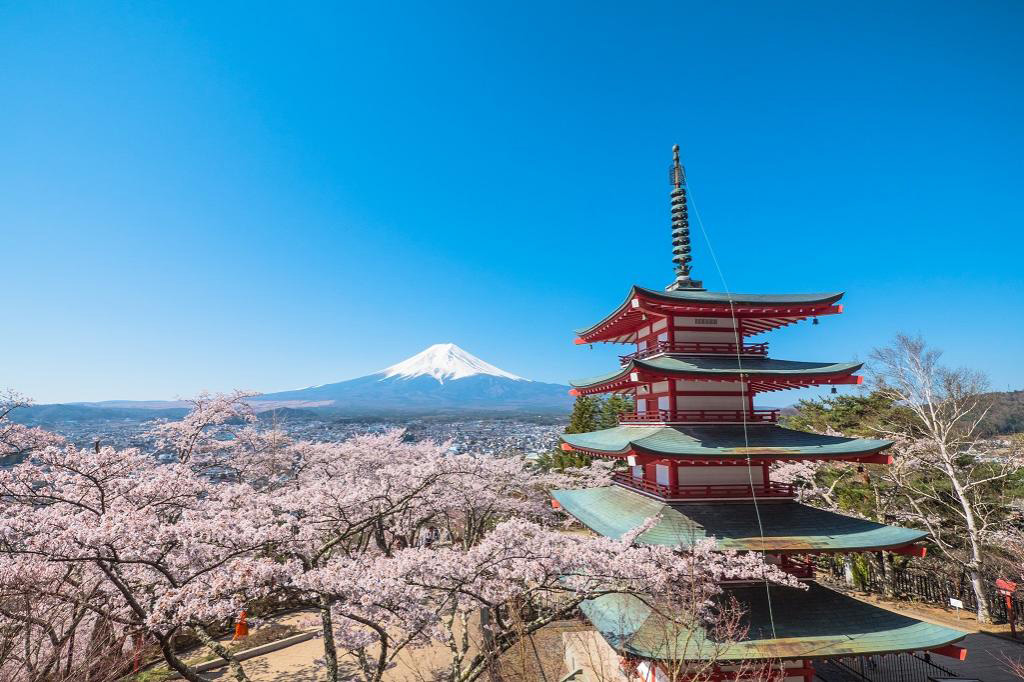
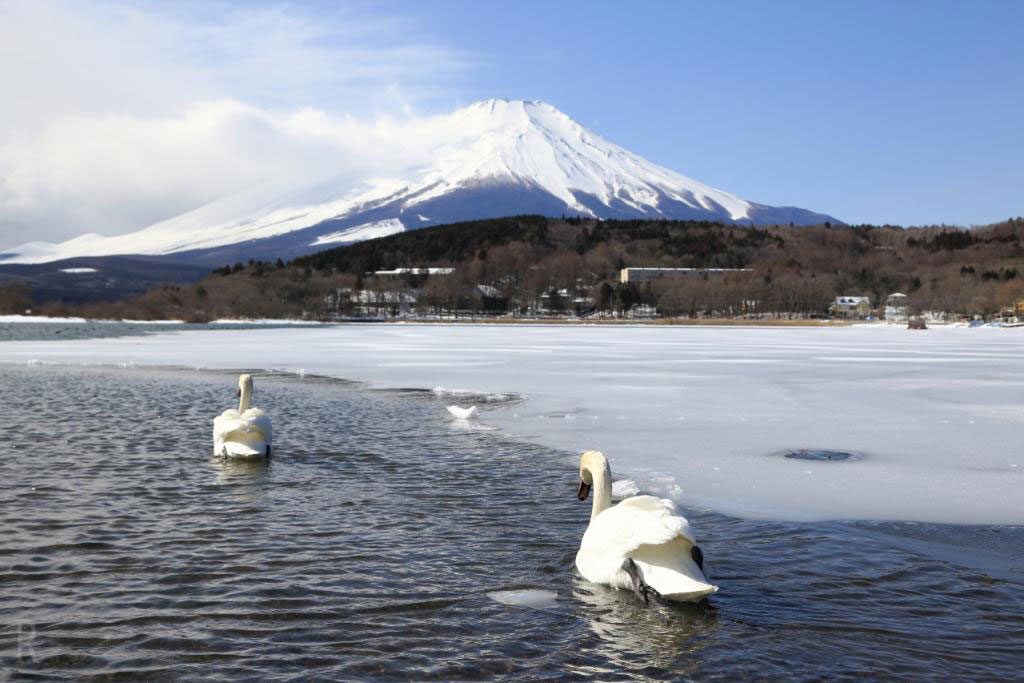
If you want to see a truly magnificent winter wonderland, the area around Mt. Fuji in Yamanashi Prefecture is highly recommended. Because Yamanashi Prefecture is mountainous and has high elevations, it's more likely to snow than the Kanto Plain in winter. From Shinjuku, you can reach Lake Kawaguchi in about 90-120 minutes using the limited express "Fuji Kaiyu" train. It's easily accessible, and you can enjoy the snowy scenery around Lake Kawaguchi and the snow-covered Mt. Fuji simultaneously. Additionally, winter-only events are sometimes held around Lake Saiko.
| Sights | Travel time from central Tokyo | transportation | Expected snowfall/snowfall | Characteristics |
|---|---|---|---|---|
| Mount Takao | Approx.50 minutes | Take the Keio Line express train to Takaosanguchi Station. | 3/5 | Snowy scenery at Yakuoin Temple, Mount Fuji from the mountaintop |
| Lake Okutama | Approx. 2 hour | JR Ome Line + Bus | 4/5 | Snowscape by the lake, railway photographs |
| Chichibu | Approx. 1.5 to 2 hours | Seibu Line Limited Express | 4/5 | An old house and a snowy landscape |
| Lake Kawaguchi (Yamanashi) | Approx. 90 to 120 minutes | Limited Express "Fuji Kaiyu" | 5/5 | Snow-covered Mount Fuji and the lake |
| Karuizawa (Nagano) | Approx.70 minutes | Hokuriku Shinkansen | 5/5 | Highland skiing, lessons available in Chinese. |
The contrast between the vermilion Niomon gate and the white snow is striking, allowing you to enjoy the natural beauty unique to winter.
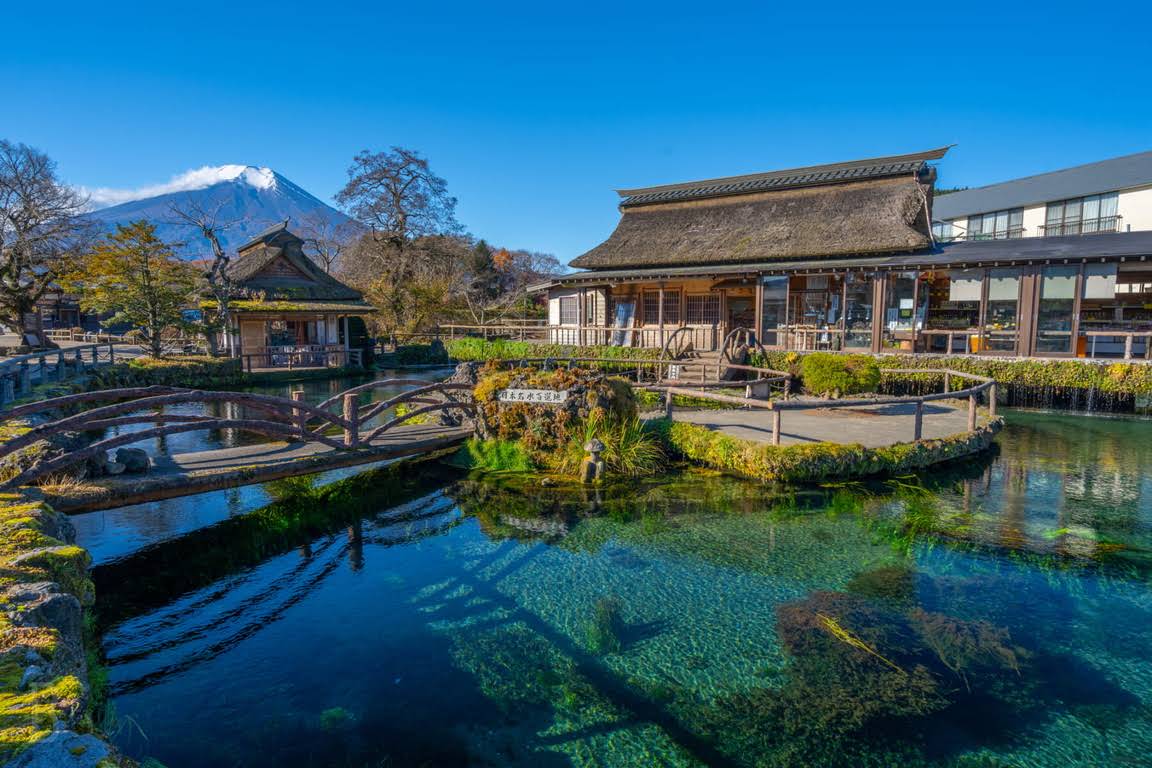
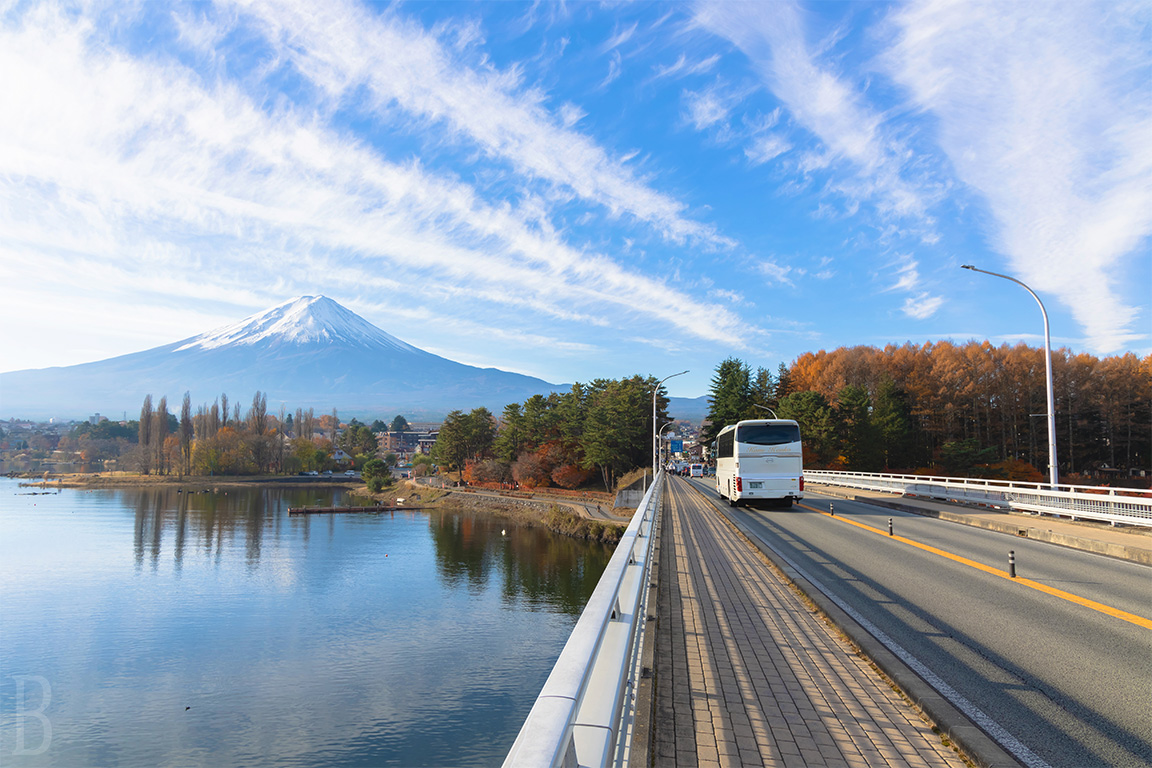
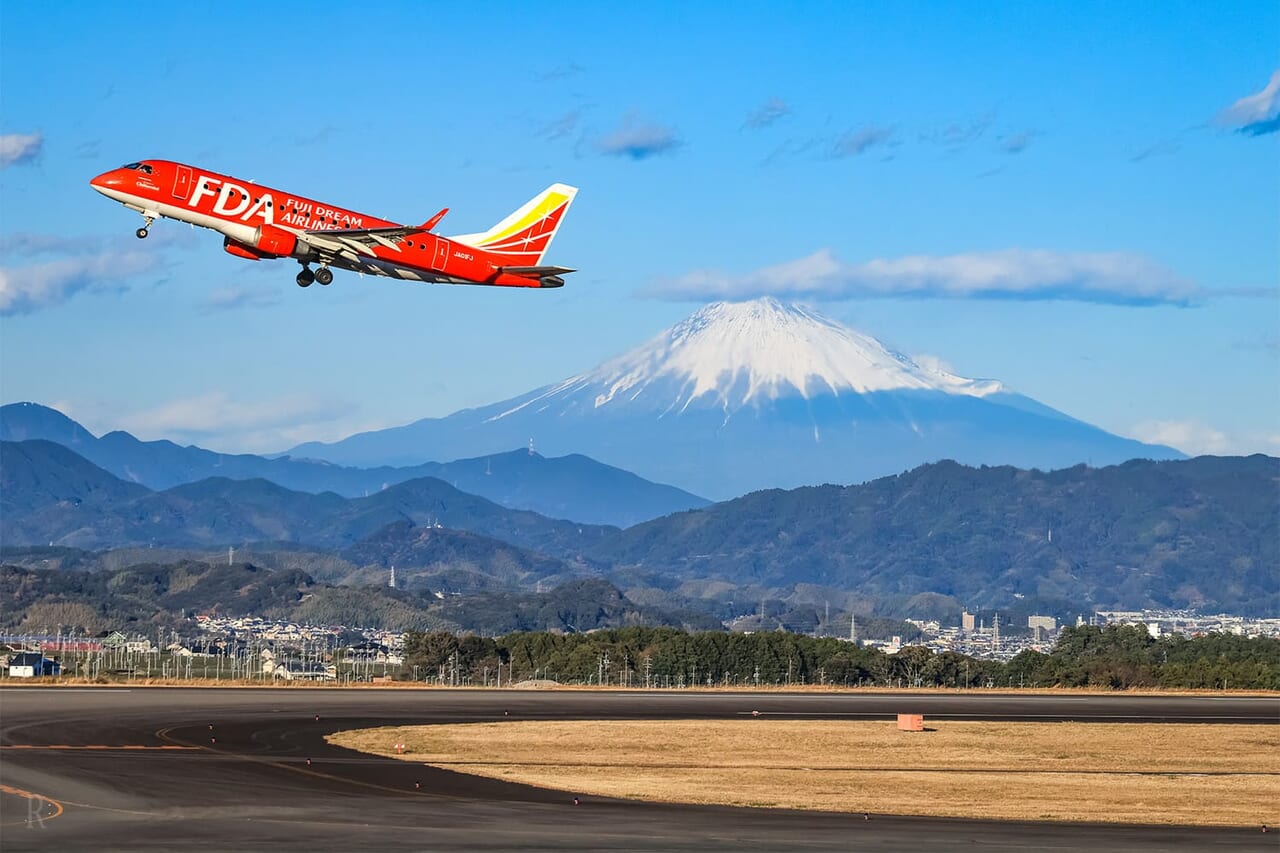
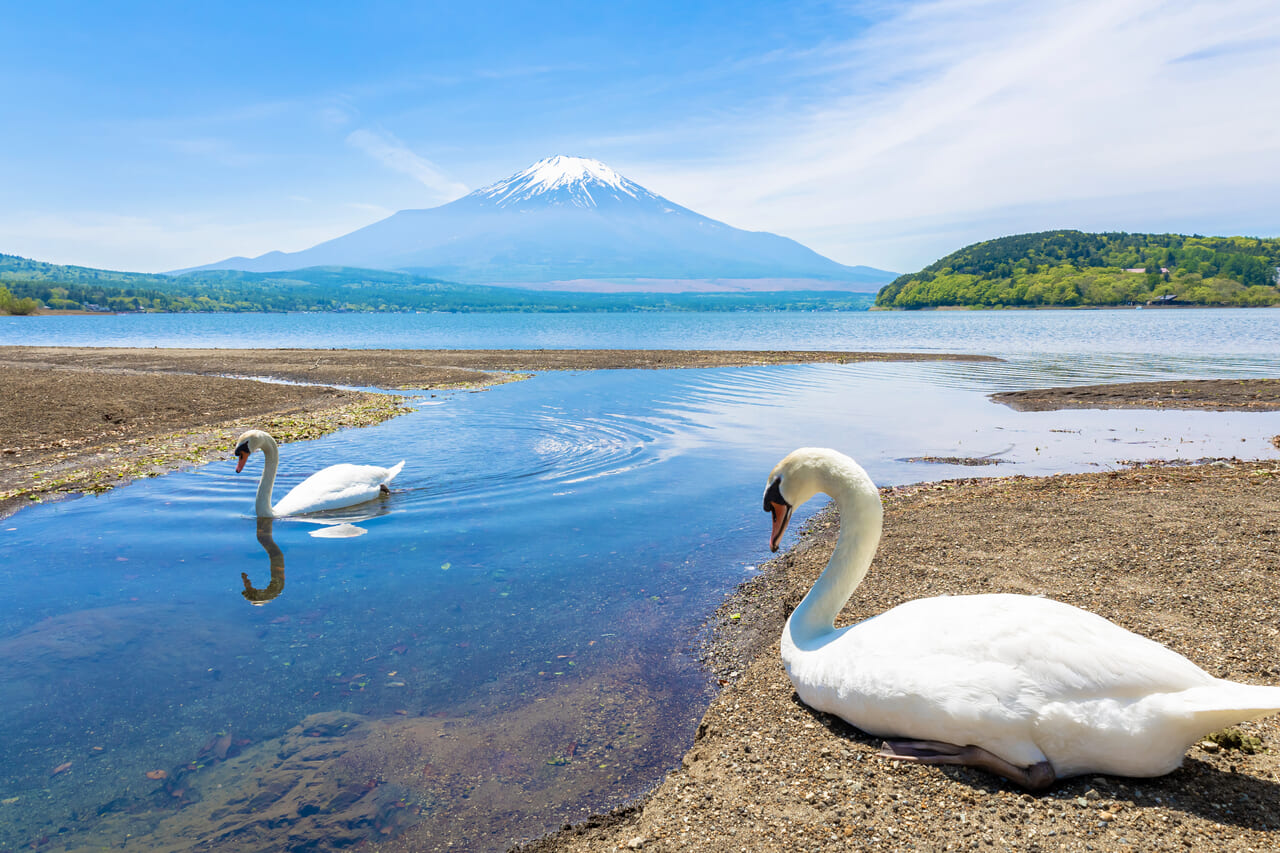
This is a classic spot to view snow-capped Mount Fuji from the lakeside. If the weather conditions are good, you can capture both the lake surface and Mount Fuji in the same shot.
The combination of snow-covered mountains, lakes, and suspension bridges creates a tranquil and fantastical winter landscape.
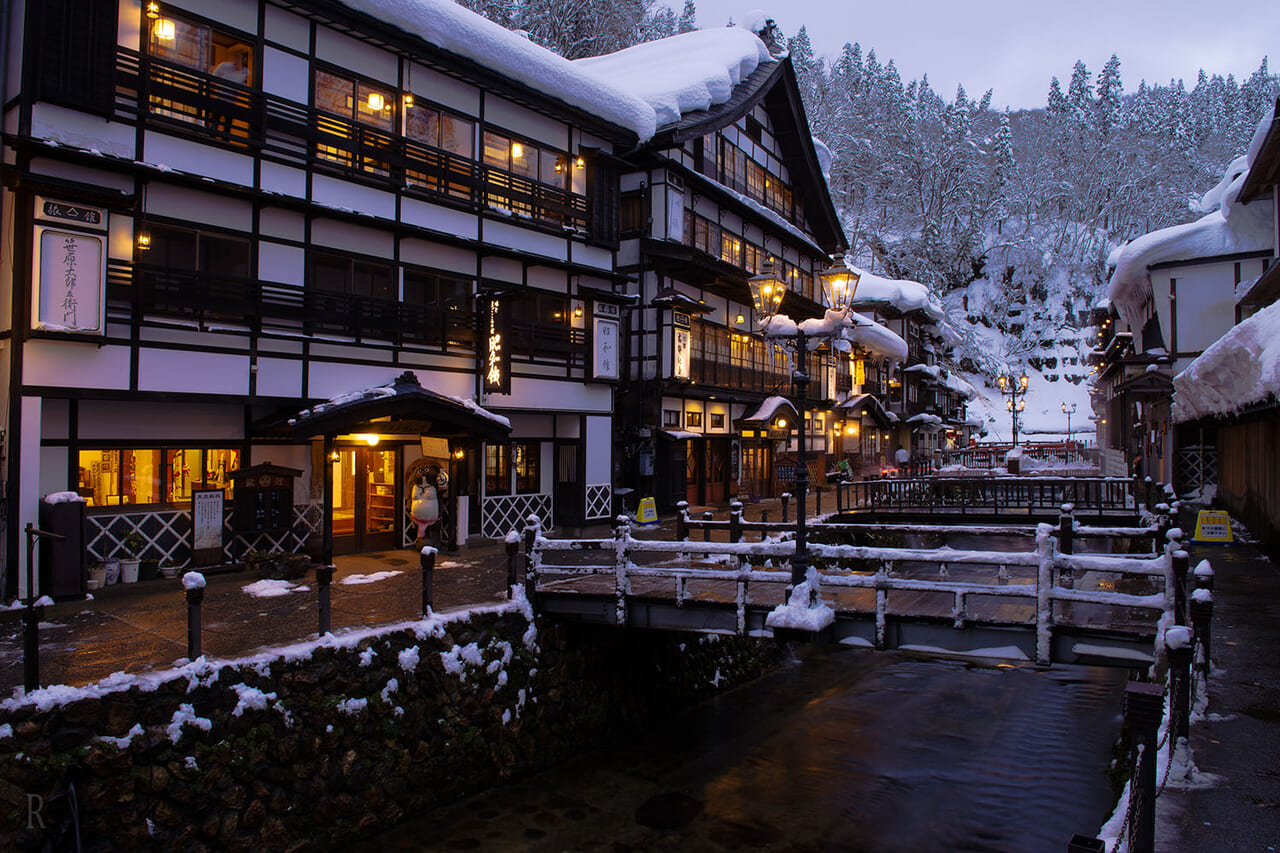
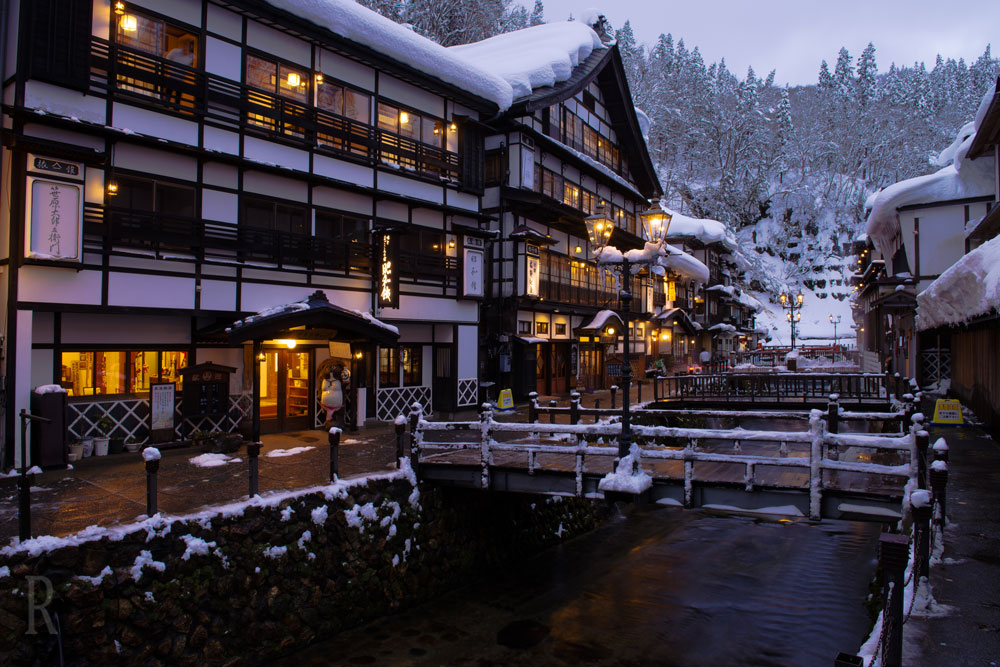
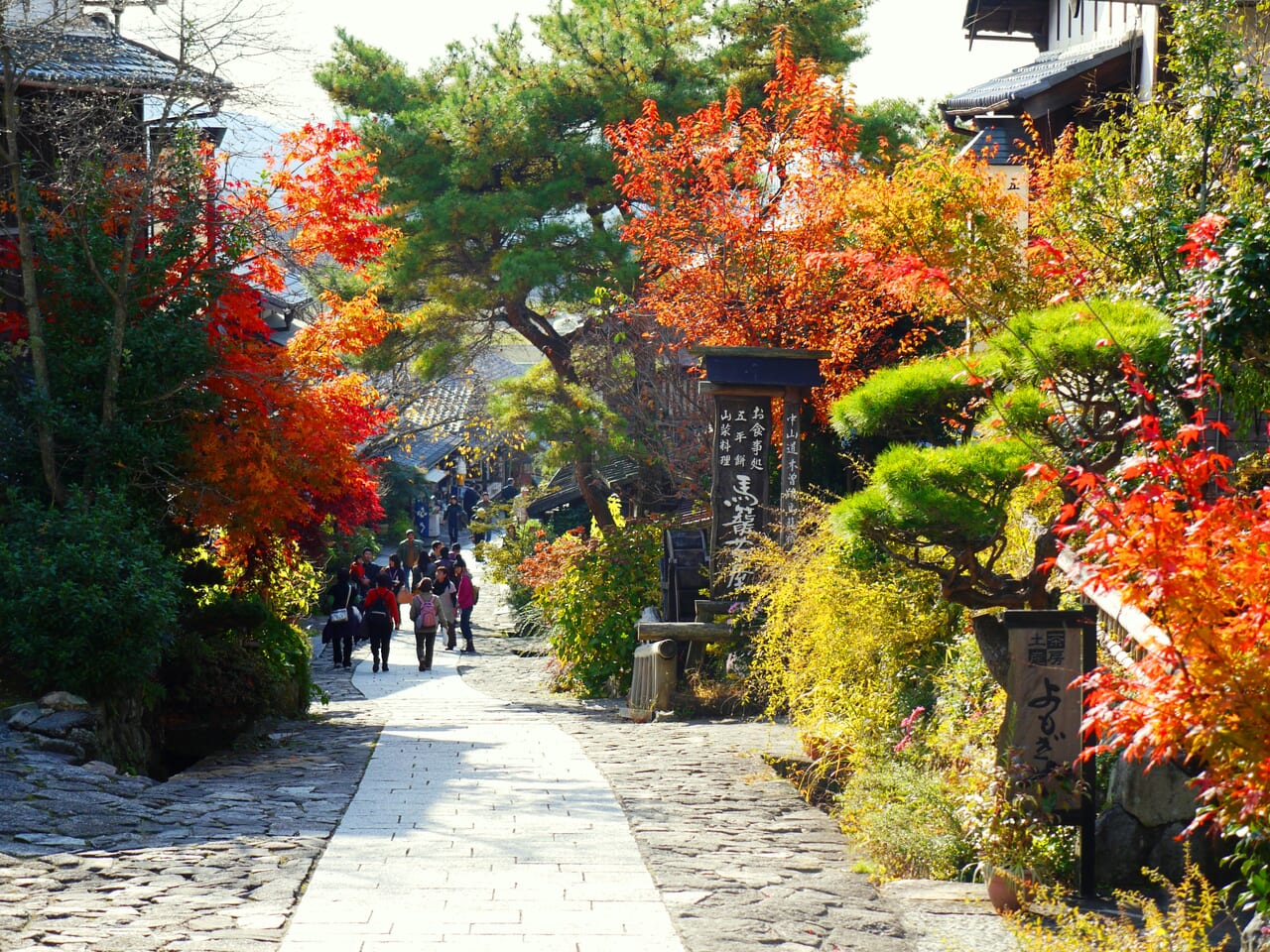
When old houses and historic buildings are covered in snow, they take on an even more nostalgic and tranquil atmosphere.
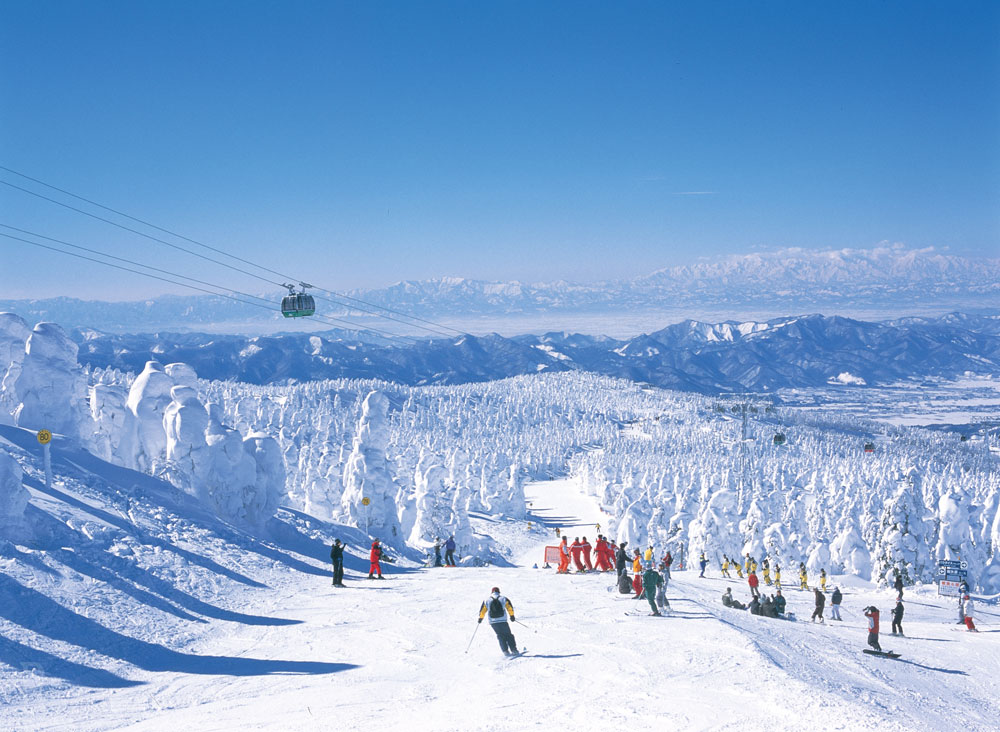
The contrast between the vast white ski slopes and the blue sky is beautiful, making it a popular spot for winter photography.
GALA Yuzawa Ski Resort is accessible from Tokyo Station in as little as 75 minutes by the Joetsu Shinkansen. It has a large ski and snowboard equipment rental facility, and depending on the season, a counter with foreign language support is available. After skiing, you can relax and warm up in the on-site hot spring, "SPA GALA no Yu".
Official site:https://gala.co.jp/winter/
Located right in front of the Naeba Prince Hotel, this ski resort is ideal for combining accommodation with skiing. It's also famous for its 5,481m-long "Dragondola" gondola, where you can enjoy winter mountain scenery even if you don't ski. Courses are available to suit various skill levels, from beginners to advanced skiers.
Official site:https://www.princehotels.co.jp/ski/naeba/
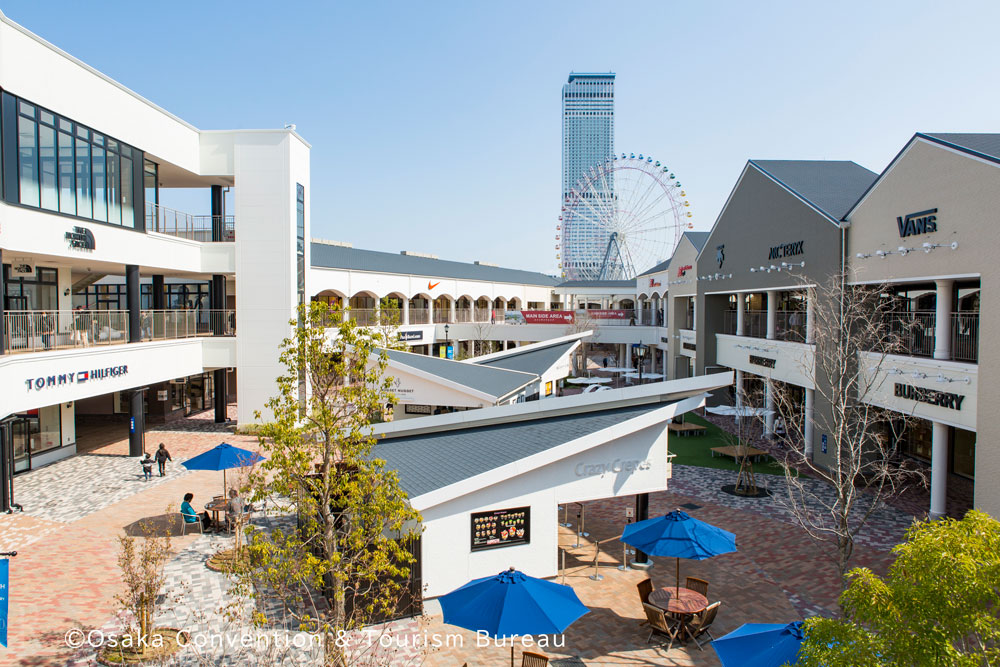
Karuizawa is easily accessible from Tokyo by the Hokuriku Shinkansen in about 70 minutes, making it ideal for day trips to the ski resort. Some ski resorts offer lessons in foreign languages, and with outlet malls and other tourist attractions nearby, it's also recommended for trips that combine skiing and shopping.
Official site:https://www.princehotels.co.jp/ski/karuizawa/
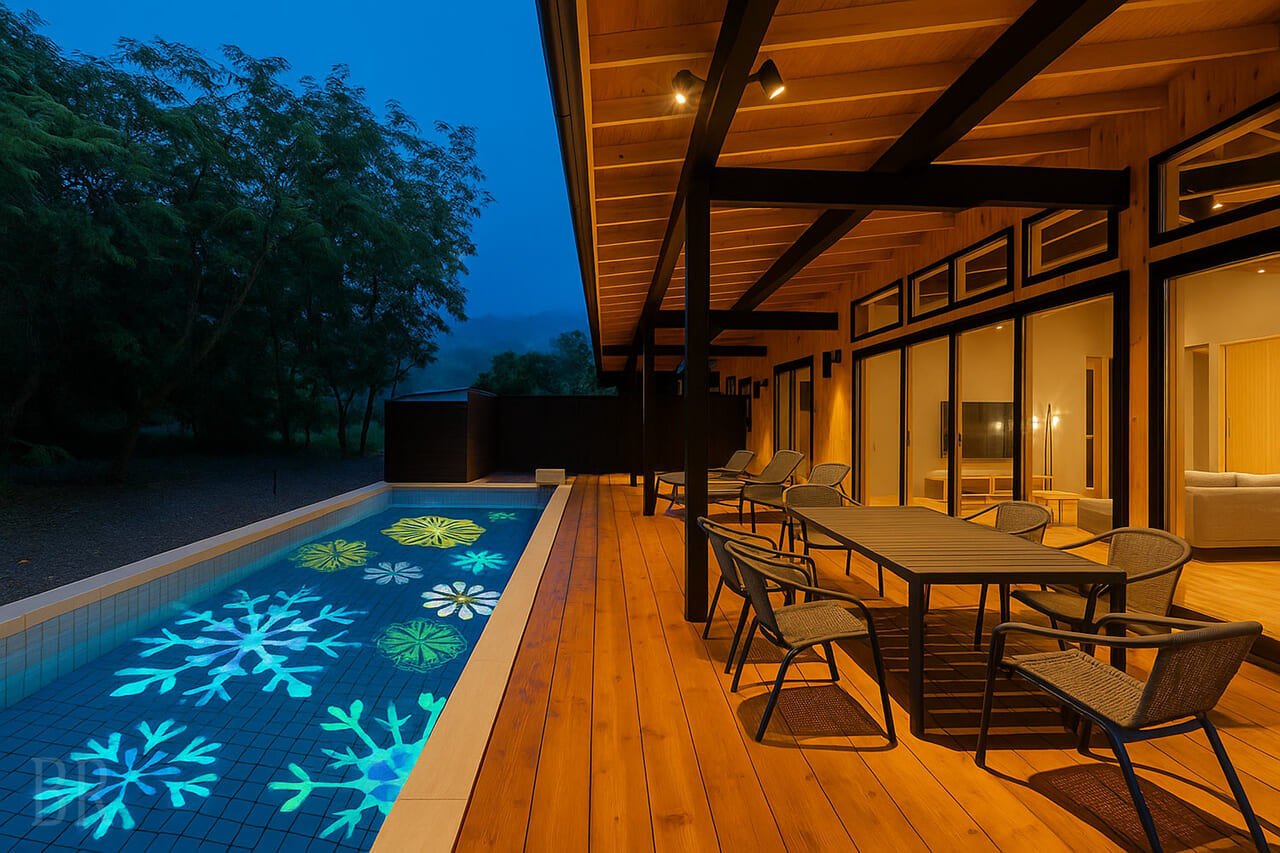
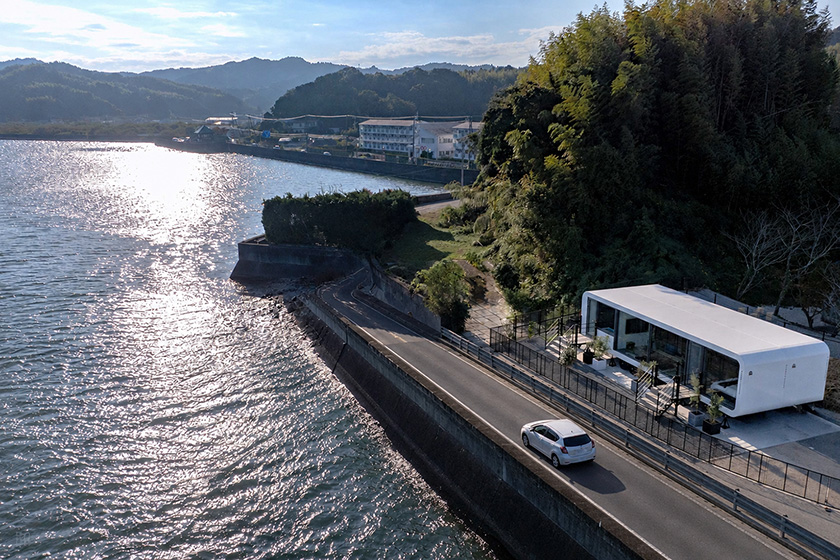
This luxurious resort-style accommodation is surrounded by the natural beauty of Chichibu. Each unit features a semi-open-air bath, allowing guests to enjoy a special bathing experience while feeling close to nature in a spacious and open environment. Drinks such as sake, wine, whiskey, and beer are also provided free of charge. For meals, guests can choose between two types of hearty BBQ or shabu-shabu to enjoy leisurely in their room. This is highly recommended for those who want to enjoy hot springs and cuisine while experiencing the winter nature of Chichibu.
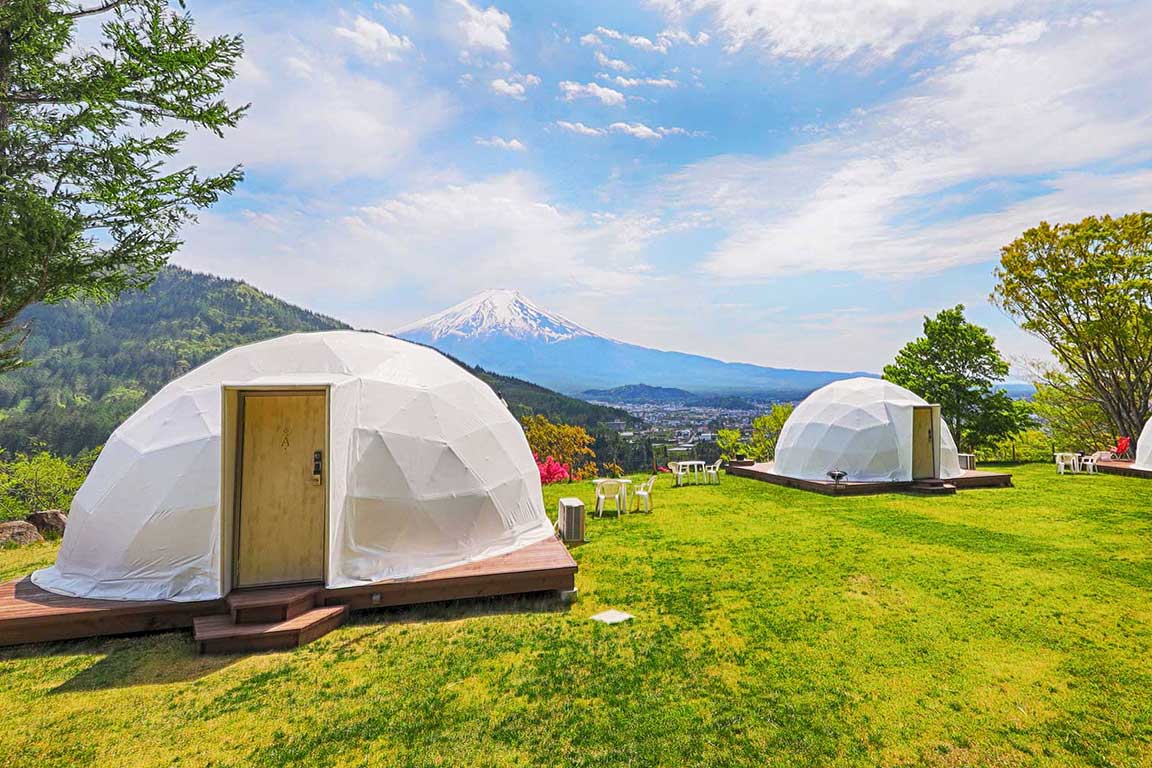
This resort accommodation is located about an hour and a half's drive from central Tokyo. Guests can feel close to nature while listening to the birdsong and the sounds of insects. It features a private open-air bath with panoramic views, and at night, guests can enjoy a magical atmosphere enveloped in candlelight. For meals, guests can savor luxurious dishes such as Koshu wine beef, spiny lobster, and shabu-shabu.
Yes. However, the probability of snowfall and the amount of snow accumulation are not very high. Significant snowfall in Tokyo's 23 wards is limited to certain days of the year, so if you want to be sure to see a snowy landscape, it is recommended to travel to Yamanashi Prefecture or elsewhere.
According to the Japan Meteorological Agency's average values, the first snowfall in Tokyo is around early January. The main snowfall season is from January to early February, and the higher the elevation, such as Mount Takao and Okutama, the higher the likelihood of snow.
If heavy snow falls in central Tokyo, JR and private railway lines may experience delays, cancellations, or reduced service. If a heavy snow forecast is issued, it is recommended to check the official information of each railway company.
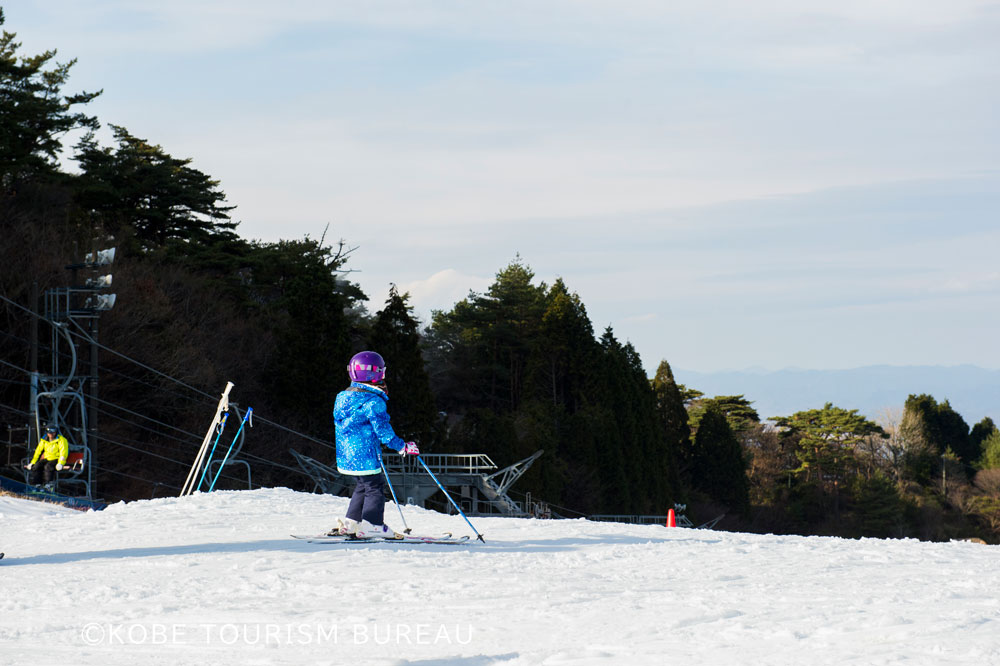
There are ski resorts in Karuizawa and the surrounding Kiyosato Plateau area of Yamanashi Prefecture that offer courses suitable for beginners. Some facilities also offer lessons in Chinese and English.
Kawaguchiko's Oishi Park, Yamanakako Lakeside, and Arakurayama Sengen Park are recommended. Since there are often fewer clouds in the morning, visiting early in the day increases your chances of seeing Mount Fuji.
Even if there's no snow in central Tokyo, there may be snow in higher-altitude areas such as Yamanashi and Nagano prefectures. Enjoying the snowy mountain scenery by taking a ropeway or cable car, or visiting a ski resort to touch the snow, are also recommended.
In central Tokyo, you can't always expect to see a blanket of snow every year. However, if you venture a little further to places like Mount Takao, Okutama, or Lake Kawaguchi, you can combine a Tokyo trip with snowy scenery. This winter, why not combine not only seeing snow, but also luxurious glamping or accommodation with hot springs surrounded by nature? You can enjoy winter experiences such as snowscapes, hot springs, BBQ, and starry skies, making for a more relaxing trip near Tokyo.

He is an editor at Resort Glamping.com, a glamping-focused media outlet visited by approximately 100 million people a month. He has written over 150 articles introducing glamping facilities and experience reports, and is involved in a wide range of glamping facility services, from planning and development to operation and customer acquisition consulting.