
Resort Glamping.com
Nationwide (Hokkaido, Tohoku, Kanto, Koshinetsu, Kansai, Tokai, Chugoku, Shikoku, Kyushu, Okinawa)
Resort Glamping.com
Nationwide (Hokkaido, Tohoku, Kanto, Koshinetsu, Kansai, Tokai, Chugoku, Shikoku, Kyushu, Okinawa)
September 7, 2026
When traveling to the Tokyo area, the main options are the JR Tokyo Wide Pass and renting a car. When planning a trip to the Tokyo area, many people worry about the time-consuming nature of train transfers, while renting a car can be daunting due to unfamiliar road conditions. Therefore, this article compares the coverage and costs of the JR Tokyo Wide Pass and renting a car in Tokyo, summarizing the options so you can choose the transportation method that suits you best before you depart.
table of contents
| Comparison item | JR Tokyo Wide Pass | Tokyo Rent-a-Car |
|---|---|---|
| Price | Approximately 15,000 yen for 3 days (adult) | Depending on the vehicle type, the cost is approximately 6,000 to 15,000 yen per day. |
| Number of days used | 3 consecutive days | The rental period can be freely set according to the rental duration. |
| Scope of use | JR lines and Shinkansen lines in Tokyo, Kawaguchiko, Karuizawa, Izu, Nikko, etc. | It is freely accessible wherever there is a road. |
| Recommended People | People who don't want to drive, have little luggage, and want to follow a standard route. | People who want to freely explore tourist spots, have a lot of luggage, or want to go to facilities outside the city center. |
| Drawbacks | Some private railway and bus lines require an additional fare. | A translation of your driver's license or an international driving permit is required. Be careful of road conditions in mountainous areas during winter. |
The JR Tokyo Wide Pass is a 3-day travel pass sold to foreign tourists.
| Destination | Travel time from central Tokyo | Travel time from the airport |
|---|---|---|
| Lake Kawaguchi | Approx. 1.5 to 2 hours | Approximately 2 hours (Haneda) / Approximately 2.5 hours (Narita) |
| Karuizawa | Approx. 2 to 2.5 hours | Approx. 3 hour |
| Hakone | Approx. 1.5 to 2 hours | Approx. 2 hour |
| Izu Peninsula | Approx. 2 to 2.5 hours | Approx. 3 hour |
| Chichibu | Approx. 1.5 to 2 hours | Approx. 2.5 hour |
Important points to note when returning the car: In Japan, rental cars often require you to fill up the gas tank before returning them. If the pick-up and return locations are different, be sure to check in advance whether one-way rental service is available and if there are any additional charges.

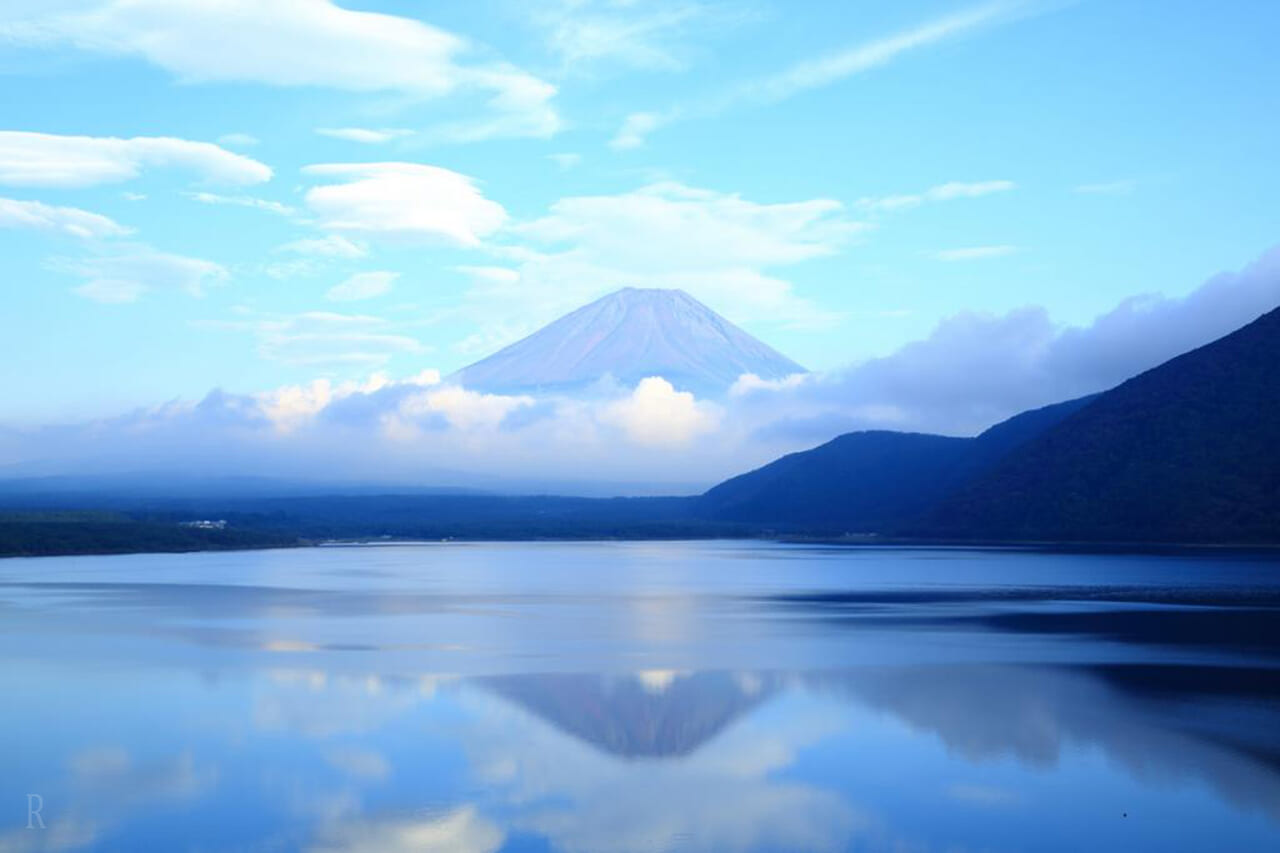
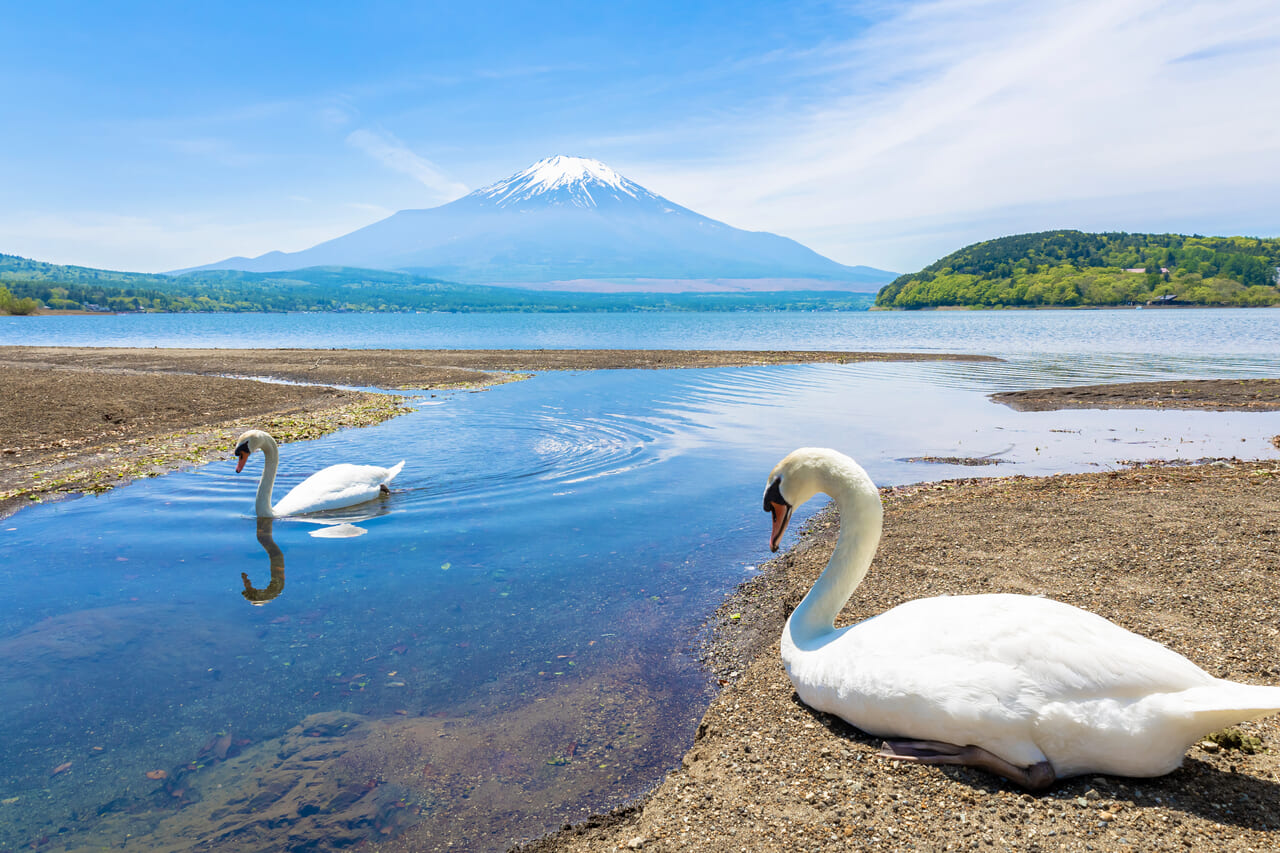
This luxury accommodation boasts a spectacular location with stunning views of Mount Fuji from various points within the facility. Each guest room is equipped with a toilet and shower, and there is also a private open-air bath available outside the room for guests to enjoy. After sunset, guests can enjoy taking photos with the nighttime scenery as a backdrop. For meals, a luxurious menu featuring high-quality ingredients unique to Yamanashi Prefecture, such as Koshu wine beef and Koshu Fuji Sakura pork, is available.

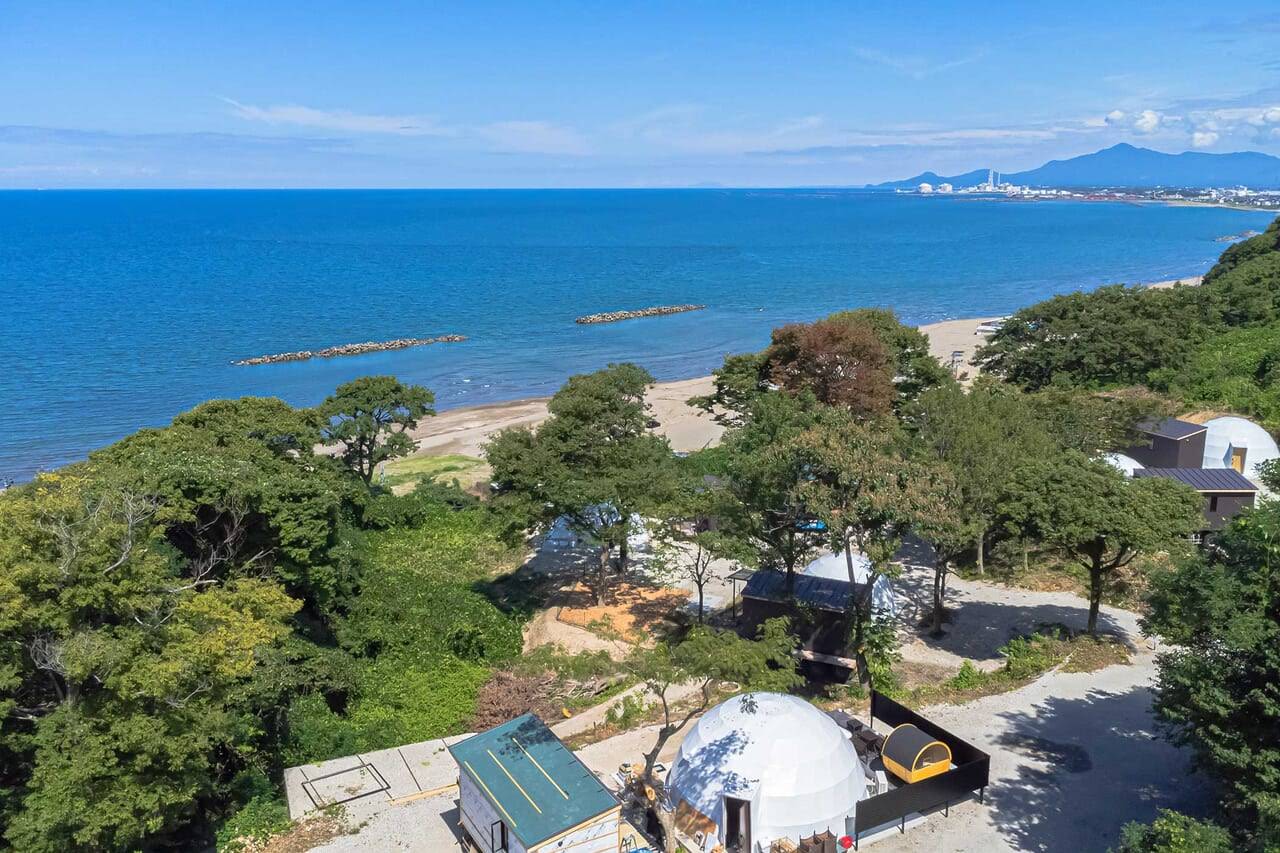
The suite villas feature an indoor bath with natural hot spring water and a private pool, allowing you to relax while enjoying the beautiful ocean view. Each room also has a private toilet. For dinner, you can enjoy dishes such as Kazusa Wagyu beef steak from Chiba Prefecture and grilled seafood from Chiba Prefecture. The dome-shaped tents are equipped with air conditioning and heating, ensuring a comfortable stay year-round.

This luxurious accommodation is located in the southernmost area of the Miura Peninsula, known for its mild climate. Guest rooms have a pool right in front of them, and each room also features a jacuzzi. For meals, guests can enjoy BBQ using local ingredients. You can savor dishes unique to the Miura and Shonan area, such as Shonan whitebait pesto pizza, grilled domestic beef sirloin, and grilled fish and seafood caught locally.
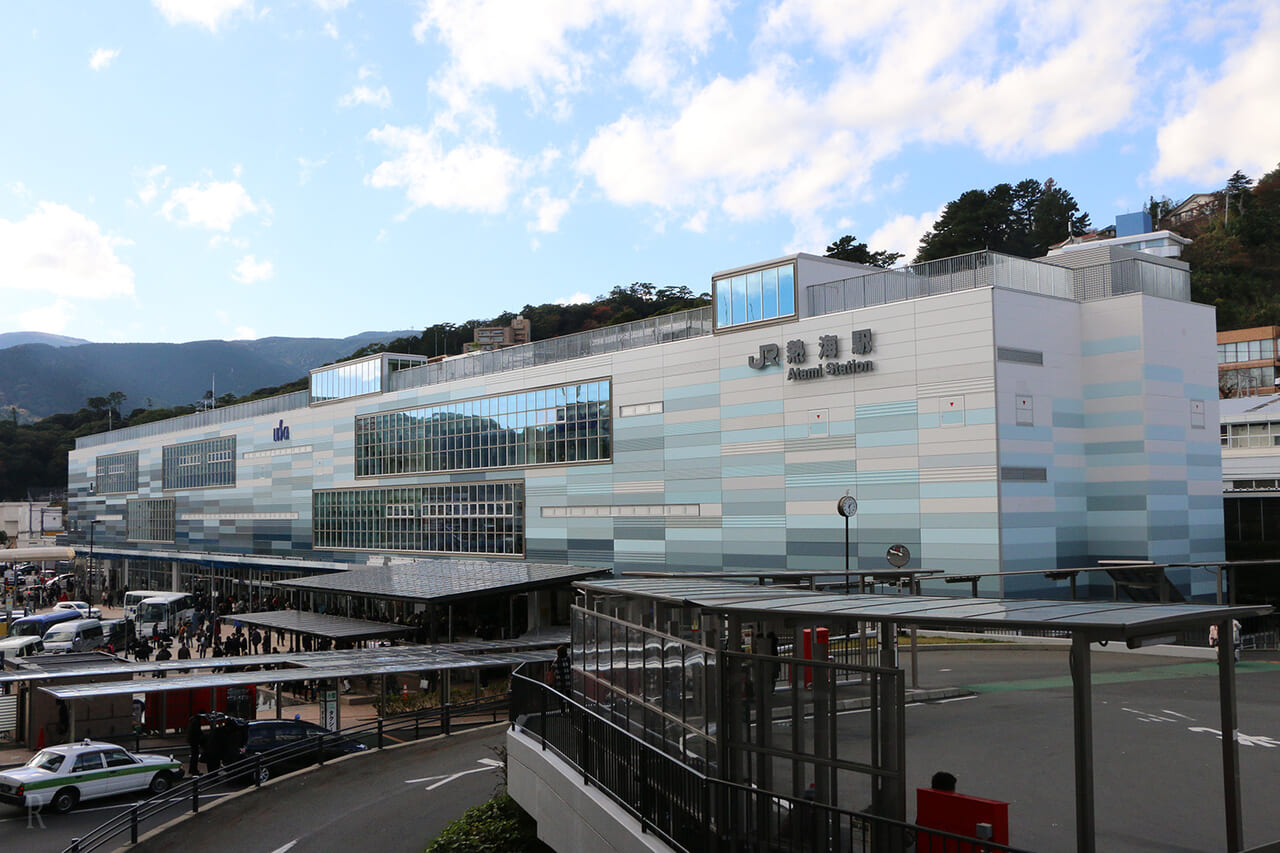
This primarily includes routes to Kawaguchiko using JR lines and Fujikyu Railway lines within Tokyo, Karuizawa using the Hokuriku Shinkansen, Izu and Atami using the Izukyu Line, Nikko and Kinugawa, and access routes to Narita and Haneda airports. On the other hand, Hakone and Chichibu are generally excluded.
The JR Tokyo Wide Pass is a 3-day pass limited to the Kanto region and surrounding areas, and is characterized by its lower price compared to the nationwide JR Pass. On the other hand, the nationwide JR Pass allows use of a wide range of Shinkansen and JR lines throughout Japan, and has a longer validity period, but it is also more expensive. The most suitable pass depends on the area you are traveling to.
Japan drives on the left, which is relatively similar to Hong Kong's driving customs, but it's the opposite of Taiwan's. Travelers from Taiwan should pay particular attention to their direction of travel and turning, especially at first. Highway signs are relatively easy to understand, and car navigation systems are widespread, so it's not extremely difficult if you check the route in advance. However, it is recommended to avoid driving in mountainous areas with snowfall during winter, or to be well-prepared.
You can purchase tickets in advance through JR East's official website or participating travel agencies. You can also pick them up at designated JR East counters after arriving in Japan. While it may be possible to purchase tickets at counters within Japan, if your travel dates are fixed, it's best to check the purchase method and seat reservation method in advance.
When traveling with four or more people, renting a car can be more economical than purchasing individual passes, as rental fees, highway tolls, and gasoline costs can be split among the group. This is especially true when traveling with a lot of luggage, as car travel offers greater convenience. On the other hand, for couples or small groups of two, the JR Tokyo Wide Pass may be more cost-effective depending on the destination, and it eliminates the burden of driving.
Neither the JR Tokyo Wide Pass nor a rental car is necessarily better than the other. What's important is the area you want to visit and how much freedom you want to get around during your trip. First, decide which area of Tokyo you want to visit, and then compare it with the transportation comparison chart above to choose your mode of transport. This will reduce the risk of getting lost and confused about transportation once you arrive.

He is an editor at Resort Glamping.com, a glamping-focused media outlet visited by approximately 100 million people a month. He has written over 150 articles introducing glamping facilities and experience reports, and is involved in a wide range of glamping facility services, from planning and development to operation and customer acquisition consulting.