
Resort Glamping.com
Nationwide (Hokkaido, Tohoku, Kanto, Koshinetsu, Kansai, Tokai, Chugoku, Shikoku, Kyushu, Okinawa)
Resort Glamping.com
Nationwide (Hokkaido, Tohoku, Kanto, Koshinetsu, Kansai, Tokai, Chugoku, Shikoku, Kyushu, Okinawa)
September 30, 2026
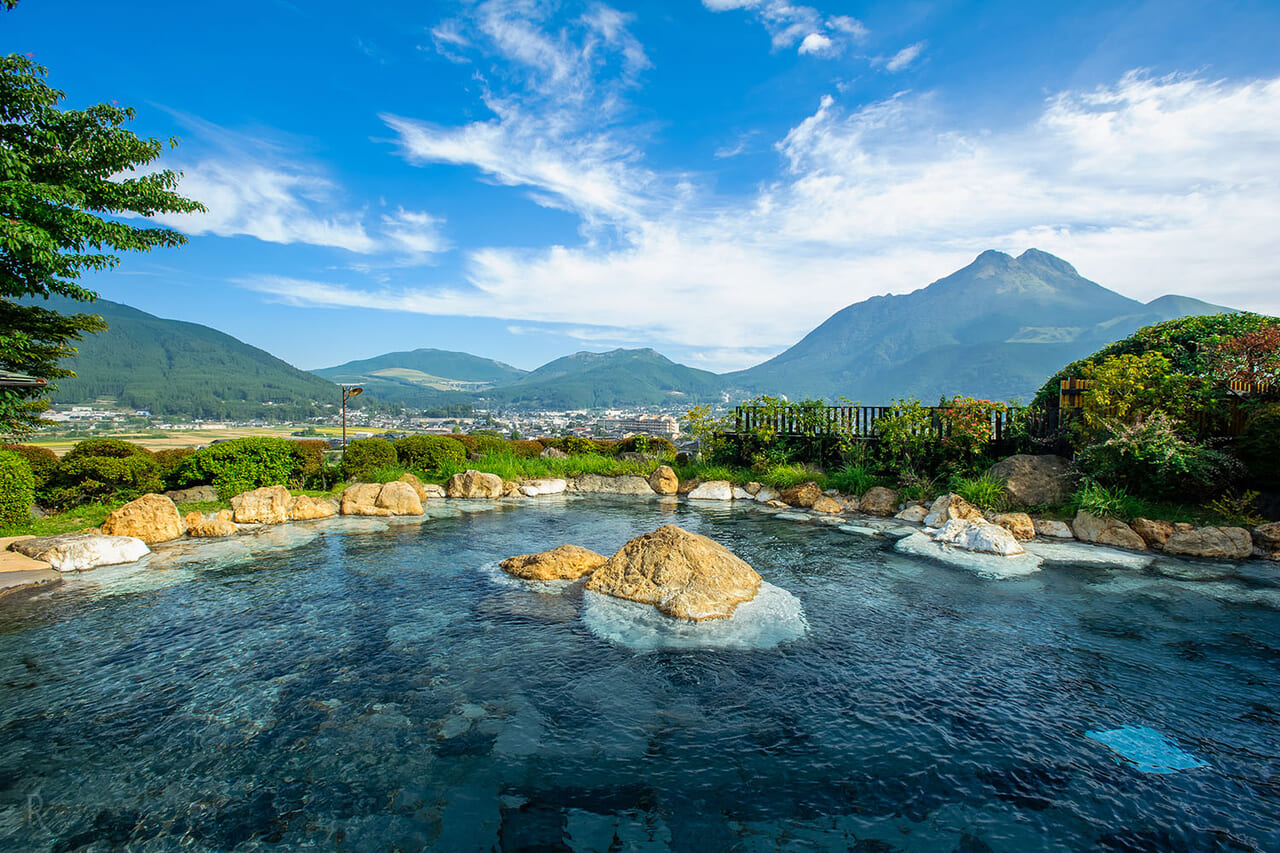
Winter in Japan brings falling snow and is the perfect season to soak in a warm hot spring. Japan's three most famous hot springs are Kusatsu Onsen, Arima Onsen, and Gero Onsen, and local delicacies include hot spring eggs, wagyu beef, and snow crab. This time, we'll introduce a ranking of Japan's best open-air hot springs and baths to visit in 2026!
table of contents
Apart from the "Three Famous Hot Springs of Japan," there is another group that is often confused with them: the "Three Ancient Hot Springs of Japan." The Three Ancient Hot Springs of Japan refer to Arima Onsen, Dogo Onsen, and Shirahama Onsen. While the Three Famous Hot Springs are known for their water quality and efficacy, the Three Ancient Hot Springs are known for their long history.
| Ranking | Onsen | Area | Characteristics of winter |
|---|---|---|---|
| 1 | Kusatsu Onsen | Gunma (Kanto region) | A popular hot spring known as one of Japan's three most famous hot springs. |
| 2 | Arima Onsen | Hyogo (Kansai) | Located near Osaka and Kobe, you can enjoy two types of hot springs: Kinsen (golden spring) and Ginsen (silver spring). |
| 3 | Gero Hot Springs | Gifu (Chubu region) | One of Japan's three most famous hot springs. Easily accessible from Nagoya. |
| 4 | 驫 | Yamagata (Tohoku) | A townscape reminiscent of the Taisho era. The illuminated scenery on a snowy night is like something out of a postcard. |
| 5 | Kurokawa Hot Spring | Kumamoto (Kyushu) | A hot spring resort with open-air baths that evoke a distinctly Japanese atmosphere. |
| 6 | Noboribetsu Onsen | Hokkaido | Jigokudani (Hell Valley) is famous and can be easily combined with a ski trip. |
Kusatsu Onsen is a popular hot spring resort located in Kusatsu-machi, Agatsuma-gun, Gunma Prefecture, and has been ranked as the number one hot spring in Japan for many years. At the heart of the hot spring town is the Yubatake, where the hot spring water gushes out, and it is lit up at night. It is also famous for "Yumomi," a method of stirring the hot spring water with wooden boards to lower its temperature. The water quality of Kusatsu Onsen is highly acidic and is known for its strong antibacterial properties. For this reason, it is sometimes used for people with skin problems, but it is recommended that people with unhealed wounds or sensitive skin avoid prolonged bathing.
Kusatsu Onsen Tourism Association
Address: 28 Kusatsu, Kusatsu-machi, Agatsuma-gun, Gunma Prefecture
Phone: 0279-88-0800
Official site:https://www.kusatsu-onsen.ne.jp/
Transportation: From Tokyo/Ueno area, take the JR Shinkansen to Karuizawa or Naganohara-Kusatsuguchi, then transfer to a bus. The journey takes approximately 2 hours 30 minutes to 3 hours.
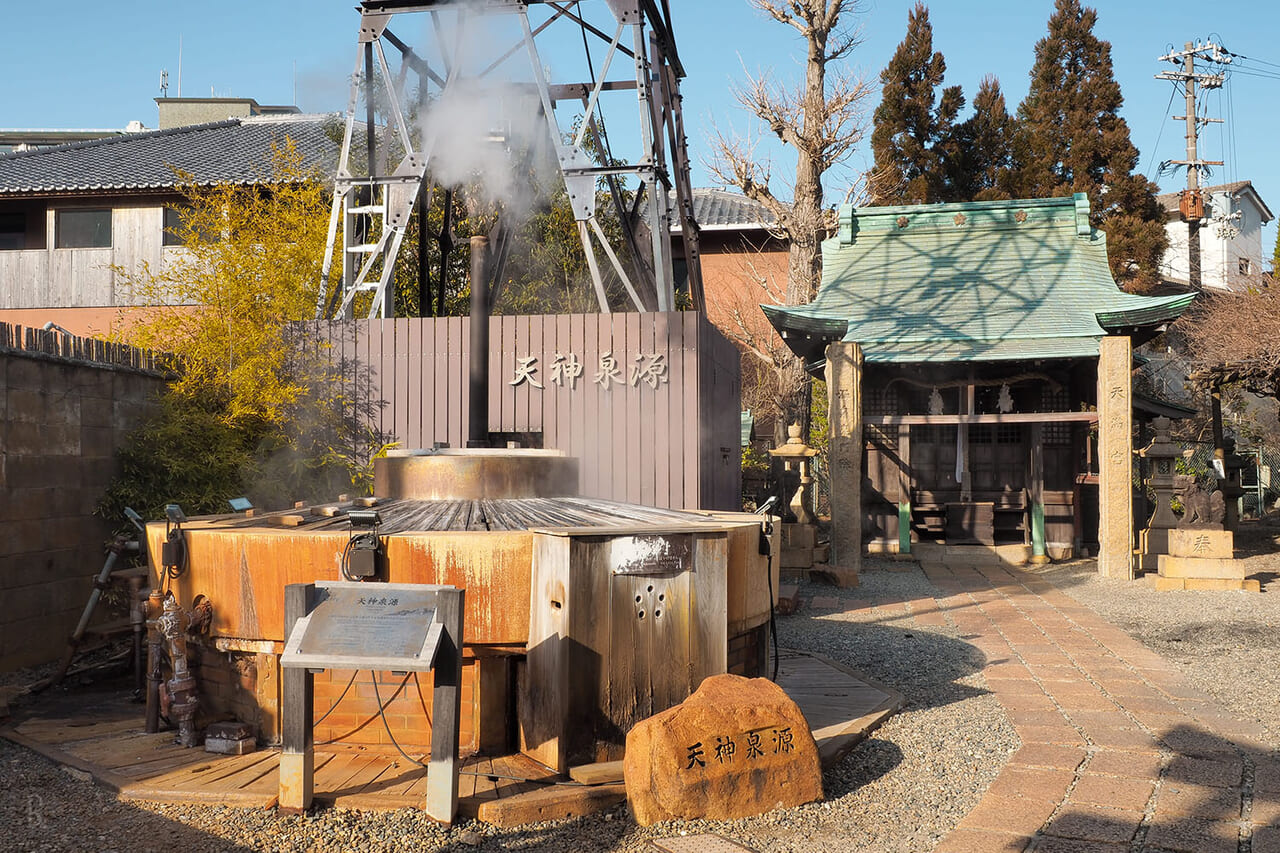
Photo courtesy of Kobe Tourism Bureau
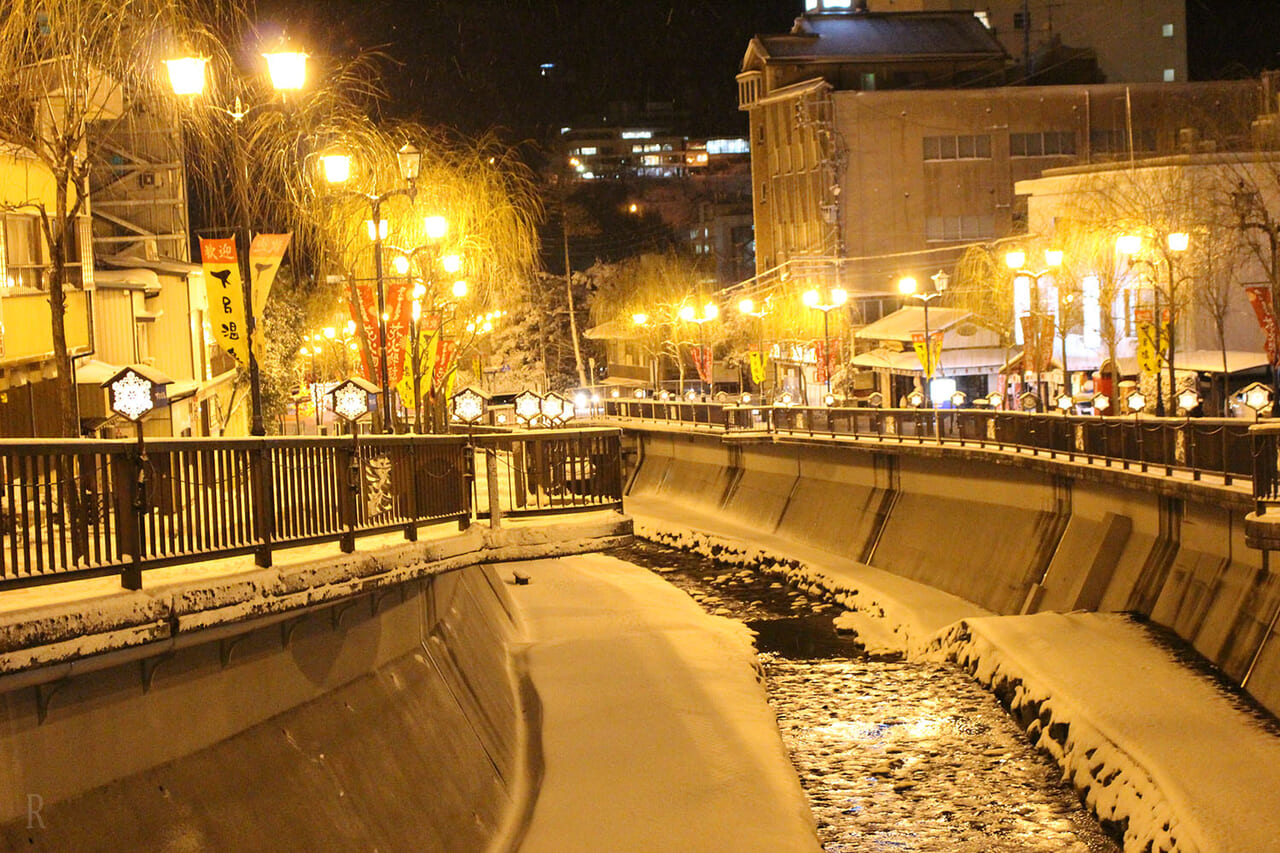
Arima Onsen is a popular hot spring resort that can be accessed in about an hour from Osaka's Umeda and Kobe's Sannomiya. The hot springs are divided into "Kinsen," which is reddish-brown due to its iron content, and "Ginsen," which is colorless and transparent and contains carbonic acid and radium.
Arima Onsen Tourist Information Center
Address: 790-3 Arima-cho, Kita-ku, Kobe City, Hyogo Prefecture 651-1401
Phone: 078-904-0708
Official site:https://www.arima-onsen.com/
Transportation: Take the Kobe Electric Railway Arima Line to Arima Onsen Station. The journey takes approximately 30-40 minutes.
Gero Onsen is located in Gifu Prefecture, and its hot spring water is an alkaline simple hot spring. It is colorless and transparent, and its smooth texture has earned it the nickname "Beauty Hot Spring." It is also relatively easy to access from Nagoya. Furthermore, it is an area where you can enjoy Hida beef, and there are many shops in the hot spring town that sell Hida beef sushi, Hida beef croquettes, and other similar items.
Gero Onsen Tourism Association
Address: 922-6 Mori, Gero City, Gifu Prefecture
Phone: 0576-24-1000
Official site:https://www.gero-spa.com/
From Nagoya: Take the JR Limited Express "Hida" directly to Gero Station. The journey takes approximately 1 hour 30 minutes to 2 hours.
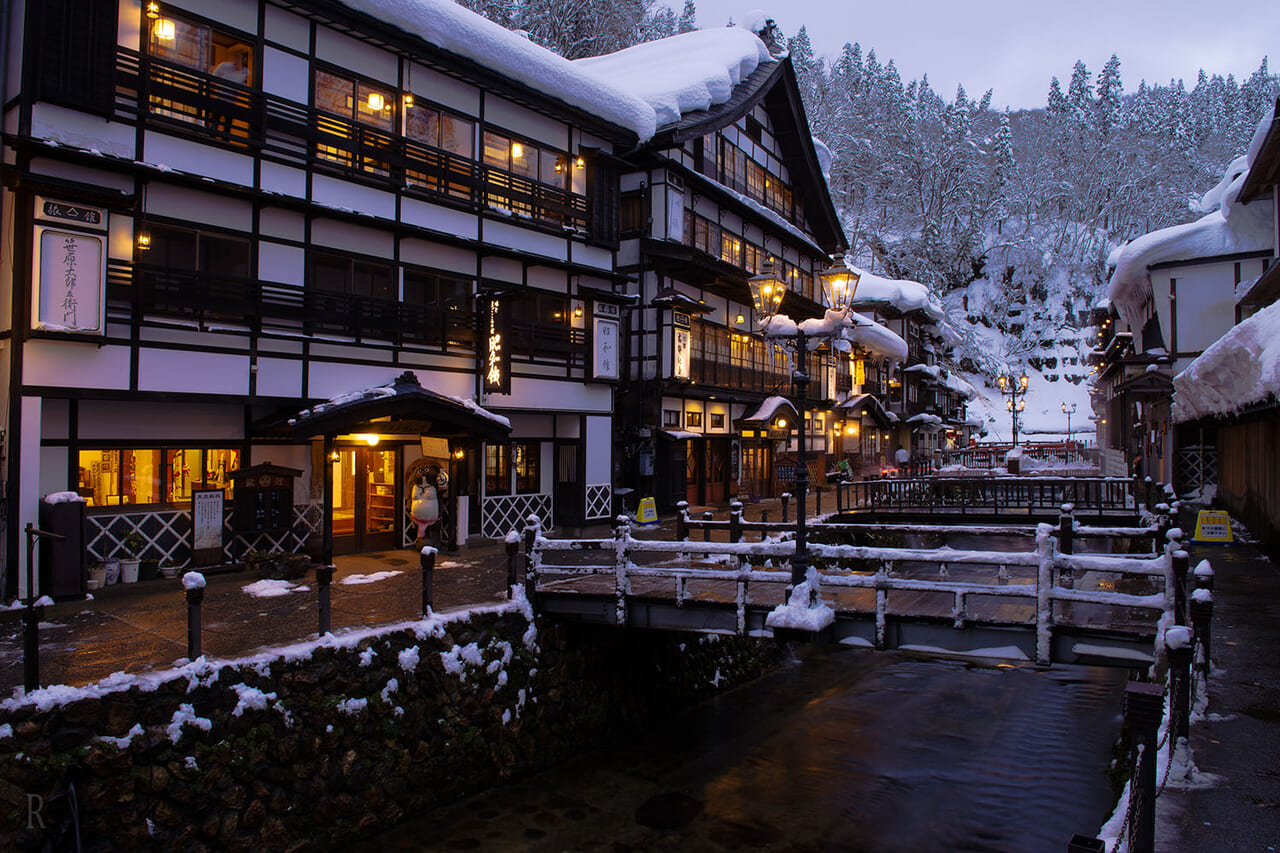
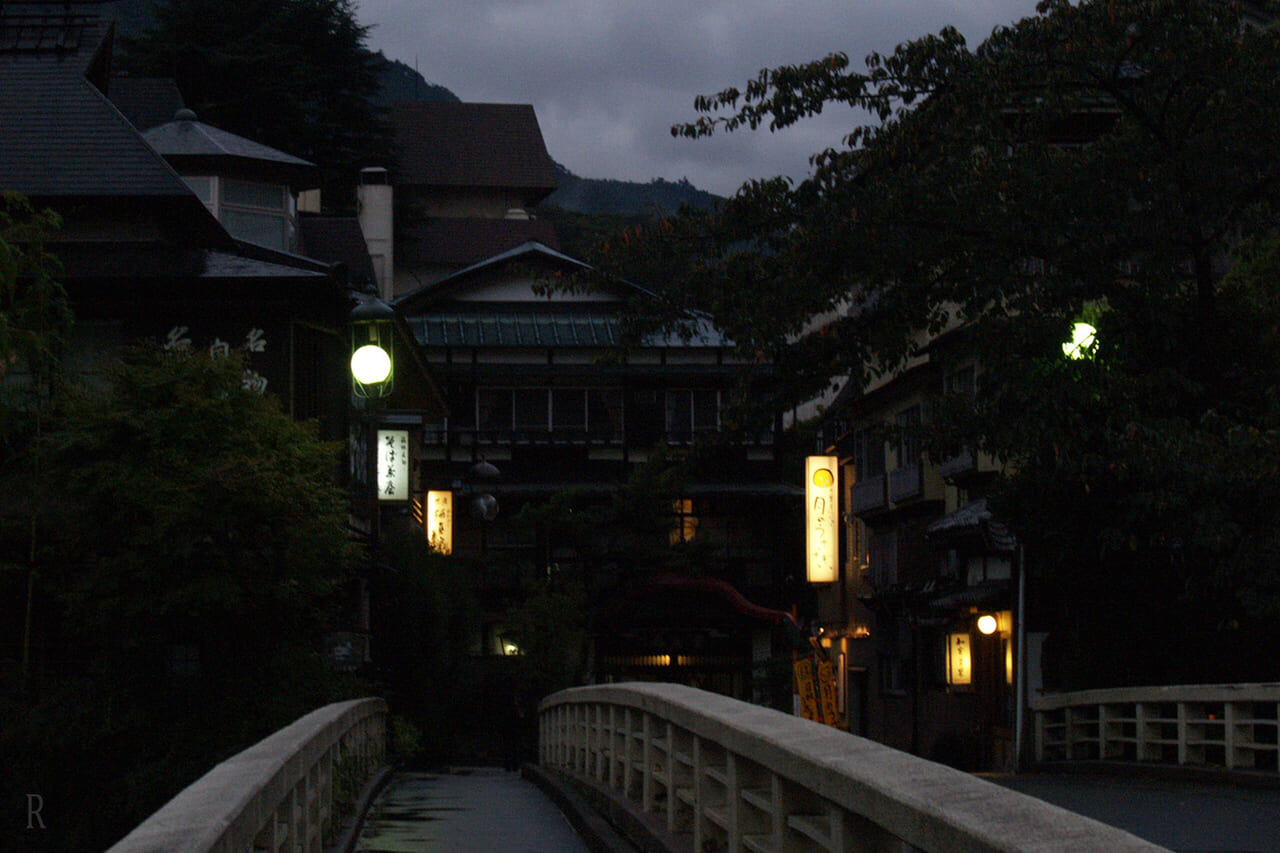
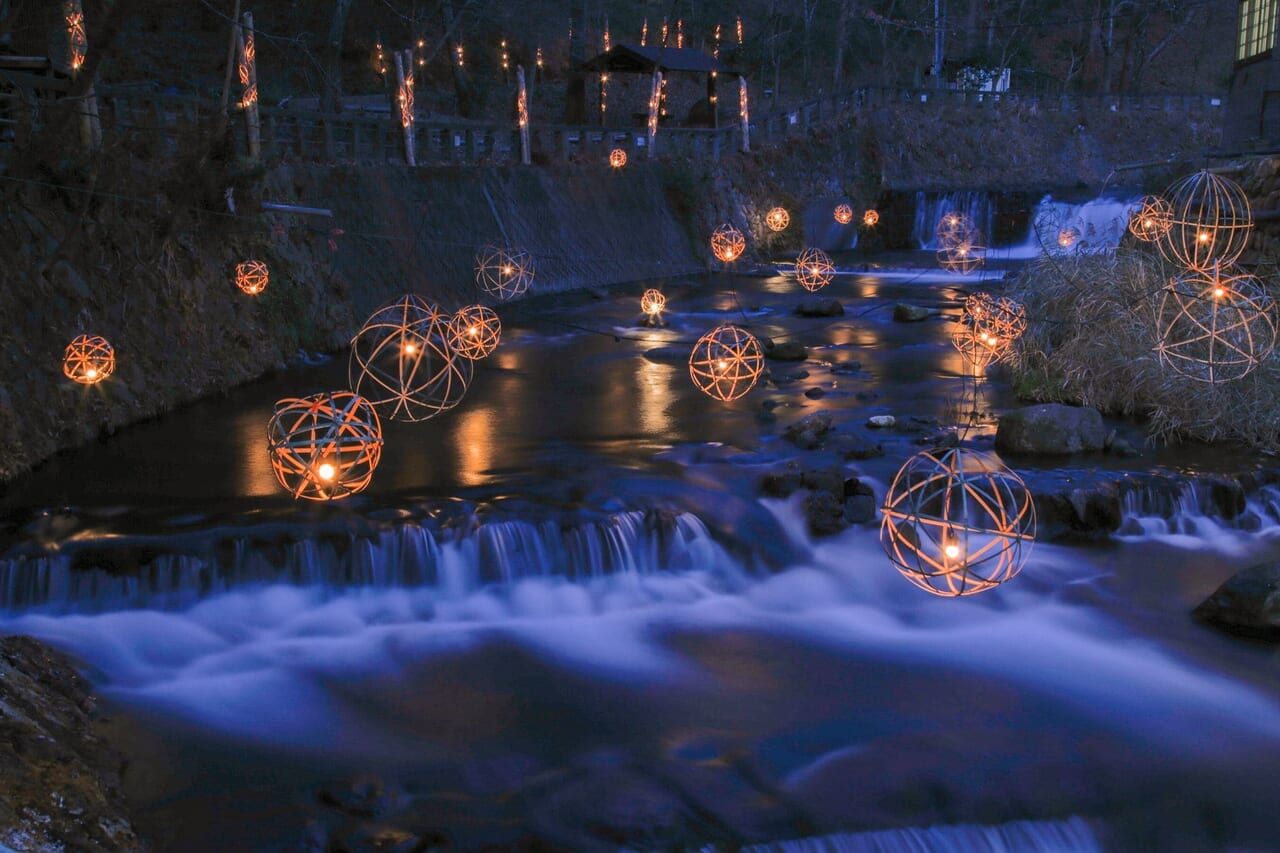
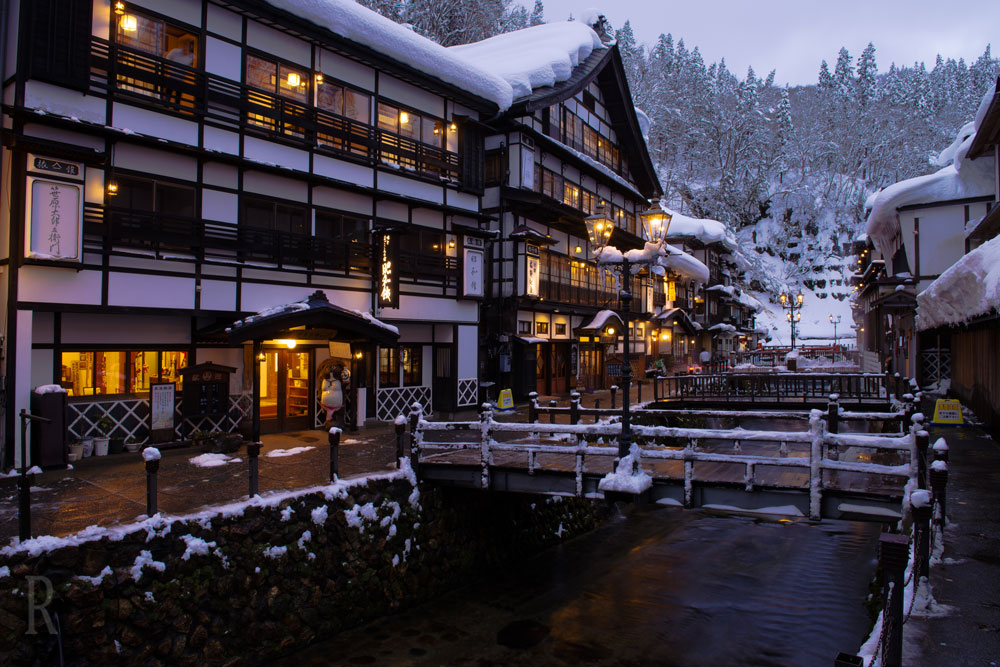
Ginzan Onsen is located in Obanazawa City, Yamagata Prefecture. The hot spring town retains the atmosphere of the Taisho era, with wooden inns lining both banks of the Ginzan River. At night, gas lamps are lit, and the fantastical scenery on snowy nights is a representative sight that is frequently featured in rankings of Japanese hot springs. It takes about 1 to 1.5 hours by car from Sendai and Yamagata City.
Kurokawa Onsen is located in the Aso area of Kumamoto Prefecture. It is characterized by the fact that many inns each have their own open-air bath with a different atmosphere, and travelers can enjoy visiting the open-air baths of multiple inns by purchasing a "bathing pass".
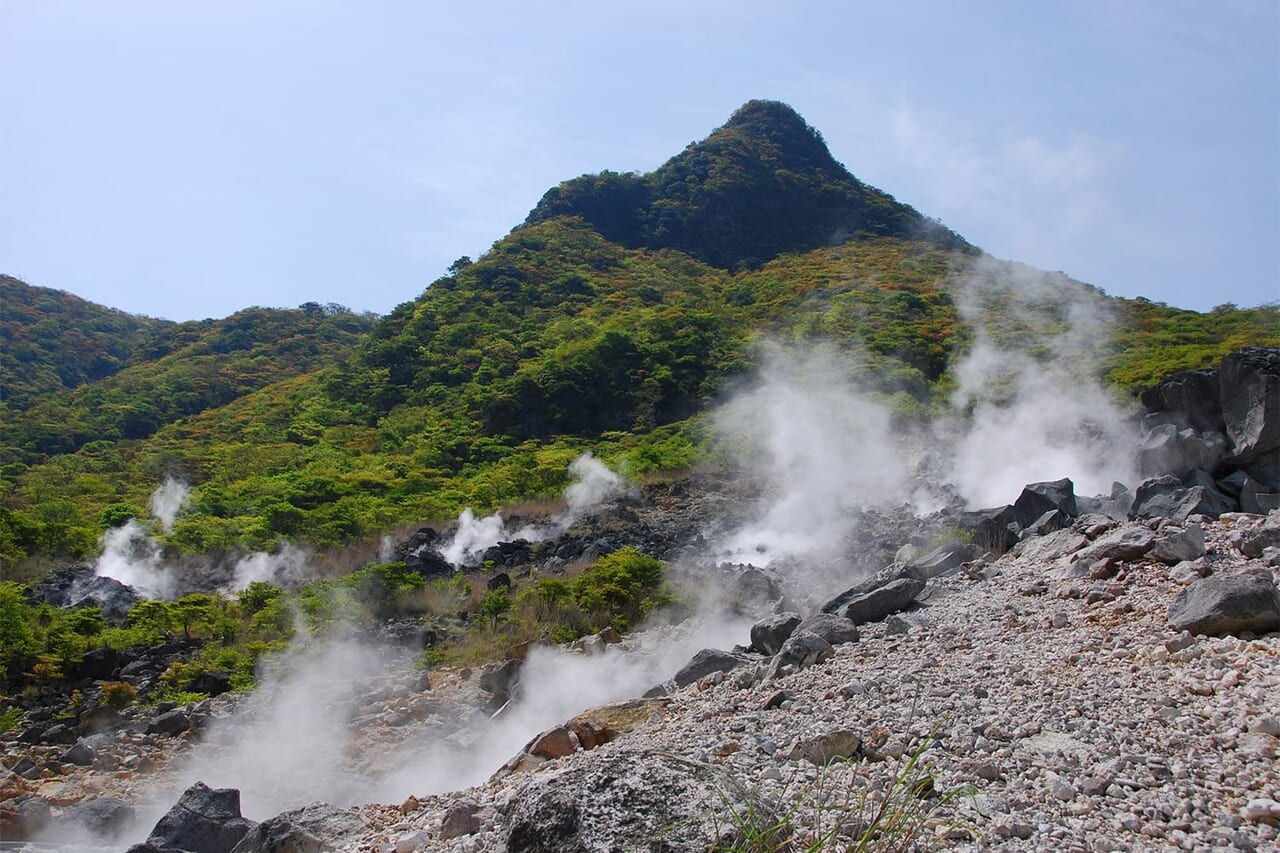
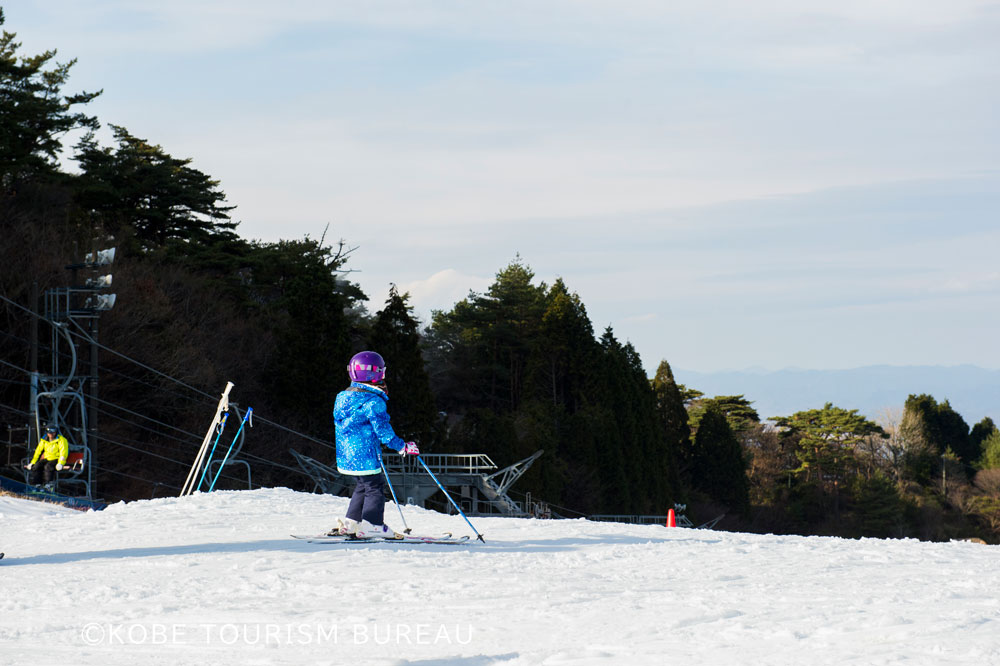
Noboribetsu Onsen in Hokkaido boasts a rich variety of hot spring waters, said to have as many as nine different types. The source of the springs, Jigokudani (Hell Valley), is an active volcanic area, and in winter, the white snow and rising sulfurous smoke create a striking landscape. Noboribetsu is located about an hour's drive from New Chitose Airport, making it an ideal stop before or after a ski trip in Hokkaido. After enjoying skiing, you can relax and unwind in the hot springs.

Located in Maebashi City, Gunma Prefecture, this luxury accommodation features hot springs and offers stunning views of the changing seasons and sparkling nightscapes. All guest rooms are equipped with private hot springs. Guests can also relax at the "AKAGI GLAMPING CAFÉ," and complimentary drinks are included with all accommodation plans. For dinner, guests can enjoy dishes such as Joshu beef sirloin steak and scallops.

This luxury glamping facility is located in Yugawara Town, at the southernmost tip of western Kanagawa Prefecture. All guest rooms are equipped with natural hot springs from the facility's own source, as well as private barrel saunas and cold plunge pools. Furthermore, there is an open-air bath exclusively for dogs, allowing you to spend special time with your pet. For meals, you can enjoy carefully selected beef grilled on a rock-grilled surface, or half a fresh spiny lobster grilled over charcoal from Sagami Bay.

This luxury accommodation features private open-air baths in each room and a variety of experiential activities. All rooms are equipped with natural hot springs that are gentle on the skin. There are also rooms available where you can stay with your dog, and all rooms are equipped with a large screen theater. For meals, you can enjoy beef shabu-shabu with two types of Koshu red wine, or BBQ using Koshu beef and Fuji Sakura pork.
| Events | Area | Event dates for 2026-2027 | Characteristics |
|---|---|---|---|
| Sapporo Snow Festival | Sapporo | 2027 / 2 / 4 ~ 2 / 11 | Large snow sculptures, ice sculptures, nighttime projection |
| Otaru Snow Light Path | Otaru | 2027 / 2 / 6 ~ 2 / 13 | Canal candles, floating candles, candlelit road |
| Zao Snow Monster Illumination | Yamagata | Usually late May to late June | Snow monsters on the trees, nighttime ropeway |
| Shirakawa-go Winter Illumination | Gifu | 2027/1/11, 17, 24, 31 | World Heritage Site: Snow-covered Gassho-zukuri houses (reservations required) |
| Nabana no Sato Illumination | Triple | Mid-October to the end of May of the following year | Japan's largest illumination event, held throughout the winter season. |
The Sapporo Snow Festival is Hokkaido's largest winter festival, held every February at three venues: Odori Park, Susukino, and Tsudome. Giant snow and ice sculptures, created using heavy machinery, are on display, and visitors can enjoy projection mapping and illuminations at night. In 2027, the festival will be held for eight days from February 4th to February 11th, and admission is free.
Address: Around 1-11 Odori West, Chuo-ku, Sapporo City, Hokkaido
Official site:https://www.snowfes.com
Transportation: From New Chitose Airport, take the JR rapid train to Sapporo Station (approximately 35-40 minutes). From there, it's about a 10-minute walk or subway ride to the Odori venue.
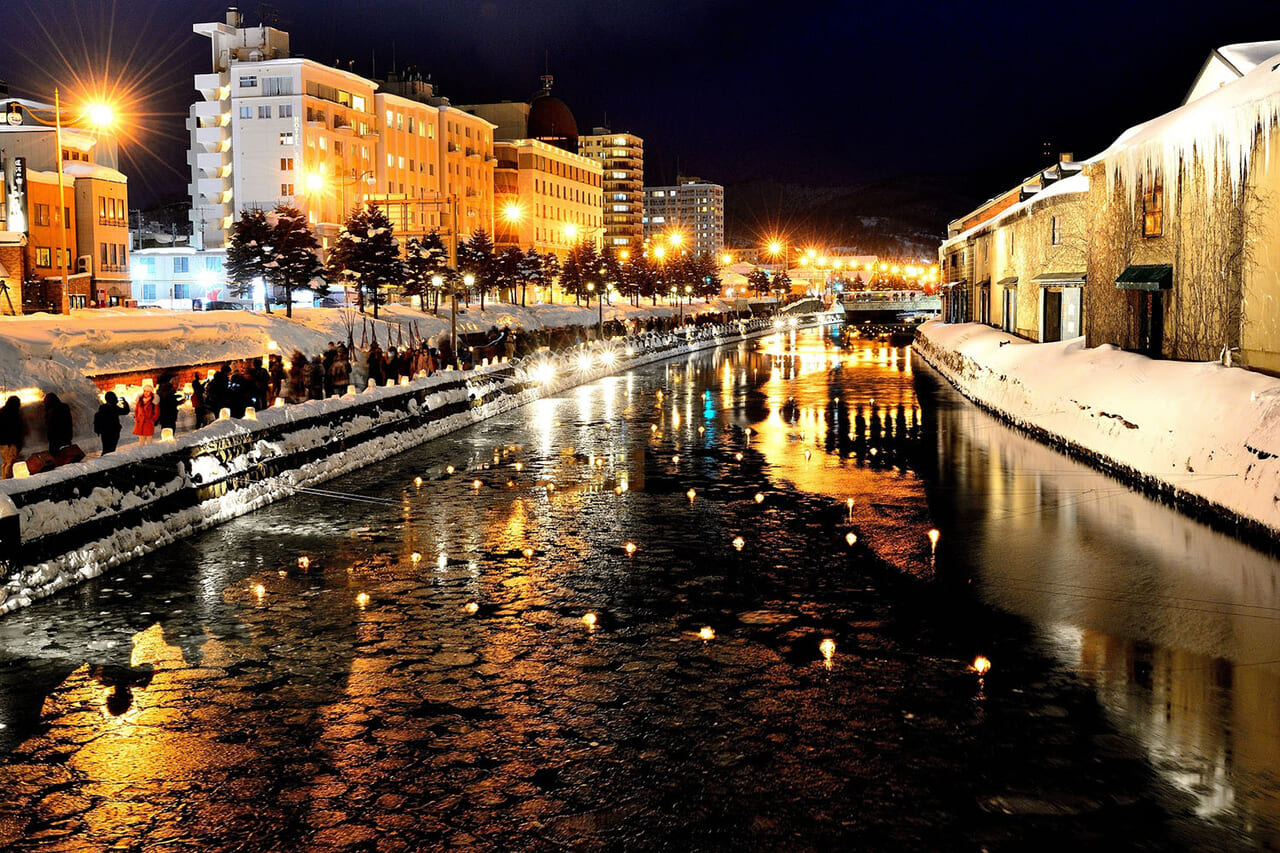
The Otaru Snow Light Path is a winter event that illuminates the canal and the former Temiya Line railway site with countless candles and snow candles. Numerous glass floating candles float on the surface of the canal, making it one of Hokkaido's most romantic winter spots. It is often included in the same travel itinerary as the Sapporo Snow Festival. In 2027, it is scheduled to be held from February 6th to February 13th, with the illumination time from around 17:00 to 21:00.
Address: Otaru Canal venue and surrounding area of the former JNR Temiya Line, Otaru City, Hokkaido
Official site:http://yukiakarinomichi.org
Transportation: Approximately 10 minutes on foot from JR Otaru Station to the canal venue. Approximately 35-45 minutes by JR train from Sapporo city to Otaru Station.
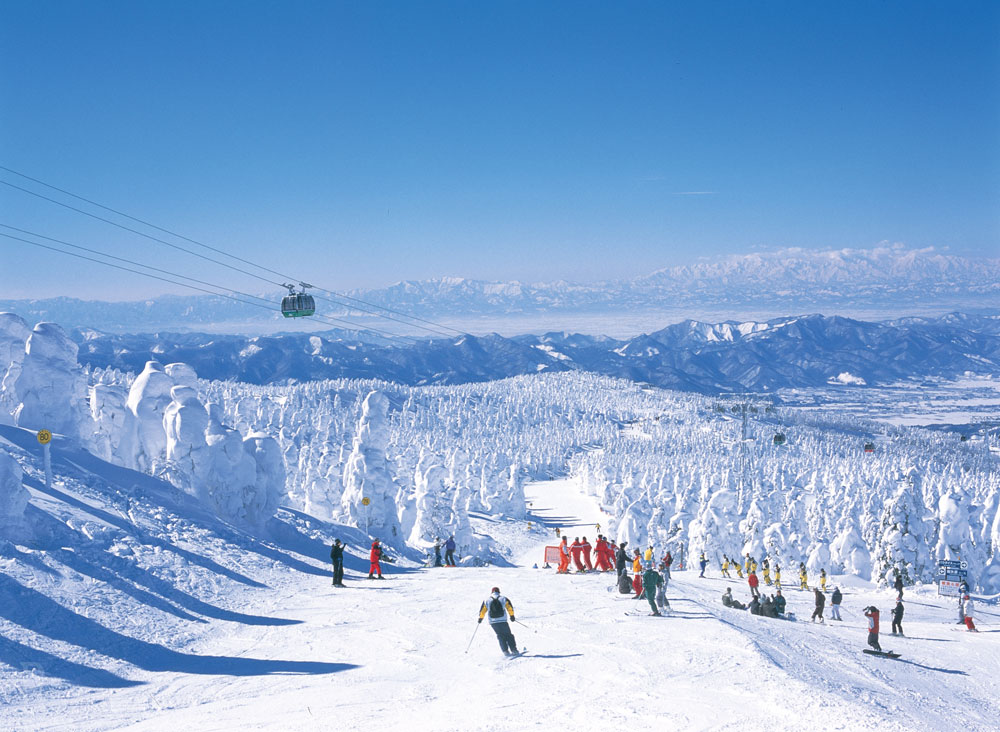
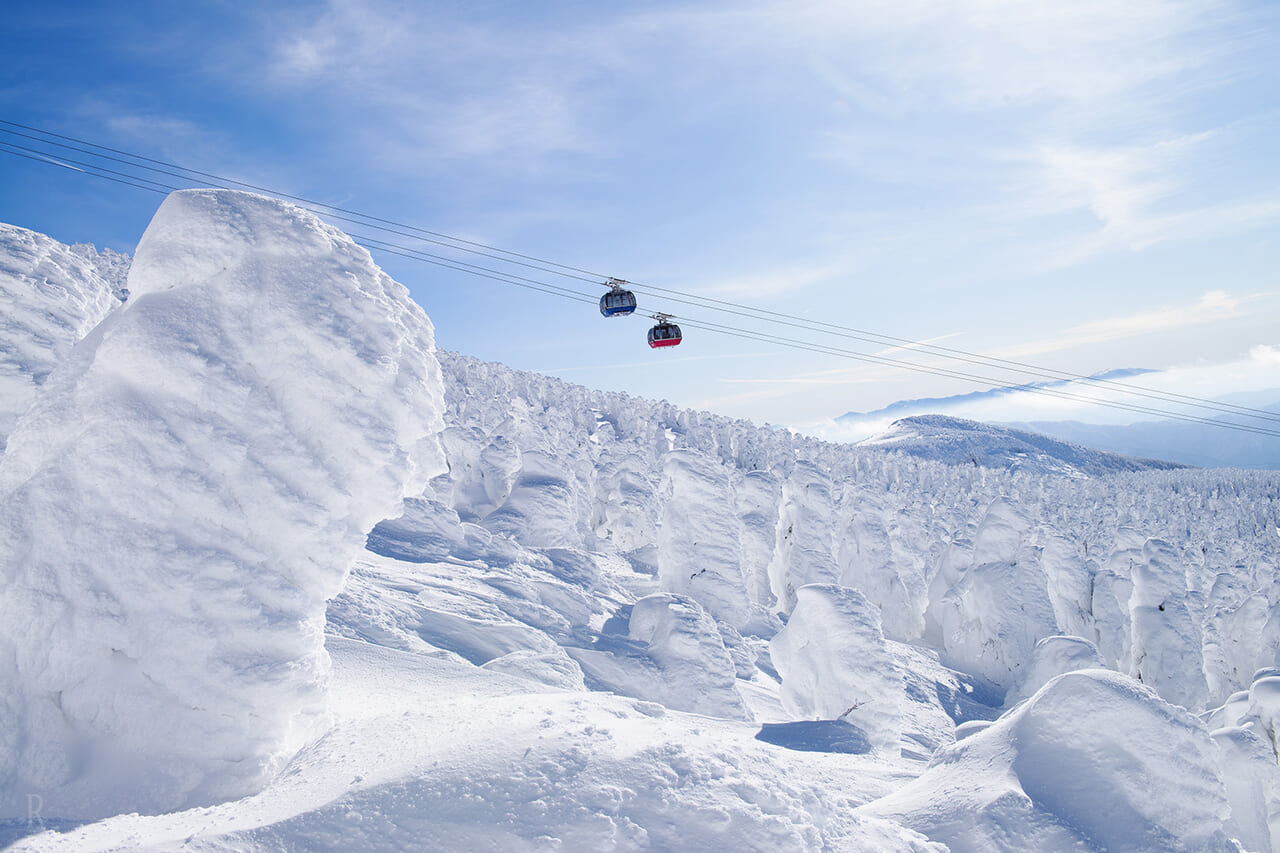
The snow monsters of Zao are a spectacular natural wonder unique to Yamagata Prefecture in the Tohoku region. Coniferous trees freeze in low temperatures and dense fog, creating a landscape of gigantic white ice sculptures known as "snow monsters." You can admire the snow monsters up close by taking the Zao Ropeway. At night, the snow monsters are illuminated for a limited time, and there are also night tours called "Night Cruiser," where the snow monsters, illuminated against the dark mountain, offer a different kind of awe-inspiring sight than during the day. The illumination is usually held from late December to late February.
Address: Zao Ropeway base station, Zao Onsen, Yamagata City, Yamagata Prefecture
Phone: 023-694-9328
Official site:https://www.zao-spa.or.jp/
Transportation: From JR Yamagata Station, take a bus for about 40 minutes, get off at Zao Onsen, then transfer to the Zao Ropeway to head towards the mountaintop.
@Haruki Etsuyo
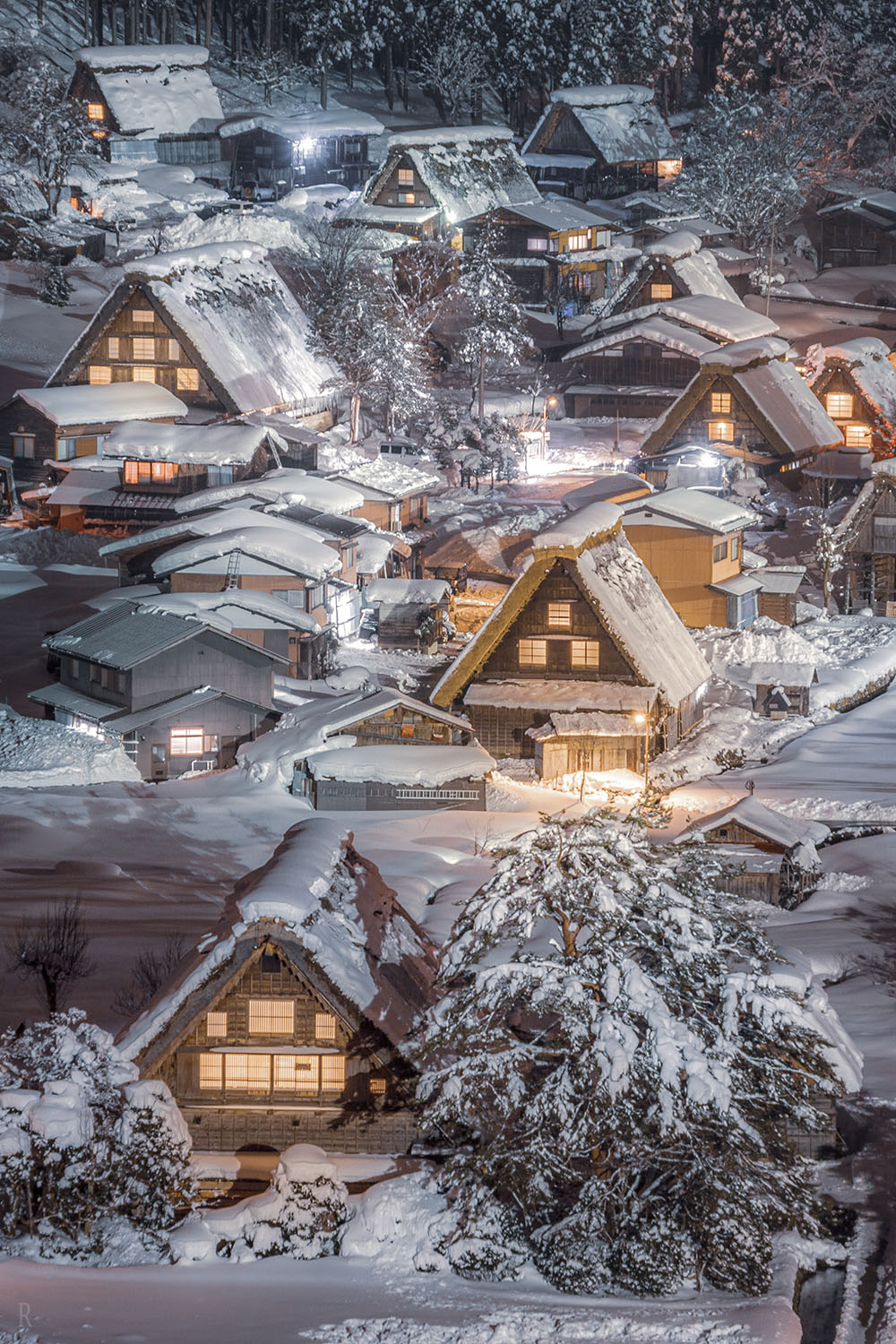
Shirakawa-go is a village of Gassho-zukuri houses registered as a UNESCO World Heritage Site. During the winter season, the village is illuminated, and the combination of the snow-covered white roofs and the warm yellow lights creates a fantastical Japanese snowscape that many travelers dream of. The illumination is by reservation only and is scheduled to be held on four days in total: January 11th, 17th, 24th, and 31st, 2027. The illumination will take place from 17:30 to 19:30 each day.
Address: Ogimachi area, Shirakawa Village, Ono District, Gifu Prefecture
Official site:https://shirakawa-go.gr.jp/
Transportation: Approximately 2 hours 30 minutes to 3 hours by Gifu Bus from Nagoya, approximately 50 to 67 minutes by Nohi Bus from Takayama, and approximately 75 minutes from Kanazawa.
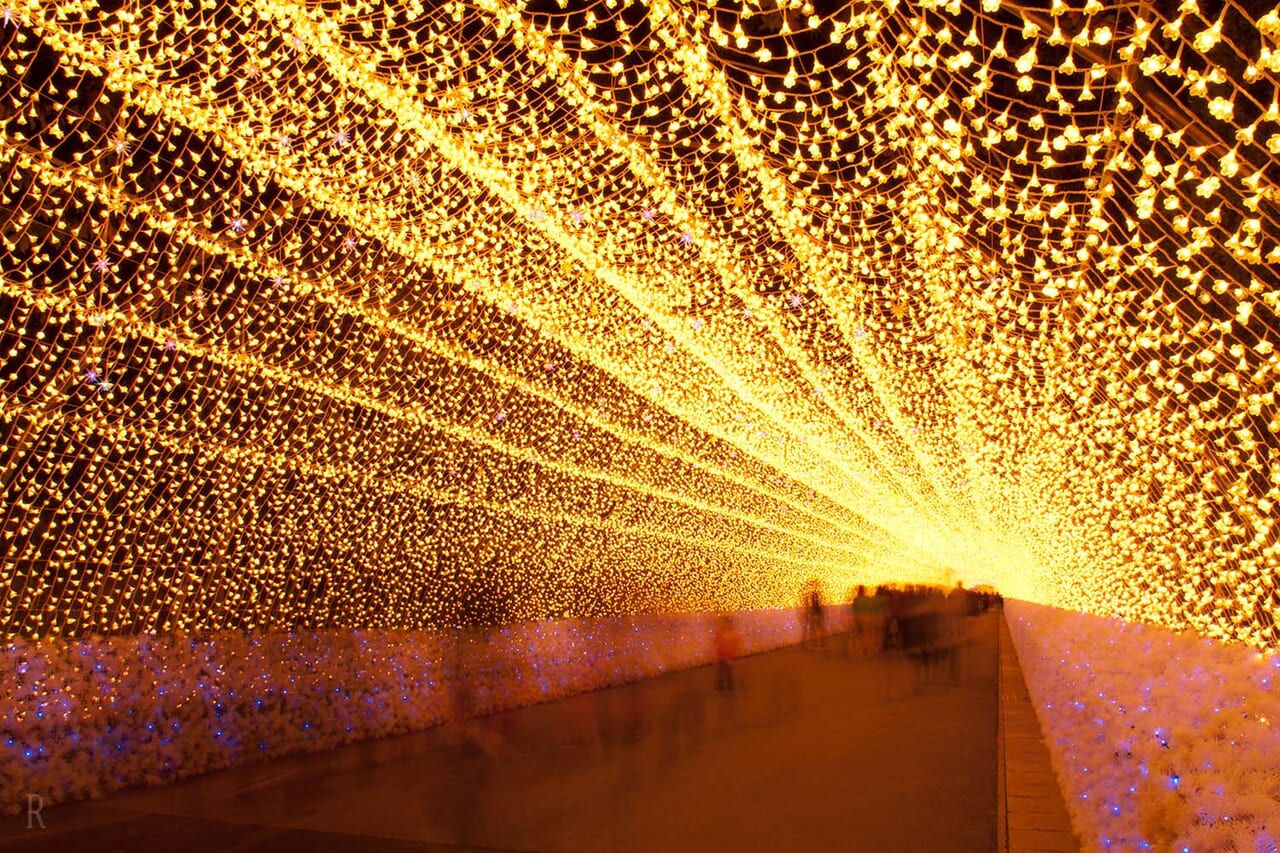
Photo courtesy of Mie Prefecture Tourism Federation
Located in Mie Prefecture, Nabana no Sato is one of Japan's largest illumination spots. The park is lit up from around mid-October to the end of May each year, allowing visitors to enjoy it throughout the winter season. The park features popular photo spots such as a 200-meter-long "tunnel of light" and water illuminations.
This dish uses the natural heat of a hot spring to cook eggs to a soft-boiled state. The egg white is firm and the yolk has a runny texture. You can enjoy hot spring eggs in various hot spring resorts such as Kusatsu, Beppu, and Hakone.
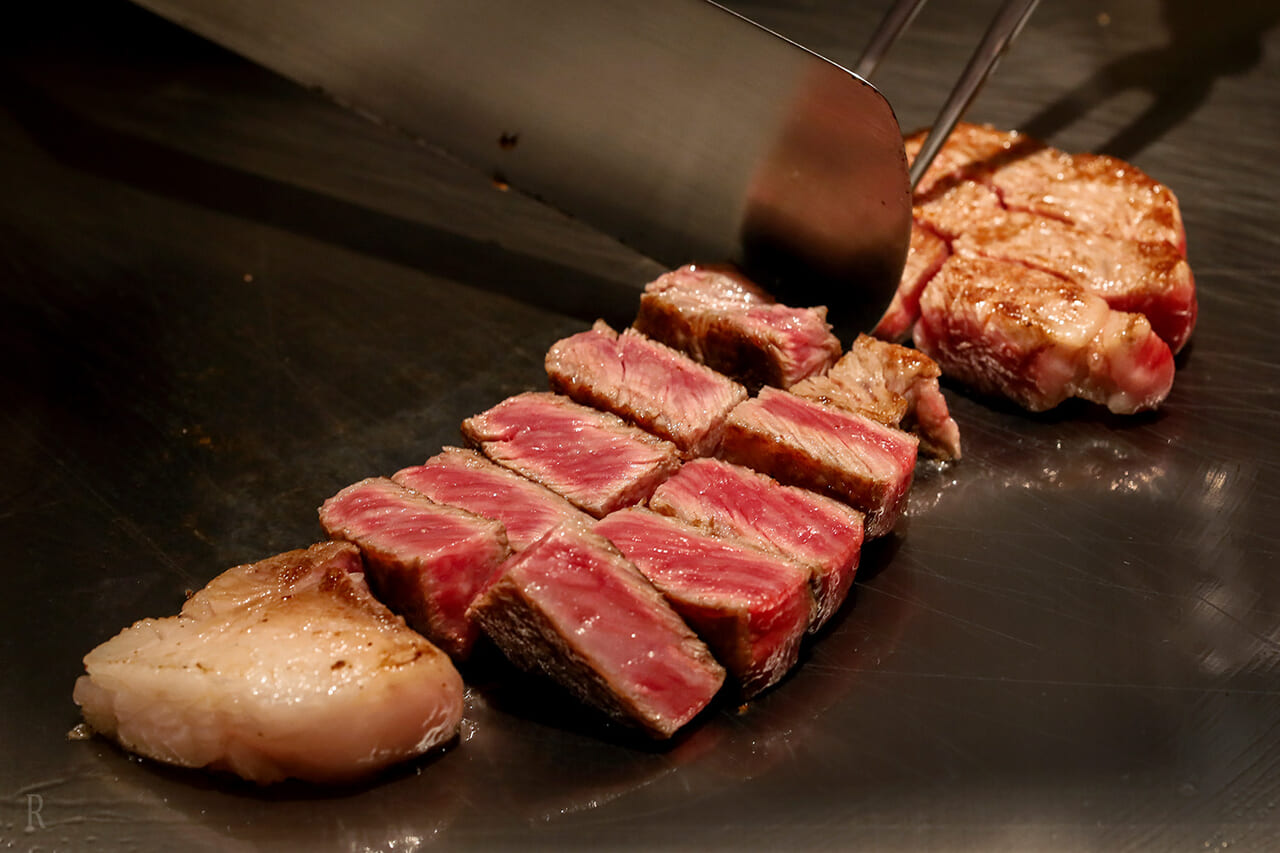
Photo courtesy of Kobe Tourism Bureau
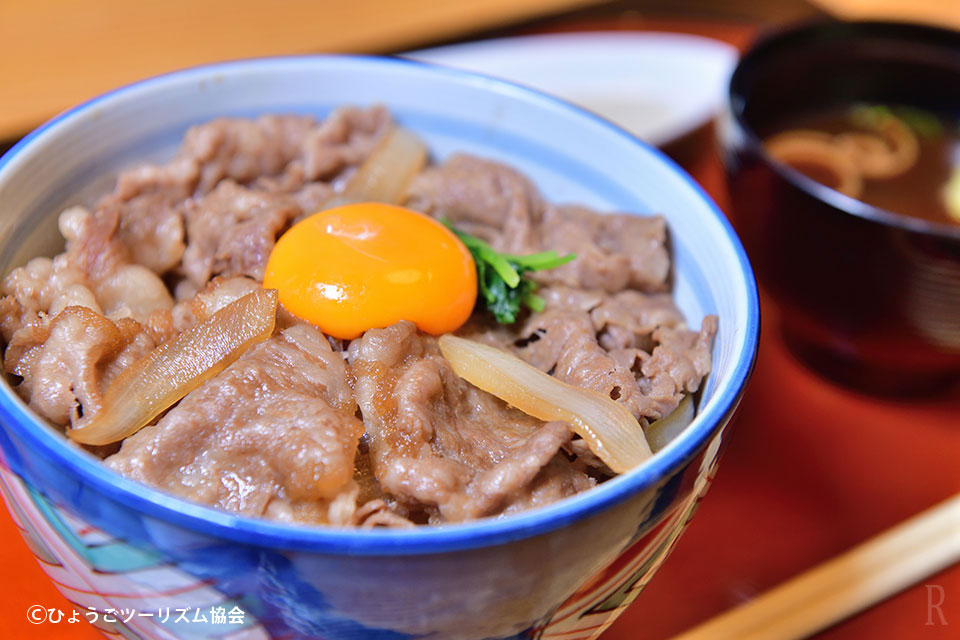
Kobe beef and Tajima beef from Hyogo Prefecture, and Hida beef from the Gero area of Gifu Prefecture, are known as some of Japan's finest wagyu beef. In winter, it's highly recommended to enjoy high-quality wagyu beef in kaiseki cuisine or sukiyaki at a hot spring inn.
© Tottori Prefecture
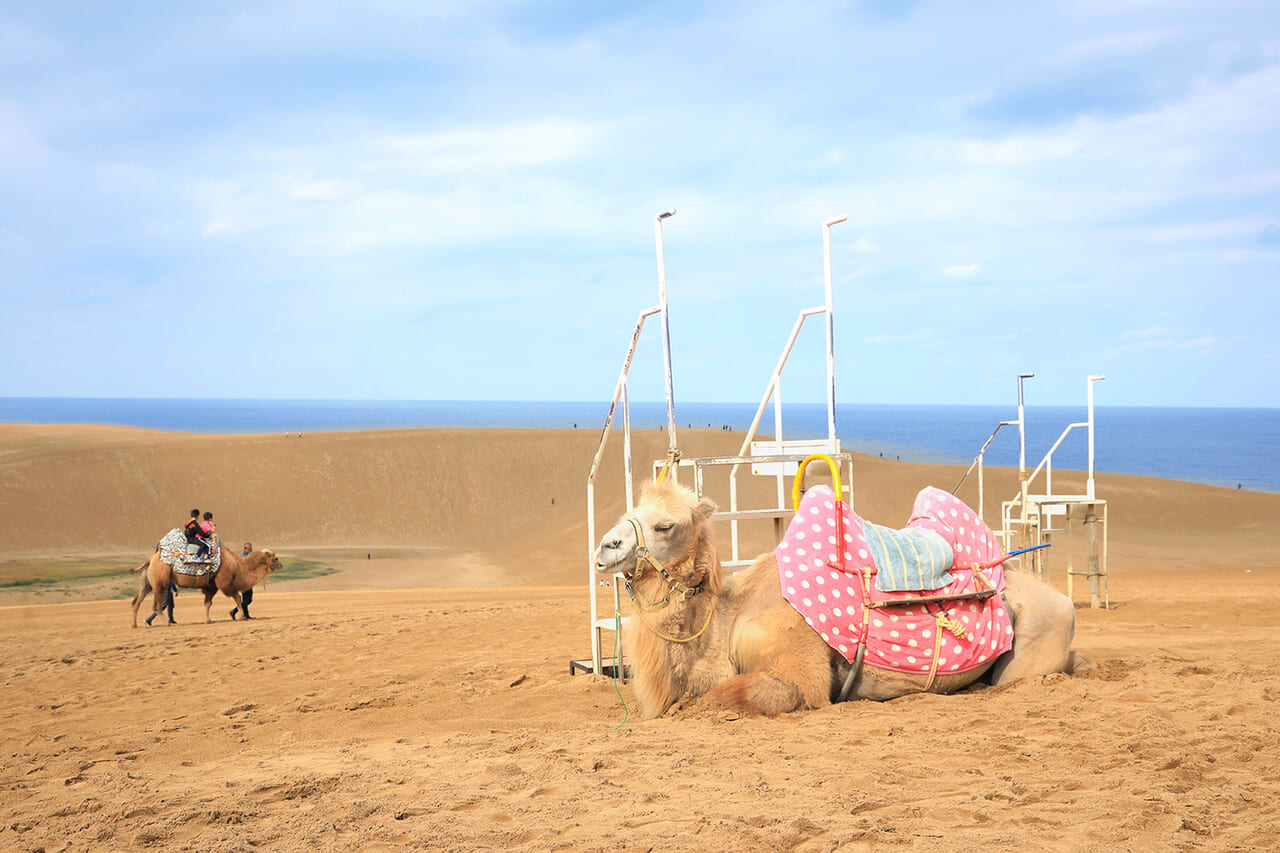
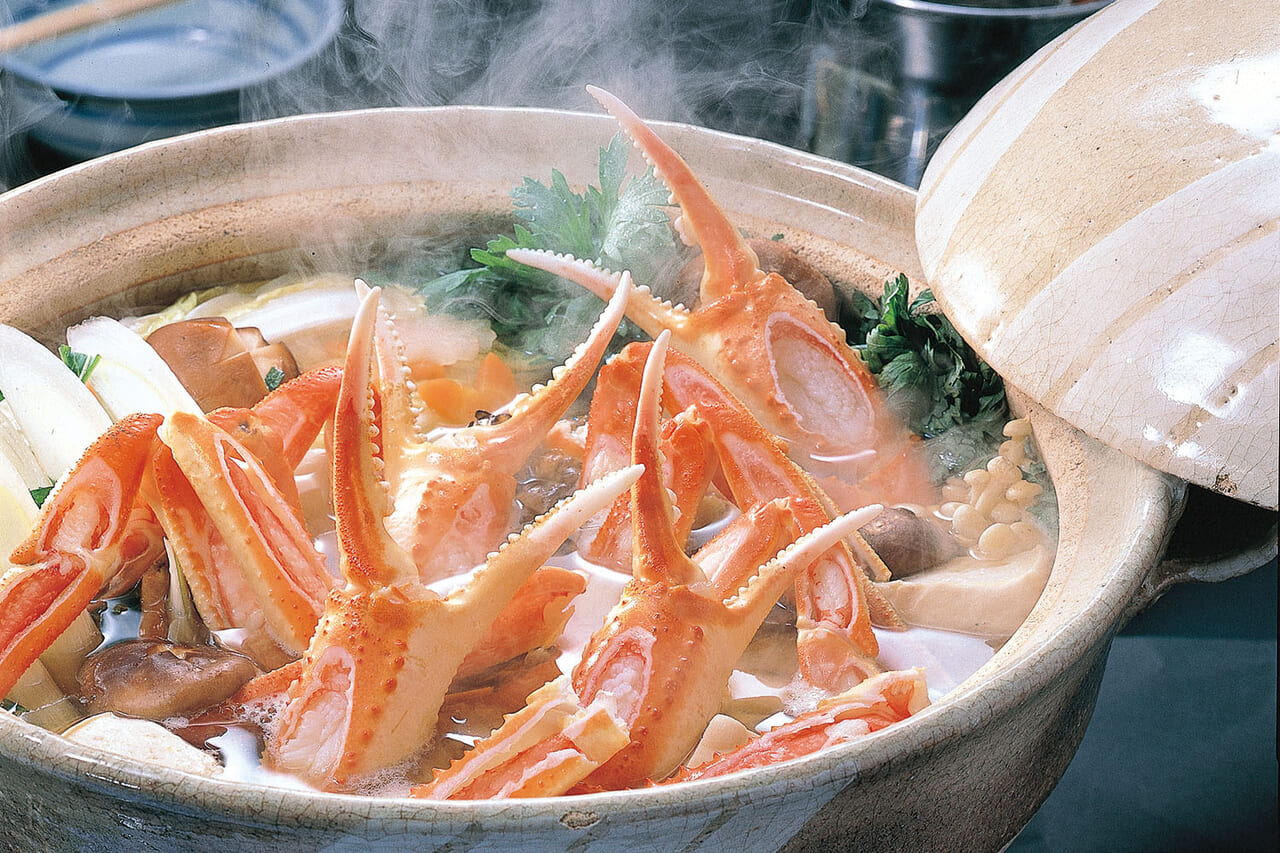
In areas along the Sea of Japan, such as Kinosaki Onsen in Hyogo Prefecture and Tottori Prefecture, snow crabs are in season during the winter. Many hot spring inns offer special winter-only crab kaiseki (multi-course) meals.
This is a representative souvenir from hot spring resorts such as Kusatsu and Ikaho. The dough has a subtle brown sugar aroma and is filled with sweet red bean paste, making it a classic treat to enjoy while strolling through the hot spring town.
This is a popular street food in the Gero Onsen and Takayama area. It consists of lightly grilled thin slices of Hida beef served on vinegared rice, and can be enjoyed while strolling through the hot spring town and old streets.
This is one of the local dishes you can enjoy around Kurokawa Onsen in Kumamoto. Horse meat has a subtle sweetness in its fat and is characterized by its tender and delicate texture.
These are Kusatsu Onsen, Arima Onsen, and Gero Onsen. They are known for being introduced by Hayashi Razan, a Confucian scholar during the Edo period, and have been highly regarded for their water quality and therapeutic effects.
In traditional Japanese public bathhouses, some facilities still prohibit entry to people with tattoos. On the other hand, an increasing number of hot spring inns offer private open-air baths in guest rooms or private baths for rent, allowing guests to enjoy the hot springs in a private setting.
From Tokyo Station or Ueno Station, you can take the JR Shinkansen or other trains towards Karuizawa, and then transfer to a bus to reach the Kusatsu Onsen Bus Terminal. The total travel time is approximately 2 hours 30 minutes to 3 hours.
Japan boasts a variety of hot springs with different water qualities. Representative types include sulfur springs, alkaline simple springs, carbonated springs, and iron springs, each with its own distinct characteristics. For example, sulfur springs are known for their antibacterial properties, alkaline simple springs for their smooth feel on the skin, carbonated springs for promoting blood circulation, and iron springs for their warming effects on the body. However, individual experiences and the effects on the body can vary.
For a winter trip to a hot spring resort in Japan, it's recommended to choose accommodations that offer private open-air baths in the guest rooms, in addition to simply enjoying the hot springs themselves. You can relax and warm your body in the hot springs while enjoying the snowy scenery and winter cuisine without worrying about your surroundings. In particular, luxury glamping facilities such as "AKAGI GLAMPING VILLAGE," "THE BASE GLAMPING YUGAWARA," and "KANOA FUJI YAMANAKAKO GLAMPING RESORT" offer a special winter trip that combines a private open-air bath with high-quality cuisine.

He is an editor at Resort Glamping.com, a glamping-focused media outlet visited by approximately 100 million people a month. He has written over 150 articles introducing glamping facilities and experience reports, and is involved in a wide range of glamping facility services, from planning and development to operation and customer acquisition consulting.